

 Preview
 Send
Send Share
Share
 Details

 Download
 Similars
 X-Ray
X-Ray Diaporama
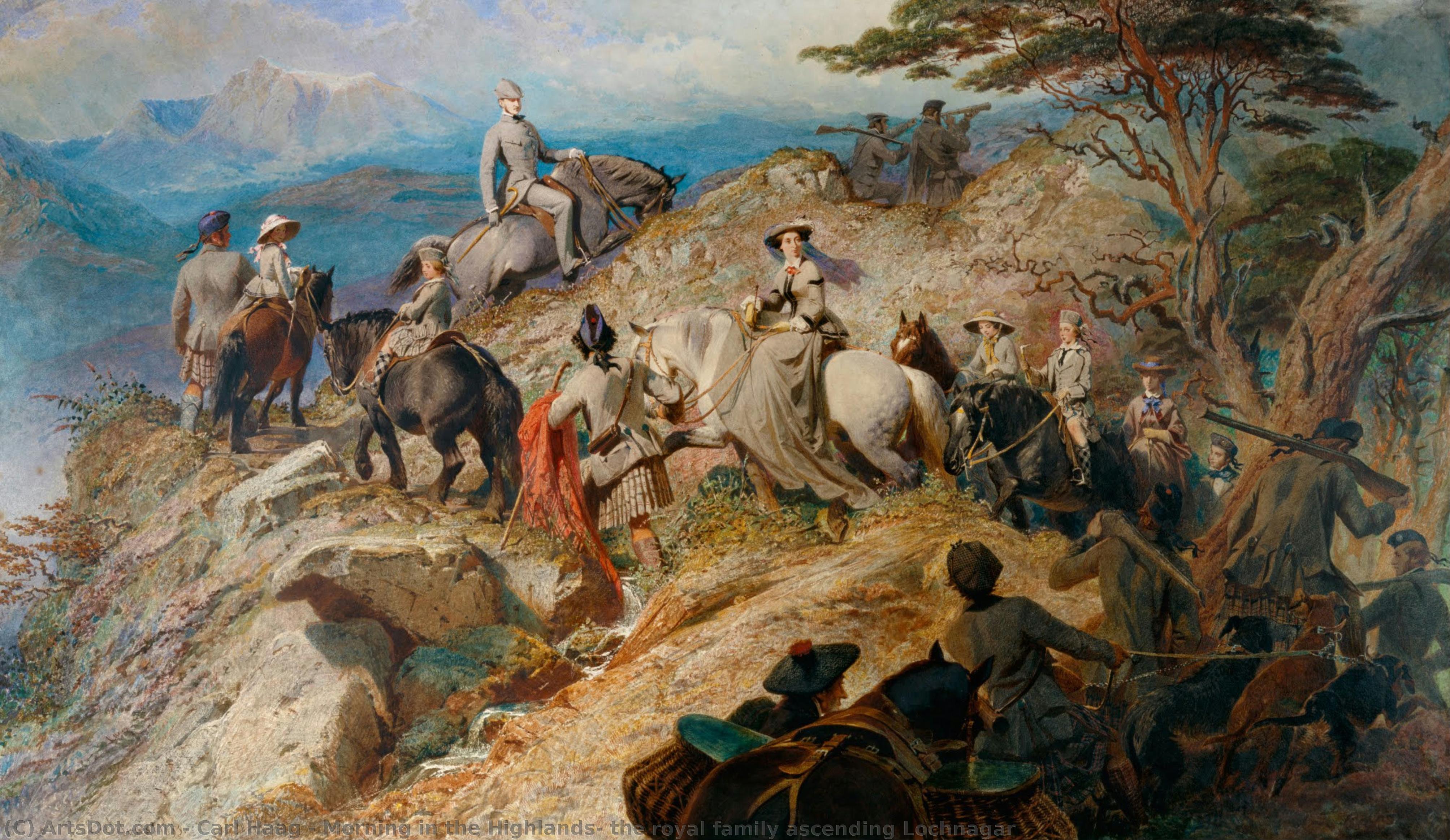
Morning in the Highlands: the royal family ascending Lochnagar
 Watercolor
- WallArt
- Orientalist Painting
 1853
1853- 19th Century
 33.0 x 77.0 cm
 Royal Collection
 Read More
Purchase a high-resolution, enhanced digital image, far superior to the online preview.
Each file is meticulously prepared by our in-house specialists using advanced tools and expert manual retouching. We ensure every image has exceptional clarity, precise color accuracy, and fine detail.
The final file is delivered via email within 72 hours, optimized for immediate use in professional, editorial, and print environments. This is the same quality trusted by top-tier design studios, publishers, and galleries.
Digital Image
Download a high-resolution file for personal display, printing, and creative projects. ( Buy Print Buy Hand Made Painting)
Included in Every Digital Image Order
Expert Digital Delivery, Guaranteed
When you choose ArtsDot.com, you're not just getting an image - you're receiving a professionally enhanced digital artwork, crafted with precision and backed by a satisfaction guarantee. Here's everything that comes with your order, automatically:

Fast Email Delivery
Your high-resolution digital image file will be emailed to you within 72 hours of ordering - ready for immediate use.

AI-Enhanced Digital File
Your artwork is professionally optimized using advanced AI tools and manual editing, ensuring maximum detail, clarity, and color accuracy.

Free Lifetime Re-Delivery
Accidentally deleted or lost your file? No worries - we'll resend it to you anytime, free of charge.

No Import Fees - Ever
Enjoy your artwork instantly with zero customs, duties, or delivery fees - digital downloads are always tax-free.

Color Accuracy Guarantee
We ensure your digital image reflects the original colors as closely as possible using professional tools and color management.

60-Day Satisfaction Guarantee
If you're not satisfied with your digital image, we'll revise it or refund 100% within 60 days - no questions asked.

100% Money-Back Guarantee
Not satisfied? Get a full refund within 60 days of receiving your digital file - no questions asked.

Bulk Order Discounts
Buy 3 images, save 10% - Buy 5, save 15% - Buy 10+, save 20%. Great for creative projects, galleries, and agencies.
A Royal Passage Through the Scottish Wilderness
This magnificent watercolor captures more than just a procession; it arrests a moment of stately passage through the rugged grandeur of the Scottish Highlands. Depicting Morning in the Highlands: the royal family ascending Lochnagar, Carl Haag transports the viewer directly into the vibrant atmosphere of the Balmoral estate in 1853. The scene is alive with movement—a snaking line of figures and horses traversing a dramatic landscape. One can almost hear the rhythmic clip-clop of hooves echoing off the distant peaks as the Queen and Prince lead their entourage upward. It speaks to an era where royal life, even in moments of apparent leisure, was steeped in formality and tradition.
Mastery of Watercolor and Composition
Haag’s technical skill is breathtakingly evident here. As a master watercolorist who successfully bridged academic training with the vibrant English aesthetic, he utilizes the medium to its fullest potential. The washes of color lend an ethereal quality to the misty mountains, contrasting beautifully with the rich textures of the clothing and the polished gleam of the horses' coats. Notice how Haag handles the depth; figures in the immediate foreground possess a crisp detail that draws the eye, while those receding into the background dissolve into atmospheric perspective, enhancing the vastness of the Highland setting. The composition is masterful, guiding the viewer’s gaze along the diagonal ascent, mirroring the upward trajectory of the royal party itself.
Historical Echoes and Social Portraiture
Beyond the picturesque landscape lies a fascinating glimpse into Victorian social structure. The gathering is a microcosm of high society interacting with nature. From the formal attire suggested by some riders to the presence of the governess, Miss Bulteel, every element speaks to the rigid yet adventurous life of the British aristocracy during the mid-nineteenth century. These paintings were not merely records; they were carefully curated statements about lineage, duty, and connection to the idealized wildness of the British Isles. Owning a reproduction allows one to connect with this rich tapestry of history.
Emotional Resonance for the Modern Collector
What lingers most powerfully in this work is its sense of enduring journey. It evokes feelings of adventure, nostalgia, and quiet majesty. For the collector or designer, this piece offers an unparalleled blend of historical narrative and sublime natural beauty. Imagine this scene gracing a drawing-room wall—it brings the drama of the mountains indoors, suggesting tales of grand expeditions and timeless connections to place. It is a work that whispers of empire, elegance, and the enduring spirit of the wild.
Related Artworks
Artist Biography
A Life Bridging Cultures: The Artistic Journey of Carl Haag
Born in Erlangen, Bavaria, in 1820, Carl Haag’s artistic path was one of fascinating transition and cultural immersion. Initially grounded in the academic traditions of Nuremberg and Munich, where he honed his skills in portraiture, architectural studies, and illustration, Haag possessed a meticulous attention to detail that would become a hallmark of his work. However, it was his relocation to England in 1847 that proved pivotal, setting him on a course toward watercolor mastery and ultimately, a celebrated career as an Orientalist painter. He embraced the English watercolor techniques with enthusiasm, quickly gaining recognition within British artistic circles. Elected an Associate of the Royal Society of Painters in Water Colours in 1850, and a full member just three years later, Haag demonstrated not only technical proficiency but also a keen understanding of the aesthetic sensibilities prevalent in Victorian England. This early period laid the foundation for his future explorations, providing him with the skills and platform to embark on journeys that would define his artistic identity.The Allure of the Orient: Travels and Artistic Transformation
Haag’s true artistic awakening occurred during his extensive travels to the Middle East between 1858 and 1860, and again in 1873-74. These voyages—spanning Egypt, Jerusalem, Lebanon, and Syria—were not merely geographical expeditions but profound encounters with a world vastly different from his European upbringing. In Cairo, he shared a studio with Frederick Goodall, fostering a collaborative spirit that enriched both artists’ perspectives. The landscapes, people, and cultural practices of the Middle East captivated Haag, inspiring him to specialize in Orientalist scenes characterized by remarkable accuracy and intricate detail. He wasn't simply recording what he saw; he was striving to capture the *essence* of these places—the light, the textures, the very soul of a culture. His depictions of iconic sites like Baalbek and Palmyra stand as testaments to his dedication to faithful representation, offering viewers a glimpse into a world often shrouded in mystery for Western audiences. These journeys transformed Haag from a skilled European painter into a celebrated interpreter of Eastern life.Royal Favor and Lasting Recognition
Haag’s talent did not go unnoticed by the British elite. He enjoyed the patronage of Queen Victoria, who commissioned several works from him, solidifying his position within the artistic establishment. This royal connection extended to his appointment as court painter to the Duke of Saxe-Coburg and Gotha, further enhancing his reputation and providing financial stability. Perhaps one of his most celebrated achievements during this period was “Morning in the Highlands: The Royal Family Ascending Lochnagar,” a depiction of Queen Victoria and her family enjoying a leisurely outing in Scotland. This painting exemplifies Haag’s ability to capture both the grandeur of the landscape and the intimacy of domestic life, earning him widespread acclaim. The Queen's appreciation for his work was not merely a matter of royal favor; it reflected a genuine recognition of his artistic skill and sensitivity.A Legacy in Watercolor and Cultural Understanding
Carl Haag retired to Germany in 1903, passing away in Oberwesel in 1915. He left behind a prolific body of work that continues to resonate with audiences today. His paintings are held in prestigious collections such as the Israel Museum and the Royal Collection, attesting to his enduring artistic significance. Haag’s legacy lies not only in his technical mastery of watercolor but also in his contribution to Orientalist painting and his ability to bridge cultural divides through art. He offered Victorian England a window into the Middle East, fostering a greater understanding—albeit often filtered through a Western lens—of its landscapes, people, and traditions.Exploring Haag’s World: Notable Works
- The Sphynx of Giza: A romantic watercolor that beautifully captures the majesty of Egypt's iconic monument.
- Wool Spinner: An evocative oil painting showcasing rural life with remarkable realism and atmospheric lighting.
- The New Arrival: A stunning Orientalist piece, rich in detail and capturing a moment of everyday life in the Middle East.
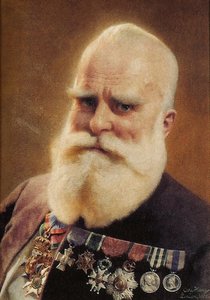
Carl Haag
1820 - 1915 , Germany
Quick Facts
- Artistic Movement Or Style: Orientalism, Watercolor
- Date Of Birth: 1820
- Date Of Death: 1915
- Full Name: Carl Haag
- Nationality: German-British
- Notable Artworks:
- The Sphynx of Giza
- Wool spinner
- The new arrival
- Morning in the Highlands
- Place Of Birth: Erlangen, Germany

