

 Preview
 Send
Send Share
Share
 Details

 Download
 Similars
 X-Ray
X-Ray Diaporama
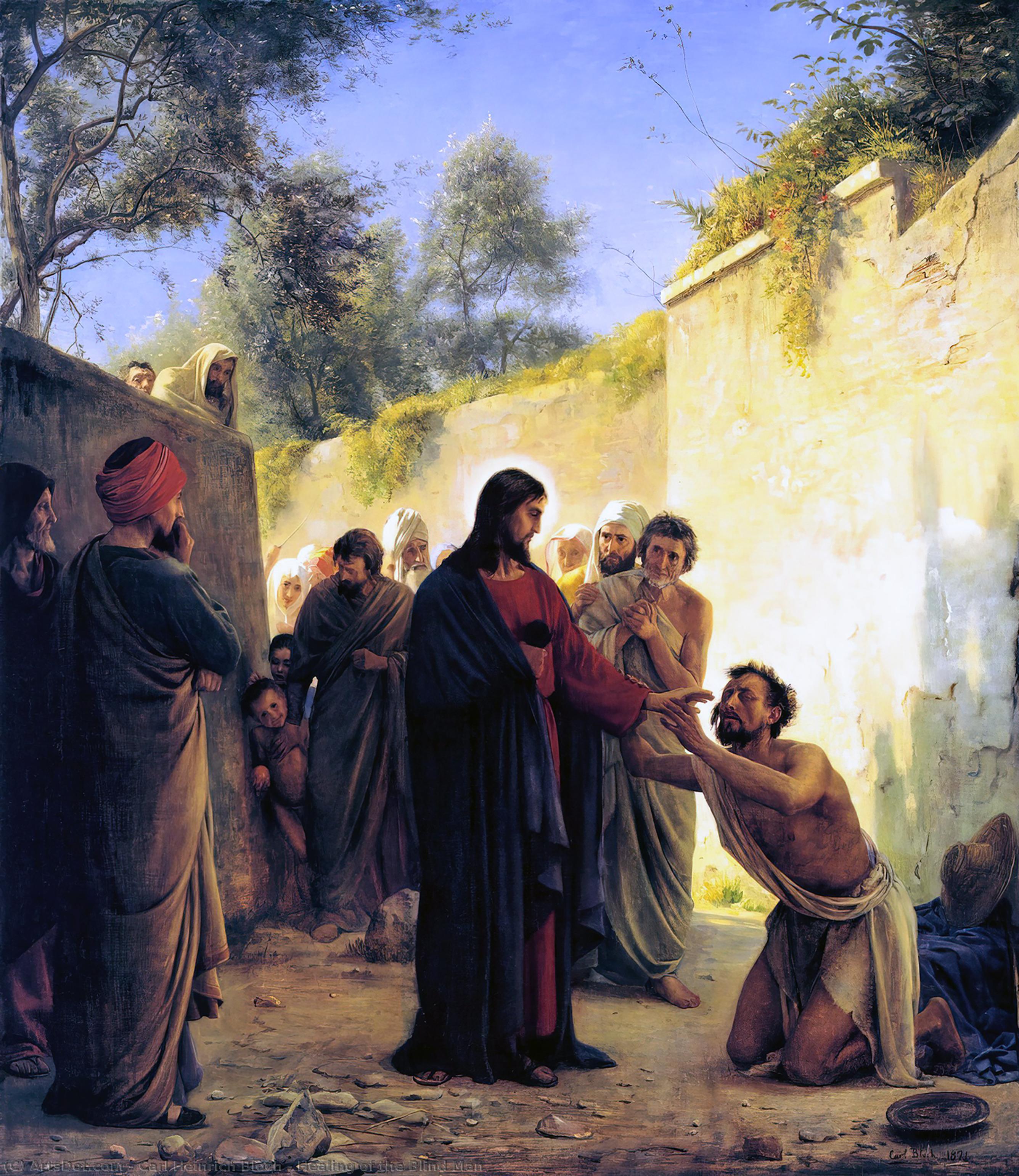
Healing of the Blind Man


 Read More
Purchase a high-resolution, enhanced digital image, far superior to the online preview.
Each file is meticulously prepared by our in-house specialists using advanced tools and expert manual retouching. We ensure every image has exceptional clarity, precise color accuracy, and fine detail.
The final file is delivered via email within 72 hours, optimized for immediate use in professional, editorial, and print environments. This is the same quality trusted by top-tier design studios, publishers, and galleries.
Digital Image
Download a high-resolution file for personal display, printing, and creative projects. ( Buy Print Buy Hand Made Painting)
Included in Every Digital Image Order
Expert Digital Delivery, Guaranteed
When you choose ArtsDot.com, you're not just getting an image - you're receiving a professionally enhanced digital artwork, crafted with precision and backed by a satisfaction guarantee. Here's everything that comes with your order, automatically:

Fast Email Delivery
Your high-resolution digital image file will be emailed to you within 72 hours of ordering - ready for immediate use.

AI-Enhanced Digital File
Your artwork is professionally optimized using advanced AI tools and manual editing, ensuring maximum detail, clarity, and color accuracy.

Free Lifetime Re-Delivery
Accidentally deleted or lost your file? No worries - we'll resend it to you anytime, free of charge.

No Import Fees - Ever
Enjoy your artwork instantly with zero customs, duties, or delivery fees - digital downloads are always tax-free.

Color Accuracy Guarantee
We ensure your digital image reflects the original colors as closely as possible using professional tools and color management.

60-Day Satisfaction Guarantee
If you're not satisfied with your digital image, we'll revise it or refund 100% within 60 days - no questions asked.

100% Money-Back Guarantee
Not satisfied? Get a full refund within 60 days of receiving your digital file - no questions asked.

Bulk Order Discounts
Buy 3 images, save 10% - Buy 5, save 15% - Buy 10+, save 20%. Great for creative projects, galleries, and agencies.
Collectible Description
A Divine Encounter Captured in Light and Grace
In the quiet, luminous depths of Carl Heinrich Bloch’s 1871 masterpiece, "Healing of the Blind Man," viewers are invited into a moment of profound spiritual intimacy. This oil on canvas work stands as a breathtaking testament to the power of faith and the transformative nature of compassion. At its very heart, the painting captures the tender, pivotal interaction between Jesus and a man lost in darkness. The artist directs our gaze toward the gentle touch of their hands—a focal point that serves as the bridge between the earthly and the divine. Through Bloch’s masterful use of light, this contact becomes more than a physical gesture; it is a symbol of the miraculous restoration of sight and the awakening of the soul.
The composition is orchestrated with a delicate balance of intimacy and community. While the central figures command our immediate devotion, Bloch surrounds them with a tapestry of onlookers that lends a sense of depth and shared humanity to the scene. Some figures press forward, their faces etched with awe and anticipation, while others linger in the soft-focus periphery, creating a layered narrative of witness and wonder. Even the natural world participates in this sacred event; the subtle presence of two birds—one drifting near the upper left and another resting toward the bottom right—infuses the composition with a sense of peace and the quiet tranquility of creation itself.
Mastery of Danish Realism and Emotional Depth
Carl Heinrich Bloch, a titan of the Danish Golden Age, brings his rigorous academic training from the Royal Danish Academy of Art to bear in this evocative work. His technique is characterized by a sophisticated realism that avoids mere imitation, opting instead to elevate the subject through emotive brushwork and a masterful command of chiaroscuro. The way light falls across the skin of the figures and the textures of their garments creates a palpable sense of presence, making the biblical narrative feel immediate and alive. This level of detail is precisely what makes a high-quality reproduction of this piece so captivating for collectors; the subtle gradations of shadow and the warmth of the palette are preserved to evoke the same reverence as the original.
For the discerning interior designer or art enthusiast, "Healing of the Blind Man" offers more than just aesthetic beauty; it provides a profound emotional anchor for any space. The painting’s atmosphere of hope, redemption, and serenity makes it an ideal centerpiece for rooms designed for reflection, such as a study, a private library, or a contemplative living area. It is a work that does not merely decorate a wall but enriches the very spirit of a home, offering a timeless window into a moment of pure, unadulterated grace.
Related Artworks



Artist Biography
A Life Dedicated to Art and Faith
Carl Heinrich Bloch, born in Copenhagen on May 23rd, 1834, was a Danish painter whose name became synonymous with profoundly moving depictions of biblical narratives and the quiet dignity of everyday life. His journey as an artist wasn’t initially embraced by his parents, who envisioned a more conventional path for their son—a career at sea. However, Bloch's unwavering passion for art proved irresistible, leading him to enroll at the Royal Danish Academy of Art in 1855 under the tutelage of Wilhelm Marstrand. This formal training laid the crucial foundation for his artistic development, honing his skills and shaping his aesthetic sensibilities. Early works revealed a keen observational eye, focusing on rural scenes and capturing the essence of ordinary existence with remarkable sensitivity.The Italian Awakening and Artistic Maturation
A pivotal moment in Bloch’s artistic evolution arrived with his extended sojourn in Italy from 1859 to 1866. This period proved transformative, exposing him to a wealth of artistic heritage and profoundly influencing his style. It was during these years that he encountered the works of Rembrandt van Rijn, an encounter that would indelibly mark his approach to painting. The Dutch master’s masterful use of light and shadow—the dramatic interplay between illumination and darkness—resonated deeply with Bloch, becoming a defining characteristic of his own work. He absorbed not only technical aspects but also the emotional depth and psychological insight Rembrandt brought to his canvases. In Rome, he found personal happiness as well, marrying Alma Trepka in 1868; their marriage was a source of joy until her untimely death in 1886, an event that cast a long shadow over his later years.Triumph at Frederiksborg and Lasting Legacy
Bloch’s ascent to prominence began with the exhibition of Prometheus Unbound in Copenhagen in 1865, signaling a turning point in his career. He quickly established himself as a leading artist, succeeding Marstrand in completing the decoration of the ceremonial hall at the University of Copenhagen. However, it was his commission to create twenty-three paintings for the King's Chapel at Frederiksborg Palace (spanning from 1865 to 1879) that cemented his legacy. These scenes from the life of Christ—rendered with breathtaking detail and emotional intensity—became immensely popular and are widely considered among his finest achievements. The power of these images extended beyond Denmark’s borders; Bloch subsequently created altarpieces based on the Frederiksborg paintings, which found homes in churches across Denmark and Sweden.Style, Influences, and Enduring Impact
Bloch's artistic style was a compelling blend of realism and romanticism. He possessed an exceptional ability to depict biblical narratives with both historical accuracy and profound emotional resonance. The influence of Rembrandt is undeniable in his masterful manipulation of light and shadow, creating dramatic effects that heighten the sense of spirituality and human drama. He also belonged to the “Eckersberg-Tradition” within Danish art, a school known for its commitment to realism and national themes. Beyond his technical skill, Bloch’s work resonated with audiences because of its genuine empathy and spiritual depth. His paintings weren't merely illustrations; they were invitations to contemplate faith, suffering, and redemption. His impact extends far beyond the realm of fine art. The Church of Jesus Christ of Latter-day Saints has extensively utilized Bloch’s Frederiksborg Palace paintings in its church buildings and printed materials, recognizing their power to convey scriptural stories with clarity and emotional force. They have even served as visual references for films depicting biblical accounts. H.C. Andersen, the celebrated Danish author, recognized Bloch's exceptional talent, predicting that he would "become noble here on earth" and ascend toward “the great heaven of art.” Karl Madsen similarly declared him among the "noblest of them all!" Carl Heinrich Bloch passed away in Copenhagen on February 22nd, 1890, leaving behind a body of work that continues to inspire awe and reverence. His paintings remain testaments to his artistic genius and enduring faith—a legacy that ensures his place as one of the most beloved religious artists of the 19th century.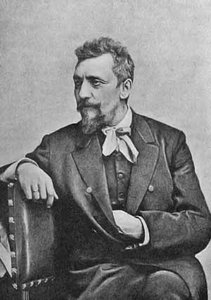
Carl Heinrich Bloch
1834 - 1890 , Denmark
Quick Facts
- Artistic Movement Or Style: Realism & Romanticism
- Artists Or Movements Influenced By This Artist:
- LDS art
- Religious imagery
- Artists Who Influenced This Artist: ['Rembrandt']
- Date Of Birth: May 23, 1834
- Date Of Death: February 22, 1890
- Full Name: Carl Heinrich Bloch
- Nationality: Danish
- Notable Artworks:
- Prometheus Unbound
- Christ in Gethsemane
- Christian II in Prison
- Place Of Birth: Copenhagen, Denmark

