 Preview
 Send
Send Share
Share
 Details

 Download
 Similars
 X-Ray
X-Ray Diaporama
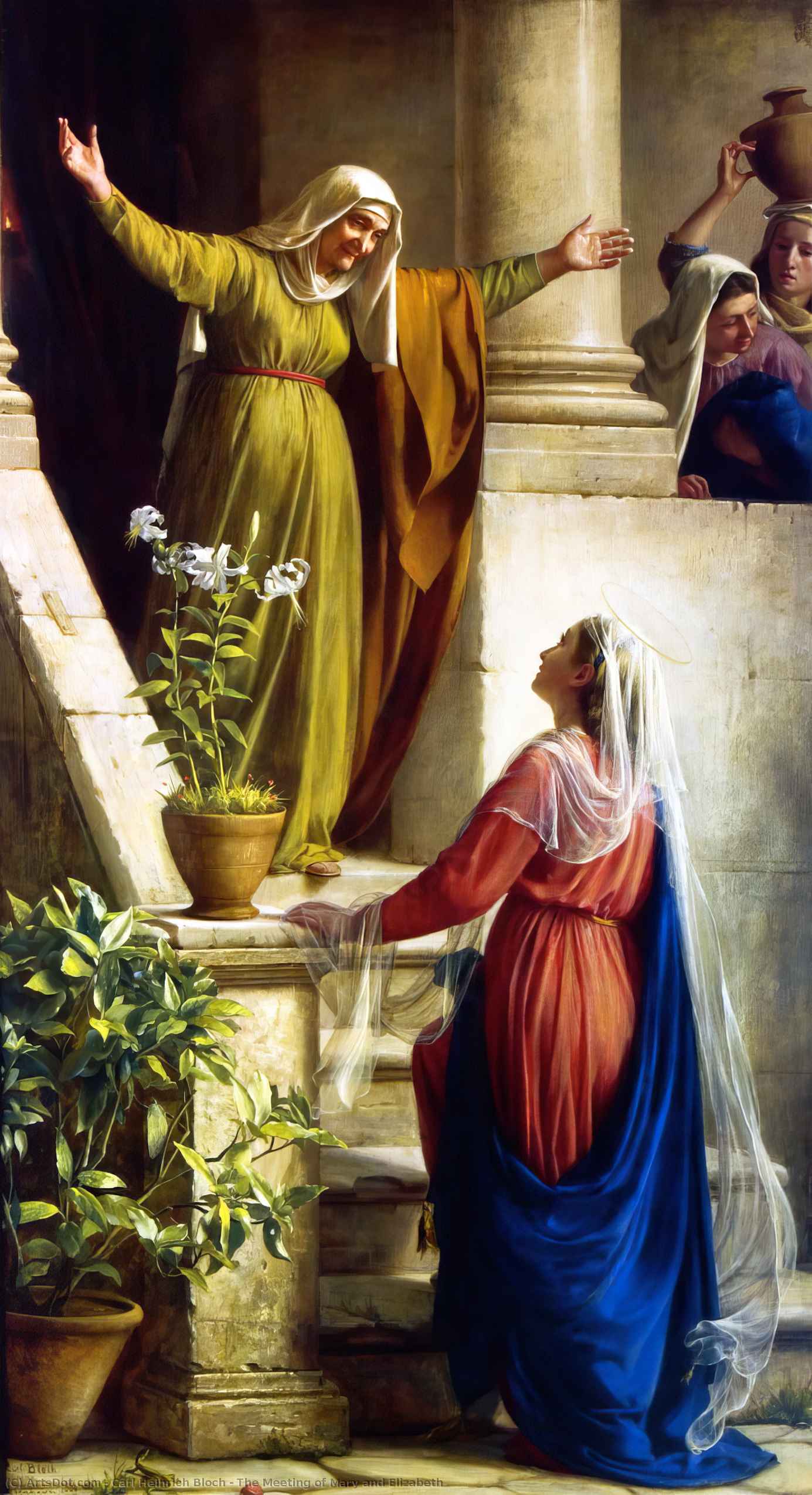
The Meeting of Mary and Elizabeth


 Read More
Hand Made Oil Reproduction
Hand-painted oil on canvas in your size and frame, made to order by our artists. ( Buy Print Buy Image)




P118B $10

P118H $10

P118W $10

P438Z $10

P508JH $12

P508YH $12

P805H $10

P805Z $10

P919BZ $10

P919G $10

P919XJ $10

P959ZH $10

P968JZ $12

W106C $8

W218G $10

W218JH $8

W218Y $10

W307PJ $10

W316G $10

W316PJ $8

W316Y $10

W398PJ $8

W4111J $10

W500HY $15

W500JH $15

W692G $12

W849H $8

W940BG $15

W953PJ $8




Pick from our preset sizes that match the artwork's original proportions.

You may enter your own dimensions to fit a specific frame or space. If your selected size does not match the original image's proportions, we will either crop the artwork or extend the painting with additional hand-painted elements. A digital mockup will be sent for your approval before production begins.
Please note that the on-screen preview does not reflect the actual cropping or extension. Only the mockup will accurately show the final composition.
While custom sizes are available, we recommend selecting a dimension from the predefined list to preserve the original proportions.
After order, ArtsDot.com team will email client for instructions and provide a mockup preview
Worldwide Delivery () in 3/4 weeks instead of standard 5 weeks. (2 September). No compromise on quality.

Free Worldwide Express Shipping

High-Quality Linen Canvas

Full Shipping Insurance

Customs Tax Refund Guarantee

True Color Matching Guarantee

60-Day Return Policy (Defects Only)

100% Money-Back Guarantee

Bulk Discount Offer
 Glass option is only available in size under 110 CM

The Meeting of Mary and Elizabeth
Reproduction Medium
Reproduction Size
-


Total Price
$ 263
A Divine Encounter Captured in Color
In the quiet, luminous atmosphere of Carl Heinrich Bloch’s 1866 masterpiece, "The Meeting of Mary and Elizabeth," we are invited into a moment of profound spiritual significance. This painting captures the biblical Visitation, the sacred instant when Mary, carrying the unborn Jesus, encounters her cousin Elizabeth, who is pregnant with John the Baptist. The scene is far more than a mere historical reenactment; it is an intimate study of connection, reverence, and the shared joy of two women united by a divine promise. Bloch, a master of Danish realism, utilizes a composition that draws the eye inward, centering our attention on the tender embrace of these two figures whose lives are about to change the course of human history.
The artistry of the piece lies in its remarkable ability to balance grand theological themes with deeply human emotions. As the two women lean toward one another, their heads bowed in a gesture of mutual respect and recognition, the viewer feels the weight of the miraculous event unfolding. The soft, diffused light that bathes the scene creates a serene, almost ethereal quality, smoothing the edges of the classical architecture and casting a warm glow upon the vibrant fabrics of their robes. This careful manipulation of light and shadow—a hallmark of Bloch’s technical prowess—not only provides depth to the interior setting but also serves to highlight the spiritual radiance emanating from the central figures.
Masterful Technique and Visual Harmony
Bloch’s technical execution in this work is nothing short of extraordinary, making it a captivating subject for collectors of classical fine art. The artist employs a rich, warm color palette that breathes life into the composition. The striking contrast between Mary’s vibrant yellow robe and Elizabeth’s deep blue attire creates a visual rhythm that guides the viewer through the narrative. These bold primary colors are balanced by the more muted, earthy tones of the background architecture and the observant figures in the periphery, ensuring that the central interaction remains the undisputed focal point.
Beyond the central duo, the painting is rich with supporting details that enhance its realism and historical texture. The presence of onlookers in various colored robes—greens, blues, and reds—adds a layer of social complexity to the scene, suggesting that this private moment of grace is being witnessed by a community. Even the subtle inclusion of a potted plant in the foreground serves a dual purpose: it anchors the composition with a touch of natural beauty and symbolizes the burgeoning life and fertility central to the narrative. For an interior designer, such a piece offers a sophisticated anchor for a room, providing both a conversation starter and a sense of timeless elegance.
An Enduring Legacy for the Discerning Collector
To possess a reproduction of "The Meeting of Mary and Elizabeth" is to bring a piece of 19th-century devotional history into a modern space. Carl Heinrich Bloch’s work has long been revered for its emotional depth and historical accuracy, earning him a place among the most celebrated religious painters of his era. His ability to render the human form with such dignity and grace ensures that the painting remains as impactful today as it was when it first graced the halls of the Royal Danish Academy.
Whether displayed in a private study, a grand living area, or a curated gallery space, this artwork offers an unparalleled sense of tranquility and contemplation. It serves as a reminder of the beauty found in moments of connection and the enduring power of faith. For those seeking to invest in art that transcends mere decoration, Bloch’s masterpiece provides a profound emotional resonance and a sophisticated aesthetic that complements both classical and contemporary interiors with effortless grace.
Related Artworks




Artist Biography
A Life Dedicated to Art and Faith
Carl Heinrich Bloch, born in Copenhagen on May 23rd, 1834, was a Danish painter whose name became synonymous with profoundly moving depictions of biblical narratives and the quiet dignity of everyday life. His journey as an artist wasn’t initially embraced by his parents, who envisioned a more conventional path for their son—a career at sea. However, Bloch's unwavering passion for art proved irresistible, leading him to enroll at the Royal Danish Academy of Art in 1855 under the tutelage of Wilhelm Marstrand. This formal training laid the crucial foundation for his artistic development, honing his skills and shaping his aesthetic sensibilities. Early works revealed a keen observational eye, focusing on rural scenes and capturing the essence of ordinary existence with remarkable sensitivity.The Italian Awakening and Artistic Maturation
A pivotal moment in Bloch’s artistic evolution arrived with his extended sojourn in Italy from 1859 to 1866. This period proved transformative, exposing him to a wealth of artistic heritage and profoundly influencing his style. It was during these years that he encountered the works of Rembrandt van Rijn, an encounter that would indelibly mark his approach to painting. The Dutch master’s masterful use of light and shadow—the dramatic interplay between illumination and darkness—resonated deeply with Bloch, becoming a defining characteristic of his own work. He absorbed not only technical aspects but also the emotional depth and psychological insight Rembrandt brought to his canvases. In Rome, he found personal happiness as well, marrying Alma Trepka in 1868; their marriage was a source of joy until her untimely death in 1886, an event that cast a long shadow over his later years.Triumph at Frederiksborg and Lasting Legacy
Bloch’s ascent to prominence began with the exhibition of Prometheus Unbound in Copenhagen in 1865, signaling a turning point in his career. He quickly established himself as a leading artist, succeeding Marstrand in completing the decoration of the ceremonial hall at the University of Copenhagen. However, it was his commission to create twenty-three paintings for the King's Chapel at Frederiksborg Palace (spanning from 1865 to 1879) that cemented his legacy. These scenes from the life of Christ—rendered with breathtaking detail and emotional intensity—became immensely popular and are widely considered among his finest achievements. The power of these images extended beyond Denmark’s borders; Bloch subsequently created altarpieces based on the Frederiksborg paintings, which found homes in churches across Denmark and Sweden.Style, Influences, and Enduring Impact
Bloch's artistic style was a compelling blend of realism and romanticism. He possessed an exceptional ability to depict biblical narratives with both historical accuracy and profound emotional resonance. The influence of Rembrandt is undeniable in his masterful manipulation of light and shadow, creating dramatic effects that heighten the sense of spirituality and human drama. He also belonged to the “Eckersberg-Tradition” within Danish art, a school known for its commitment to realism and national themes. Beyond his technical skill, Bloch’s work resonated with audiences because of its genuine empathy and spiritual depth. His paintings weren't merely illustrations; they were invitations to contemplate faith, suffering, and redemption. His impact extends far beyond the realm of fine art. The Church of Jesus Christ of Latter-day Saints has extensively utilized Bloch’s Frederiksborg Palace paintings in its church buildings and printed materials, recognizing their power to convey scriptural stories with clarity and emotional force. They have even served as visual references for films depicting biblical accounts. H.C. Andersen, the celebrated Danish author, recognized Bloch's exceptional talent, predicting that he would "become noble here on earth" and ascend toward “the great heaven of art.” Karl Madsen similarly declared him among the "noblest of them all!" Carl Heinrich Bloch passed away in Copenhagen on February 22nd, 1890, leaving behind a body of work that continues to inspire awe and reverence. His paintings remain testaments to his artistic genius and enduring faith—a legacy that ensures his place as one of the most beloved religious artists of the 19th century.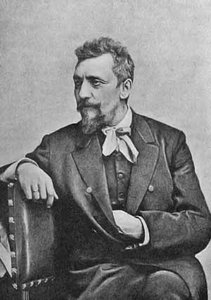
Carl Heinrich Bloch
1834 - 1890 , Denmark
Quick Facts
- Artistic Movement Or Style: Realism & Romanticism
- Artists Or Movements Influenced By This Artist:
- LDS art
- Religious imagery
- Artists Who Influenced This Artist: ['Rembrandt']
- Date Of Birth: May 23, 1834
- Date Of Death: February 22, 1890
- Full Name: Carl Heinrich Bloch
- Nationality: Danish
- Notable Artworks:
- Prometheus Unbound
- Christ in Gethsemane
- Christian II in Prison
- Place Of Birth: Copenhagen, Denmark
Related Articles

Slate Blue Masterpieces: 10 Iconic Paintings & Timeless Home Decor Ideas
Immerse yourself in the captivating world of slate blue! Explore 10 iconic paintings by Monet, Van Gogh & Renoir. Discover their stories, techniques & find museum-quality art reproductions for your home at .
The Allure of Azure: Exploring the Symbolic & Aesthetic Depths of Blue in Art History
Explore the rich history of blue in art! Discover its symbolism, from ancient pigments to modern masterpieces by Kandinsky & Seurat. Uncover the psychological impact and cultural meanings behind this captivating hue.
Golden Hues: 10 Masterpieces Dominated by Chrome Yellow | ArtsDot
Immerse yourself in golden light! Explore 10 famous paintings dominated by 'Chrome Yellow', from Van Gogh’s Sunflowers to Monet's Haystacks. Discover the stories behind these iconic Impressionist & Post-Impressionist masterpieces and find museum-quality art reproductions at ArtsDot.com.

Romantic Realism's Finest: 10 Masterpieces for Your Home | ArtsDot
Explore 10 defining masterpieces of Romantic Realism! Discover Courbet, Millet & Daumier's powerful paintings—capturing emotion and social realities. Find museum-quality reproductions for your home at ArtsDot.com.
Golden Hues: Top 10 Paintings Dominated by Yellow Ochre |
Explore 10 iconic paintings bathed in golden yellow ochre! From Van Gogh's sunflowers to Monet’s haystacks, discover the stories behind these masterpieces. Find museum-quality art reproductions & elevate your home decor on .