 Preview
 Send
Send Share
Share
 Details

 Download
 Similars
 X-Ray
X-Ray Diaporama
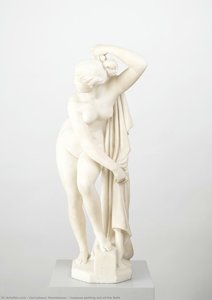
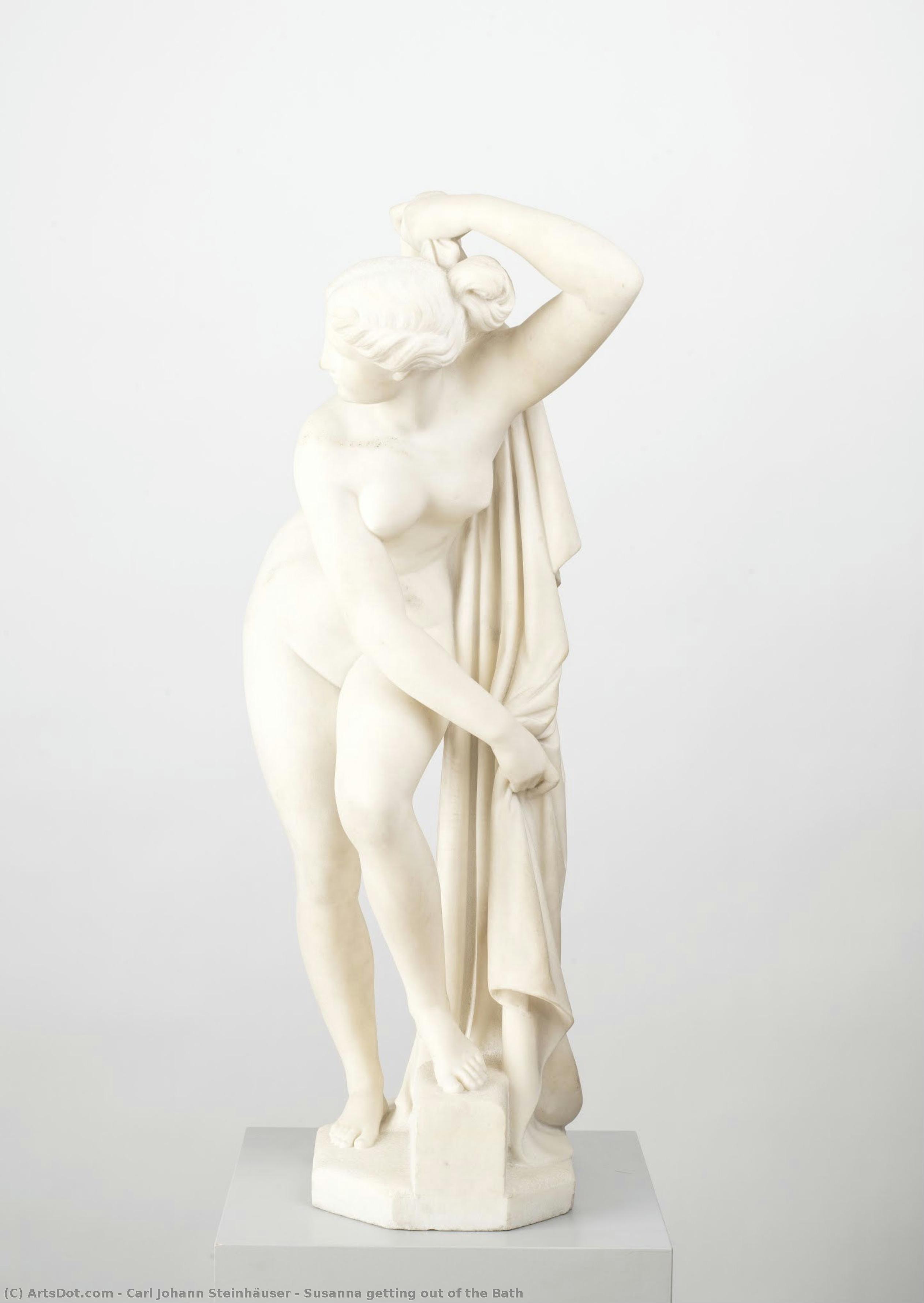
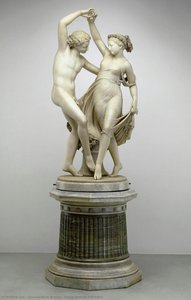
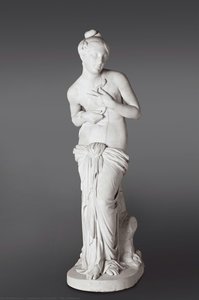
Susanna getting out of the Bath
 7.0 x 32.0 cm
 Staatliche Kunsthalle Karlsruhe
 Read More
Giclée / Art Print
Museum-quality giclée or canvas print with fast production and flexible finish options. ( Buy Hand Made Painting Buy Image)




































Pick from our preset sizes that match the artwork's original proportions.

You may enter your own dimensions to fit a specific frame or space. If your selected size does not match the original image's proportions, we will either crop the artwork or extend the image with a mirrored or solid-fill edge. A digital mockup will be sent for your approval before production begins.
Please note that the on-screen preview does not reflect the actual cropping or extension. Only the mockup will accurately show the final composition.
While custom sizes are available, we recommend selecting a dimension from the predefined list to preserve the original proportions.
Worldwide Delivery () in 2 weeks instead of standard 4/5 weeks. (25 August)

Free Worldwide Express Shipping

High-Quality Linen Canvas

Full Shipping Insurance

Customs Tax Refund Guarantee

True Color Matching Guarantee

60-Day Return Policy (Defects Only)

100% Money-Back Guarantee

Bulk Discount Offer
 Glass option is only available in size under 110 CM

Susanna getting out of the Bath
Giclée / Art Print
Reproduction Size
-


Total Price
$ 63
Related Artworks
Artist Biography
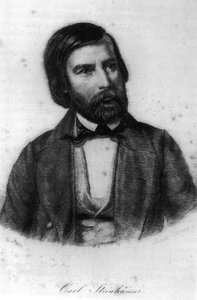
The Sculptor of Classical Grace: The Life and Legacy of Carl Johann Steinhauser
In the grand tapestry of nineteenth-century German art, few threads possess the refined elegance and classical poise found in the work of Carl Johann Steinhauser. Born in the historic maritime city of Bremen in 1813, Steinhauser was destined for a life shaped by the tactile beauty of form and substance. As the eldest son of a wood carver and sculptor, his earliest memories were likely steeped in the scent of shaved timber and the rhythmic precision of the chisel. This ancestral connection to craftsmanship provided more than just a technical foundation; it instilled in him a profound reverence for the physical medium that would define his lifelong pursuit of capturing the eternal within the ephemeral.
Steinhauser’s journey from a provincial apprentice to an internationally recognized master was paved by rigorous academic discipline. His early training under Stephen Messerer at the Bremen School of Drawing allowed him to grasp the essential nuances of line and composition, but it was his subsequent move to Berlin that truly ignited his artistic spirit. Under the watchful eye of Christian Rauch at the Berliner Akademie der Künste, Steinhauser began to absorb the tenets of Neoclassicism. This period of study refined his understanding of anatomical accuracy and the dignified restraint required to breathe life into stone, preparing him for the most transformative chapter of his career.
A Roman Odyssey and the Influence of Thorvaldsen
Between 1835 and 1863, Steinhauser embarked on a long and luminous sojourn in Rome, an era that would forever alter the trajectory of his sculptural language. Immersed in the heart of the classical world, he found himself under the mentorship of the legendary Bertel Thorvaldsen. To study with Thorvaldsen was to commune directly with the spirit of antiquity; it was here that Steinhauser’s work moved beyond mere imitation toward a sophisticated synthesis of Greek idealism and Romantic sensibility. The Roman atmosphere, thick with the weight of history and the beauty of ancient ruins, encouraged him to pursue a style characterized by grace, dignity, and an almost ethereal lightness of form.
This period of Roman residency was not merely one of study, but of profound professional expansion. Steinhauser became a celebrated figure within European artistic circles, successfully navigating the delicate balance between the rigid structures of classical tradition and the burgeoning emotional depth of the Romantic movement. His ability to imbue mythological and biblical subjects with a palpable sense of human emotion allowed his work to resonate far beyond the borders of Germany, reaching even the art-loving public of Philadelphia through the dedicated efforts of his contemporary, Clamor Friedrich Hagedorn.
Masterworks and Academic Eminence
The later years of Steinhauser’s life were marked by a return to German soil, where he transitioned from a wandering student to a distinguished professor at the Karlsruhe Universität Kunstschule. His academic career allowed him to shape the next generation of sculptors, ensuring that the classical principles he mastered in Rome would endure. His legacy is etched into the very landscape of Germany through several monumental achievements:
- The Bremen Memorials: His poignant tributes to Heinrich Wilhelm Matthäus Olbers and Johann Smidt stand as enduring testaments to his ability to honor civic greatness through sculptural permanence.
- Goethe mit der Psyche: Located in Weimar, this evocative work captures the intersection of literary legend and classical myth, showcasing his mastery of psychological depth.
- The Angel of the Resurrection: A breathtaking commission for St. Stephen's Episcopal Church in Philadelphia, which demonstrates his ability to translate profound religious sentiment into dramatic, sculptural movement.
- Orestes and Pylades: A marble masterpiece located in the Palace Park in Karlsruhe, reflecting the enduring strength of his classical training.
When Carl Johann Steinhauser passed away in 1879, he left behind a body of work that serves as a bridge between eras. He was an artist who could look backward to the perfection of the ancients while looking forward to the expressive possibilities of the modern age. His sculptures remain more than mere decorations of stone; they are frozen moments of grace, reminding us of a time when art sought to capture the very essence of the human soul through the timeless language of form.
carl johann steinhäuser
1813 - 1879 , Germany
Quick Facts
- Artistic Movement Or Style: Classical Sculpture
- Artists Or Movements Influenced By This Artist: ['Romantic German Art']
- Artists Who Influenced This Artist: ['Bertel Thorvaldsen']
- Date Of Birth: July 3, 1813
- Date Of Death: December 9, 1879
- Full Name: Carl Johann Steinhäuser
- Nationality: German
- Notable Artworks:
- Angel of the Resurrection
- Orestes and Pylades
- Goethe mit der Psyche
- Place Of Birth: Bremen, Germany