 Preview
 Send
Send Share
Share
 Details

 Download
 Similars
 X-Ray
X-Ray Diaporama
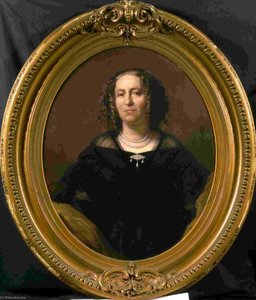
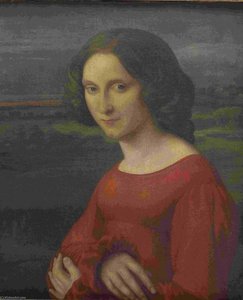
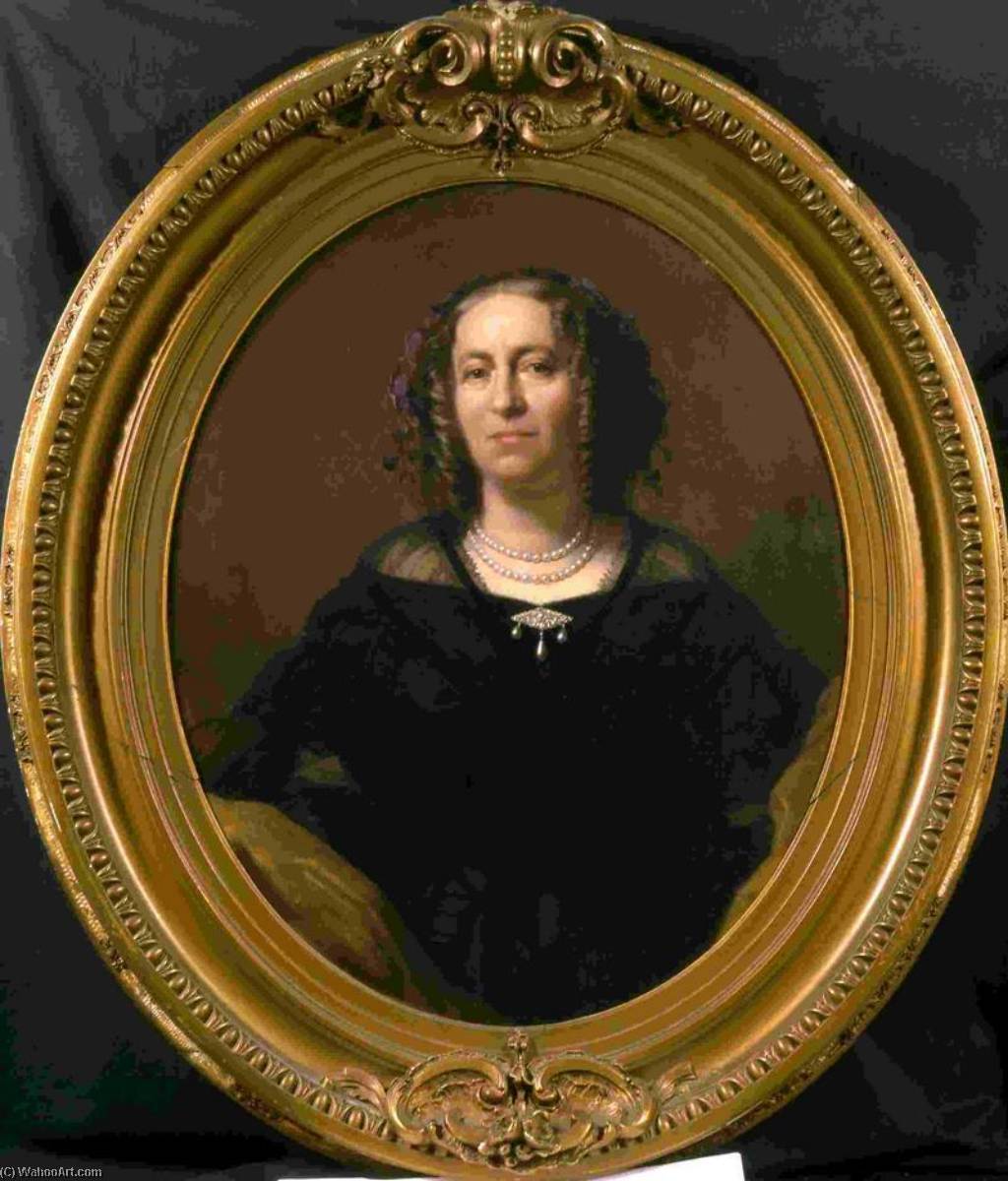
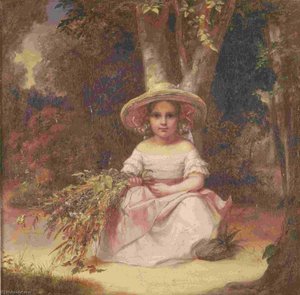
Henriette Beerend
 Read More
Hand Made Oil Reproduction
Hand-painted oil on canvas in your size and frame, made to order by our artists. ( Buy Print Buy Image)




































Pick from our preset sizes that match the artwork's original proportions.

You may enter your own dimensions to fit a specific frame or space. If your selected size does not match the original image's proportions, we will either crop the artwork or extend the painting with additional hand-painted elements. A digital mockup will be sent for your approval before production begins.
Please note that the on-screen preview does not reflect the actual cropping or extension. Only the mockup will accurately show the final composition.
While custom sizes are available, we recommend selecting a dimension from the predefined list to preserve the original proportions.
After order, ArtsDot.com team will email client for instructions and provide a mockup preview
Worldwide Delivery () in 3/4 weeks instead of standard 5 weeks. (27 August). No compromise on quality.

Free Worldwide Express Shipping

High-Quality Linen Canvas

Full Shipping Insurance

Customs Tax Refund Guarantee

True Color Matching Guarantee

60-Day Return Policy (Defects Only)

100% Money-Back Guarantee

Bulk Discount Offer
 Glass option is only available in size under 110 CM

Henriette Beerend
Reproduction Medium
Reproduction Size
-


Total Price
$ 263
Related Artworks









Artist Biography
The Painter of Transitions: The Life and Legacy of Carl Joseph Begas
In the grand tapestry of nineteenth-century European art, few figures embody the delicate shift from the emotional fervor of Romanticism to the grounded clarity of Realism as gracefully as Carl Joseph Begas. Born on September 30, 1794, in Heinsberg near Aachen, Begas was a man whose destiny was written in the fluid strokes of his early sketches rather than the legal texts his father, a retired judge, had envisioned for him. While his upbringing suggested a life of jurisprudence, the young artist’s innate ability to capture visual beauty and profound emotion could not be suppressed. This early tension between duty and passion would eventually manifest in a body of work that balanced the dramatic intensity of the Romantic era with an emerging commitment to truthful representation.
The trajectory of Begas’s career was irrevocately altered in 1812 when he traveled to Paris. For eighteen months, he immersed himself in the vibrant, turbulent atmosphere of the French art scene, studying under the legendary Antoine Jean Gros. As a student of one of the most prominent figures of the Romantic movement, Begas absorbed the mastery of dramatic composition and the expressive use of light that would become hallmarks of his style. This period of intense apprenticeship provided him with more than just technical skill; it instilled in him a profound understanding of how to utilize narrative tension to engage the viewer’s soul, a quality that would later define his most celebrated religious and historical works.
Royal Patronage and the Sacred Narrative
The ascent of Begas within the Prussian artistic hierarchy was nothing short of meteoric. In 1814, a single work—a striking depiction of Mary Magdalene seated—captured the imagination of King Frederick William III of Prussia. The painting, lauded for its masterful interplay of shadow and light, led to immediate royal patronage, a distinction that would provide Begas with the stability and resources to pursue his most ambitious visions. This connection to the Prussian court allowed him to become a central figure in the cultural life of Berlin and Potsdam, serving as a Court Painter whose influence reached far beyond the palace walls.
Following a transformative journey through Italy, Begas returned to Germany with a renewed spiritual vigor. His subsequent commissions were often destined for the great churches of the Prussian landscape, where he specialized in biblical scenes imbued with deep spiritual contemplation. These works were not merely illustrations of scripture but were profound meditations on faith, rendered with a technical prowess that made the divine feel tangibly present. Through these sacred narratives, Begas bridged the gap between the ethereal ideals of his Romantic training and a more palpable, humanistic approach to religious subject matter.
A Dynasty of Artistry and Historical Significance
Beyond his individual canvases, Carl Joseph Begas’s significance lies in his role as the progenitor of an artistic dynasty. He was the first in a multi-generational lineage of creators, passing his dedication to craft down to his children, including the renowned sculptor Reinhold Begas and the painter Adalbert Begas. His studio also served as a vital crucible for emerging talent; by mentoring pupils such as Joseph Petzl and influencing artists like Carl Steffeck, he ensured that his aesthetic sensibilities and technical rigor would permeate the next generation of German art.
As the nineteenth century progressed, the art world moved away from the idealized drama of the early century toward a more observational, realistic style. Begas stood at the crossroads of this evolution. His ability to maintain the emotional depth of Romanticism while embracing the structural clarity required for Realism allowed him to remain relevant in a changing cultural landscape. When he passed away on November 24, 1854, he left behind a legacy defined by:
- Technical Mastery: An unparalleled ability to manipulate light and shadow to create dramatic, emotive atmospheres.
- Cultural Impact: The establishment of a prestigious artistic lineage that shaped Prussian sculpture and painting for decades.
- Genre Versatility: A seamless movement between intimate portraiture of the intellectual elite and monumental historical and biblical compositions.
- Historical Bridge: Serving as a pivotal link in the stylistic transition from the Romantic era to the dawn of Realism.
carl joseph begas
1794 - 1854
Quick Facts
- Artistic Movement Or Style: Nazarene Movement
- Artists Or Movements Influenced By This Artist: ['Romanticism']
- Artists Who Influenced This Artist: ['Antoine Jean Gros']
- Date Of Birth: September 30, 1794
- Date Of Death: November 24, 1854
- Full Name: Carl Joseph Begas
- Nationality: German
- Notable Artworks:
- Madonna della Sedia
- The Visitation
- Place Of Birth: Heinsberg, Germany