 Preview
 Send
Send Share
Share
 Details

 Download
 Similars
 X-Ray
X-Ray Diaporama
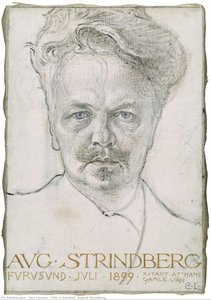
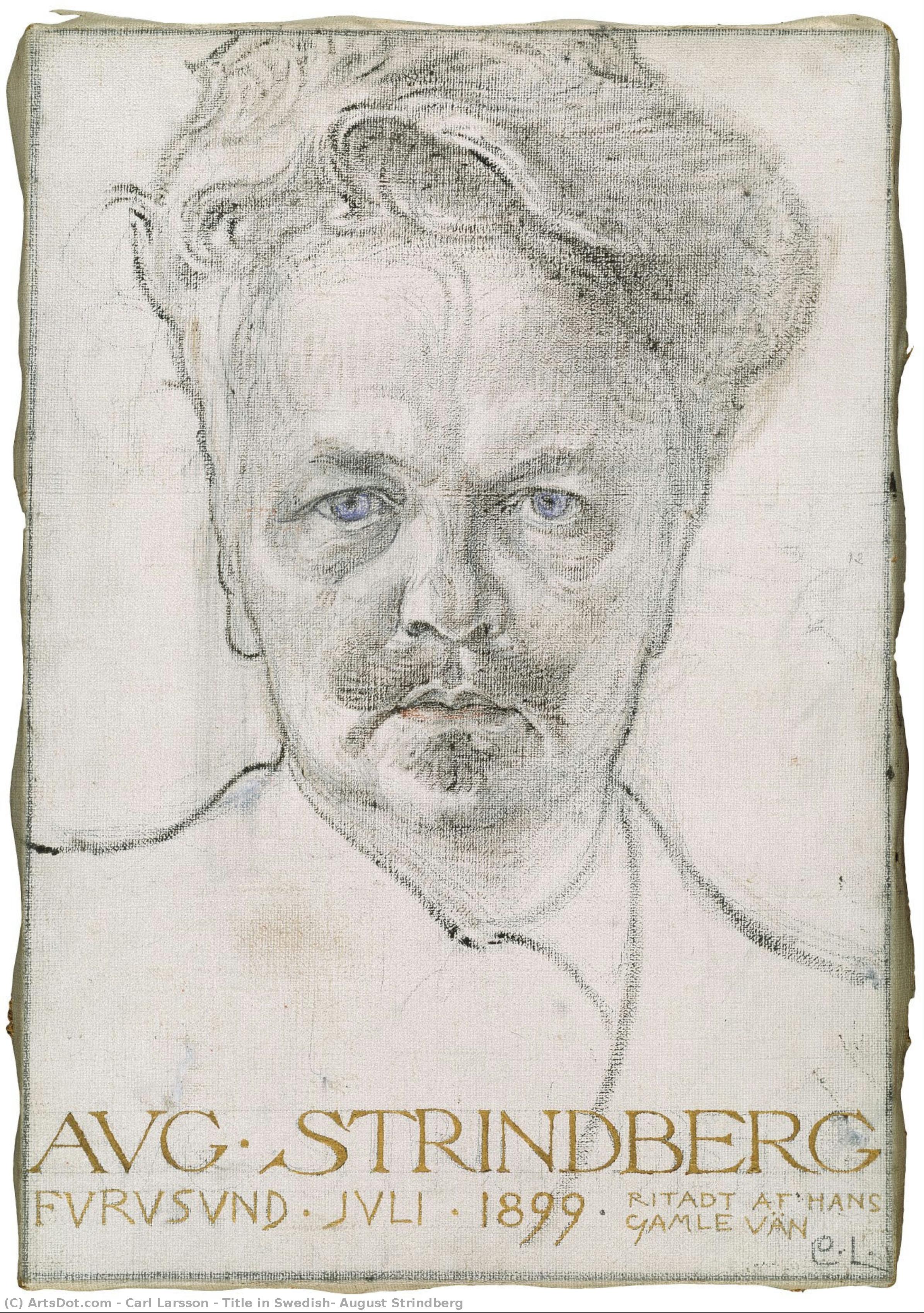
Title in Swedish: August Strindberg
 Oil On Canvas
- WallArt
- Art Nouveau
 1899
1899- 19th Century
 390.0 x 560.0 cm
 Nationalmuseum
 Read More
Hand Made Oil Reproduction
Hand-painted oil on canvas in your size and frame, made to order by our artists. ( Buy Print Buy Image)




P118B $10

P118H $10

P118W $10

P438Z $10

P508JH $12

P508YH $12

P805H $10

P805Z $10

P919BZ $10

P919G $10

P919XJ $10

P959ZH $10

P968JZ $12

W106C $8

W218G $10

W218JH $8

W218Y $10

W307PJ $10

W316G $10

W316PJ $8

W316Y $10

W398PJ $8

W4111J $10

W500HY $15

W500JH $15

W692G $12

W849H $8

W940BG $15

W953PJ $8




Pick from our preset sizes that match the artwork's original proportions.

You may enter your own dimensions to fit a specific frame or space. If your selected size does not match the original image's proportions, we will either crop the artwork or extend the painting with additional hand-painted elements. A digital mockup will be sent for your approval before production begins.
Please note that the on-screen preview does not reflect the actual cropping or extension. Only the mockup will accurately show the final composition.
While custom sizes are available, we recommend selecting a dimension from the predefined list to preserve the original proportions.
After order, ArtsDot.com team will email client for instructions and provide a mockup preview
Worldwide Delivery () in 3/4 weeks instead of standard 5 weeks. (16 August). No compromise on quality.

Free Worldwide Express Shipping

High-Quality Linen Canvas

Full Shipping Insurance

Customs Tax Refund Guarantee

True Color Matching Guarantee

60-Day Return Policy (Defects Only)

100% Money-Back Guarantee

Bulk Discount Offer
 Glass option is only available in size under 110 CM

Title in Swedish: August Strindberg
Reproduction Medium
Reproduction Size
-


Total Price
$ 263
Artwork Description
A Dialogue Between Painter and Writer – Carl Larsson’s Unfinished Ode to Strindberg
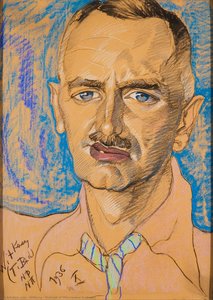
Carl Larsson's 1899 portrait of August Strindberg stands as a testament to the profound connection between two titans of Swedish artistic expression. More than just a likeness, it embodies a collaborative spirit—a moment captured in time when Larsson and Strindberg wrestled with the very essence of human experience, resulting in an artwork that retains an arresting vulnerability.
- Subject Matter: The painting depicts Strindberg himself, rendered with remarkable realism. His gaze downward conveys a contemplative mood—a preoccupation with internal thoughts and emotions that speaks volumes about Strindberg’s psychological depth.
- Style & Technique: Larsson employed the Art Nouveau style, characterized by flowing lines and organic forms, reflecting the aesthetic sensibilities of the era. The painting is executed in oil on canvas, utilizing a charcoal drawing technique overlaid with subtle color washes—primarily concentrated in the striking blue hue of Strindberg’s eye. This deliberate incompleteness underscores the artist's intention to capture not just appearance but also feeling.
Historical Context: Collaboration and Artistic Influence
Larsson and Strindberg had established a friendship years prior, fostering a creative partnership that extended beyond mere acquaintance. Larsson’s illustrations graced several of Strindberg's novels during the late 1880s and early 1890s—a crucial period in Strindberg’s literary development. The anecdote recounted by Larsson himself – “We started in the morning, divided the day into three with meals in between, and the next morning, early, Strindberg was standing by my bed at the hotel exclaiming: ‘A masterpiece, do not touch’” – hints at a shared ambition to push artistic boundaries. This pursuit of innovation is palpable in Larsson’s approach to this portrait.
Symbolism & Emotional Resonance
The choice of blue for Strindberg's eye isn’t merely decorative; it symbolizes introspection and perhaps even melancholy—qualities frequently explored by Strindberg in his dramatic works. The unfinished state of the painting contributes to its emotional impact, inviting viewers to contemplate the elusive nature of artistic creation and the difficulty of capturing true essence. It speaks to a moment frozen in time, hinting at an ongoing process of thought and feeling.
Provenance & Display
Currently housed at Stockholm’s Nationalmuseum, “August Strindberg” exemplifies Larsson's mastery of Art Nouveau technique and serves as a poignant reminder of the enduring legacy of Swedish cultural history. Its large format—measuring 390 x 560 cm—allows for immersive appreciation of Larsson’s meticulous attention to detail and his ability to convey profound psychological nuance.
Further Exploration
To delve deeper into Strindberg's life and work, consider visiting Wikipedia or exploring resources on August Strindberg’s Artist Database.
Related Artworks
Artist Biography
A Life Etched in Light: The World of Carl Larsson
Carl Larsson, a name synonymous with idyllic Swedish domesticity and artistic innovation, emerged from humble beginnings to become one of Scandinavia’s most beloved painters. Born in Stockholm's Old Town in 1853, his early life was far removed from the serene scenes he would later immortalize on canvas. Poverty cast a long shadow over his childhood; his parents struggled financially, and tales of hardship and instability permeated his formative years. Yet, even amidst these difficulties, a spark of artistic talent ignited within young Carl, nurtured by a perceptive teacher who recognized his potential and encouraged him to apply to the Royal Swedish Academy of Arts at just thirteen years old. This marked the beginning of a journey that would not only transform his own life but also redefine perceptions of home and family in Sweden and beyond. His initial experiences at the academy were fraught with insecurity, a sense of being an outsider amongst more privileged peers, but he persevered, finding solace and confidence within the vibrant student community.From Academic Training to Artistic Awakening
Larsson’s artistic development was marked by periods of experimentation and searching for his unique voice. After completing his formal training, he spent several years illustrating books, magazines, and newspapers – a practical necessity but one that didn't fully satisfy his creative aspirations. A pivotal moment arrived with his move to Grez-sur-Loing, an artists’ colony near Paris in 1882. It was here, amidst the camaraderie of fellow Scandinavian artists, that he met Karin Bergöö, who would become his wife and muse. More importantly, it was at Grez that Larsson abandoned oil painting in favor of watercolors – a decision that proved transformative. Watercolor allowed him to capture light and atmosphere with an unprecedented delicacy, perfectly suited to depicting the intimate scenes that would define his oeuvre. This shift wasn’t merely technical; it reflected a growing desire to portray everyday life with honesty and warmth, moving away from the grand historical narratives favored by many of his contemporaries. The influence of Art Nouveau is subtly present in his flowing lines and organic forms, while echoes of the Arts and Crafts movement resonate in his emphasis on handcrafted beauty and the celebration of domesticity.The Lilla Hyttnäs Idyll: A Home as Artwork
The year 1888 witnessed another turning point when Karin’s father gifted the couple a small house named Lilla Hyttnäs in Sundborn, Dalarna. This wasn't just a home; it became a living work of art, meticulously decorated and furnished by Carl and Karin themselves. The interiors, bathed in soft light and filled with handcrafted details, served as both inspiration and subject matter for Larsson’s most celebrated paintings. His depictions of family life – children playing, meals shared, moments of quiet intimacy – resonated deeply with a public yearning for warmth and authenticity. These weren't idealized portrayals; they were honest glimpses into the joys and challenges of raising a large family. Cosy Corner, Matts Bergom Larsson, and countless other watercolors captured the essence of Swedish *hemtrevnad* – a concept encompassing coziness, comfort, and a sense of belonging. The house itself became famous through reproductions of his paintings, influencing interior design trends for generations and shaping the popular image of the ideal Swedish home.Beyond Domestic Bliss: Monumental Works and Lasting Legacy
While Larsson is best known for his intimate domestic scenes, it’s important to remember that he considered his monumental works – frescoes in public buildings – to be his most significant artistic achievement. Midvinterblot (Midwinter Sacrifice), a large-scale painting depicting an ancient Norse religious ceremony, stands as a testament to his ambition and technical skill. Though initially rejected by the National Museum in Stockholm, it eventually found its rightful place within its walls, becoming a symbol of Swedish national identity. However, Larsson’s later years were marred by bouts of depression and ill health. He struggled with feelings of artistic frustration and disappointment, particularly regarding the reception of Midvinterblot. Despite these personal struggles, his influence continued to grow. His work offered a powerful counterpoint to the prevailing academic styles of the time, championing simplicity, honesty, and the beauty of everyday life.A Continuing Influence
Carl Larsson’s legacy extends far beyond the realm of art history. He remains a cultural icon in Sweden, his paintings instantly recognizable and deeply ingrained in the national consciousness. His work continues to inspire artists, designers, and anyone seeking to create spaces that are both beautiful and inviting. The enduring appeal of his paintings lies in their ability to evoke a sense of warmth, nostalgia, and genuine human connection. He captured not just *what* life looked like, but *how it felt* – the simple joys, quiet moments, and unwavering love that define the essence of home. His influence can be seen in countless contemporary interiors, illustrating his lasting impact on our understanding of domestic space and the art of creating a haven from the world. His paintings are not merely depictions of a bygone era; they are timeless celebrations of family, home, and the enduring power of light and love.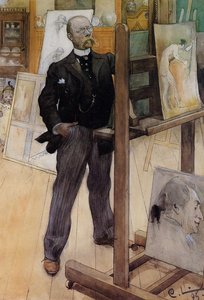
Carl Larsson
1853 - 1919 , Sweden
Quick Facts
- Artistic Movement Or Style: Realism, Art Nouveau
- Artists Or Movements Influenced By This Artist: ['Fanny Brate']
- Date Of Birth: May 28, 1853
- Date Of Death: Jan 22, 1919
- Full Name: Carl Larsson
- Nationality: Swedish
- Notable Artworks:
- Midvinterblot
- Cosy Corner
- Matts Bergom Larsson
- Place Of Birth: Stockholm, Sweden
Related Articles

Slate Blue Masterpieces: 10 Iconic Paintings & Timeless Home Decor Ideas
Immerse yourself in the captivating world of slate blue! Explore 10 iconic paintings by Monet, Van Gogh & Renoir. Discover their stories, techniques & find museum-quality art reproductions for your home at .

Serene Blue Backgrounds: Discover Soulful Art to Transform Your Space with Timeless Elegance
Transform your home with soulful blue art. From serene Monet impressions to modern textured sculptures, discover curated masterpieces designed to inspire calm. Explore expert art consultations and bespoke hand-painted reproductions to create your personal sanctuary.

Giclée Prints: Archival Quality & Aesthetic Nuances for the Discerning Collector
Explore the world of giclée prints with ArtsDot. Learn about archival quality, aesthetic nuances & investment potential. Expert guidance for discerning art collectors seeking museum-quality reproductions and lasting value.
The Allure of Azure: Exploring the Symbolic & Aesthetic Depths of Blue in Art History
Explore the rich history of blue in art! Discover its symbolism, from ancient pigments to modern masterpieces by Kandinsky & Seurat. Uncover the psychological impact and cultural meanings behind this captivating hue.

The Enduring Legacy of Fine Art Prints: Technique, History & Aesthetic Impact
Explore the rich history & techniques of fine art prints. Discover investment potential, assess authenticity, and learn how to preserve your collection with expert guidance. Trusted insights for discerning collectors.