

 Preview
 Send
Send Share
Share
 Details

 Download
 Similars
 X-Ray
X-Ray Diaporama
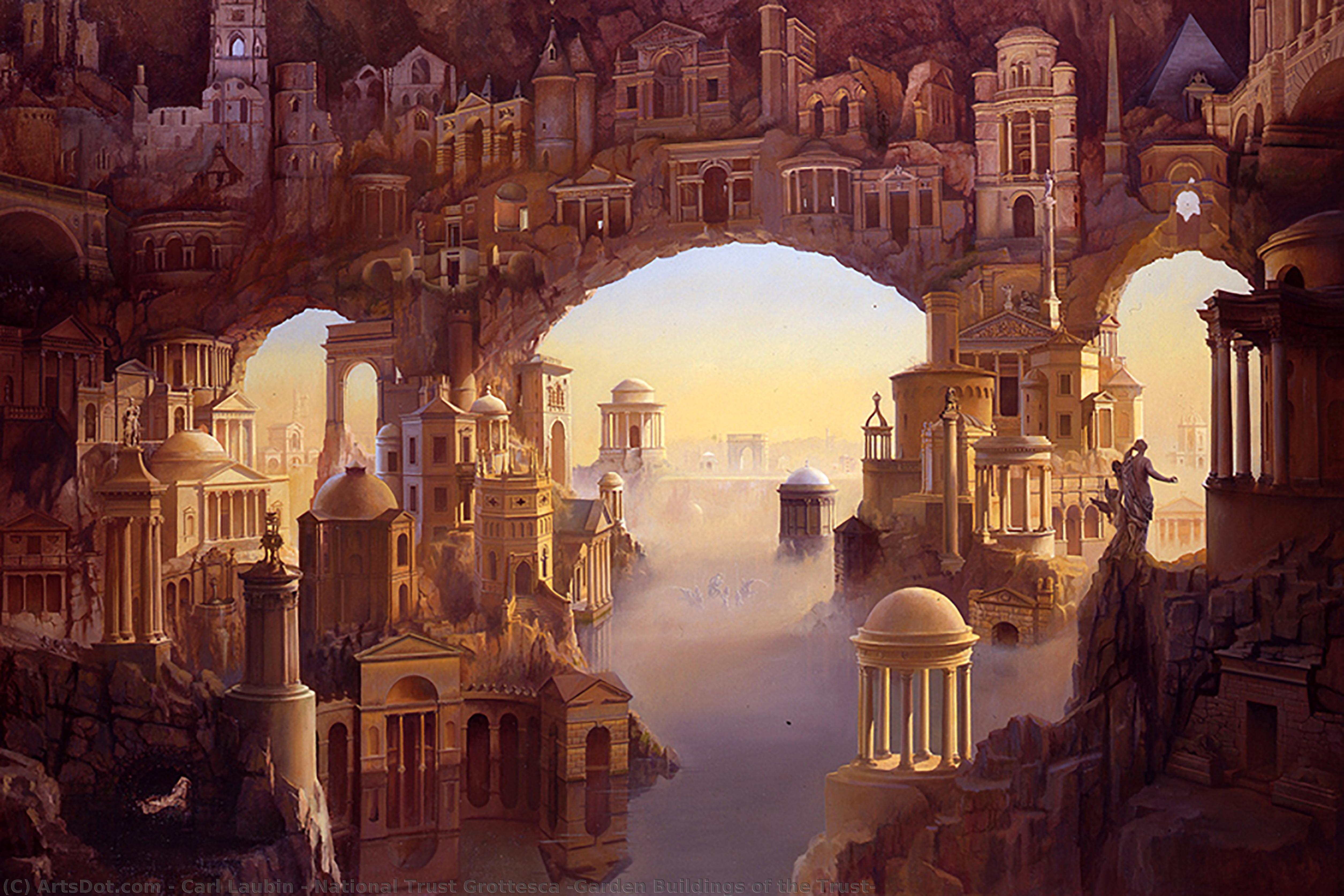
National Trust Grottesca (Garden Buildings of the Trust)
 1994
1994 121.0 x 183.0 cm
 National Trust Collections
 Read More
Purchase a high-resolution, enhanced digital image, far superior to the online preview.
Each file is meticulously prepared by our in-house specialists using advanced tools and expert manual retouching. We ensure every image has exceptional clarity, precise color accuracy, and fine detail.
The final file is delivered via email within 72 hours, optimized for immediate use in professional, editorial, and print environments. This is the same quality trusted by top-tier design studios, publishers, and galleries.
Digital Image
Download a high-resolution file for personal display, printing, and creative projects. ( Buy Print Buy Hand Made Painting)
Included in Every Digital Image Order
Expert Digital Delivery, Guaranteed
When you choose ArtsDot.com, you're not just getting an image - you're receiving a professionally enhanced digital artwork, crafted with precision and backed by a satisfaction guarantee. Here's everything that comes with your order, automatically:

Fast Email Delivery
Your high-resolution digital image file will be emailed to you within 72 hours of ordering - ready for immediate use.

AI-Enhanced Digital File
Your artwork is professionally optimized using advanced AI tools and manual editing, ensuring maximum detail, clarity, and color accuracy.

Free Lifetime Re-Delivery
Accidentally deleted or lost your file? No worries - we'll resend it to you anytime, free of charge.

No Import Fees - Ever
Enjoy your artwork instantly with zero customs, duties, or delivery fees - digital downloads are always tax-free.

Color Accuracy Guarantee
We ensure your digital image reflects the original colors as closely as possible using professional tools and color management.

60-Day Satisfaction Guarantee
If you're not satisfied with your digital image, we'll revise it or refund 100% within 60 days - no questions asked.

100% Money-Back Guarantee
Not satisfied? Get a full refund within 60 days of receiving your digital file - no questions asked.

Bulk Order Discounts
Buy 3 images, save 10% - Buy 5, save 15% - Buy 10+, save 20%. Great for creative projects, galleries, and agencies.
Related Artworks










Artist Biography
Carl Laubin: A Painter of Fantastical Realities
Born in New York City in 1947, Carl Laubin’s artistic journey began with a grounding in architecture at Cornell University – a foundation that would profoundly shape his distinctive style. However, it was a deep-seated passion for painting, nurtured since childhood, that ultimately guided him away from the structured world of blueprints and towards the evocative landscapes and architectural capricci that define his enduring legacy. Moving to London in 1973, Laubin initially worked within established architectural firms, including Jeremy Dixon, an experience which proved pivotal, encouraging him to pursue painting as a full-time endeavor – a decision that would unlock a uniquely imaginative voice.
Laubin’s work is immediately recognizable for its captivating blend of realism and fantasy. He doesn't simply depict buildings; he constructs elaborate, dreamlike scenarios where architectural forms intertwine with imagined landscapes, historical echoes, and subtle symbolic elements. These “capricci,” as he calls them – a term rooted in the Roman tradition of creating fantastical cityscapes – are not mere illustrations but carefully considered compositions brimming with atmosphere and narrative potential. They’re invitations to wander through meticulously rendered spaces that simultaneously feel familiar and utterly otherworldly.
Influences and Artistic Roots
Laubin's artistic lineage is rich and complex, drawing inspiration from a diverse range of sources. Early influences included the architectural giants of the Palladian era – Andrea Palladio, whose principles of proportion and harmony continue to resonate within Laubin’s work – as well as figures like Hawksmoor, the eccentric co-architect of Castle Howard, and Christopher Wren, the master builder of London. He also deeply admired Edwin Lutyens, the British architect known for his elegant country houses and public buildings. These foundational influences are evident in the meticulous detail and classical sensibility that permeate his paintings.
Beyond these architectural heroes, Laubin’s work is informed by a broader artistic tradition. The Roman capricci – depictions of imagined cities inspired by ancient ruins – served as an initial point of reference, but he quickly developed his own distinct voice. Leon Klenze, the 19th-century Bavarian architect who transformed Munich through ambitious urban planning projects, became a particularly significant influence. Laubin’s fascination with Klenze's vision of a revitalized city is powerfully expressed in paintings like “Befreiungshalle,” a monumental hall built to commemorate Bavaria’s liberation from Napoleonic rule – an image that reportedly brought tears to King Ludwig I’s eyes, reflecting the grandeur and emotional impact of Klenze’s designs.
Furthermore, Laubin's work demonstrates a clear engagement with modernism. His collaborations with Leon Krier, particularly their exploration of Le Corbusier’s unrealized Cite Henri Fruges housing project in Pessac, France, reveal an interest in the utopian ideals and innovative urban planning concepts of the early 20th century. The paintings “Machines for Living 1 and 11” are a testament to this influence, capturing the spirit of Le Corbusier’s vision for a harmonious and functional community.
Technique and Style
Laubin's technical skill is undeniable. His watercolors are characterized by an extraordinary level of detail, achieved through painstaking observation and masterful brushwork. He expertly renders textures – from the rough stone of ancient ruins to the smooth surfaces of classical facades – creating a sense of tactile realism that draws the viewer into his imagined worlds. Light plays a crucial role in his paintings, casting dramatic shadows and highlighting architectural details with subtle variations in tone.
However, Laubin’s technique is not simply about replicating reality; it's about transforming it. He employs a delicate balance of observation and imagination, layering elements to create an atmosphere of mystery and enchantment. His compositions are carefully constructed, often incorporating unexpected juxtapositions and symbolic motifs that invite interpretation. The use of color is particularly noteworthy – he favors muted tones and atmospheric washes, creating a sense of depth and distance.
Legacy and Recognition
Carl Laubin’s work has been exhibited extensively throughout the United Kingdom and internationally, earning him recognition from prestigious institutions such as the National Trust. His paintings are held in collections including the Spitzweg Collection in Germany, demonstrating his appeal across geographical boundaries. The National Trust, a key patron of his work, showcases his fantastical depictions of their estates and gardens in the Cotswolds, highlighting the harmonious blend of history, nature, and artistic vision that characterizes his oeuvre.
Laubin’s enduring popularity is a testament to the timeless appeal of his subject matter and his exceptional technical skill. He continues to create new capricci, inviting viewers to lose themselves in his meticulously rendered worlds – a world where architecture transcends its functional purpose and becomes a vehicle for dreams, memories, and profound emotional resonance.
carl laubin
1947 -
Quick Facts
- Artistic Movement Or Style: Architectural watercolors
- Artists Or Movements Influenced By This Artist: ['Le Corbusier']
- Artists Who Influenced This Artist:
- Palladio
- Hawksmoor
- Wren
- Lutyens
- Date Of Birth: 1947
- Full Name: Carl Laubin
- Nationality: British/American
- Notable Artworks:
- A View from Candlemaker Row
- Capriccio of Buildings
- View from Richmond Hill
- Place Of Birth: New York City, USA

