 Preview
 Send
Send Share
Share
 Details

 Download
 Similars
 X-Ray
X-Ray Diaporama
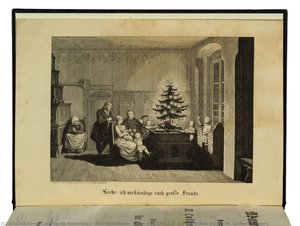
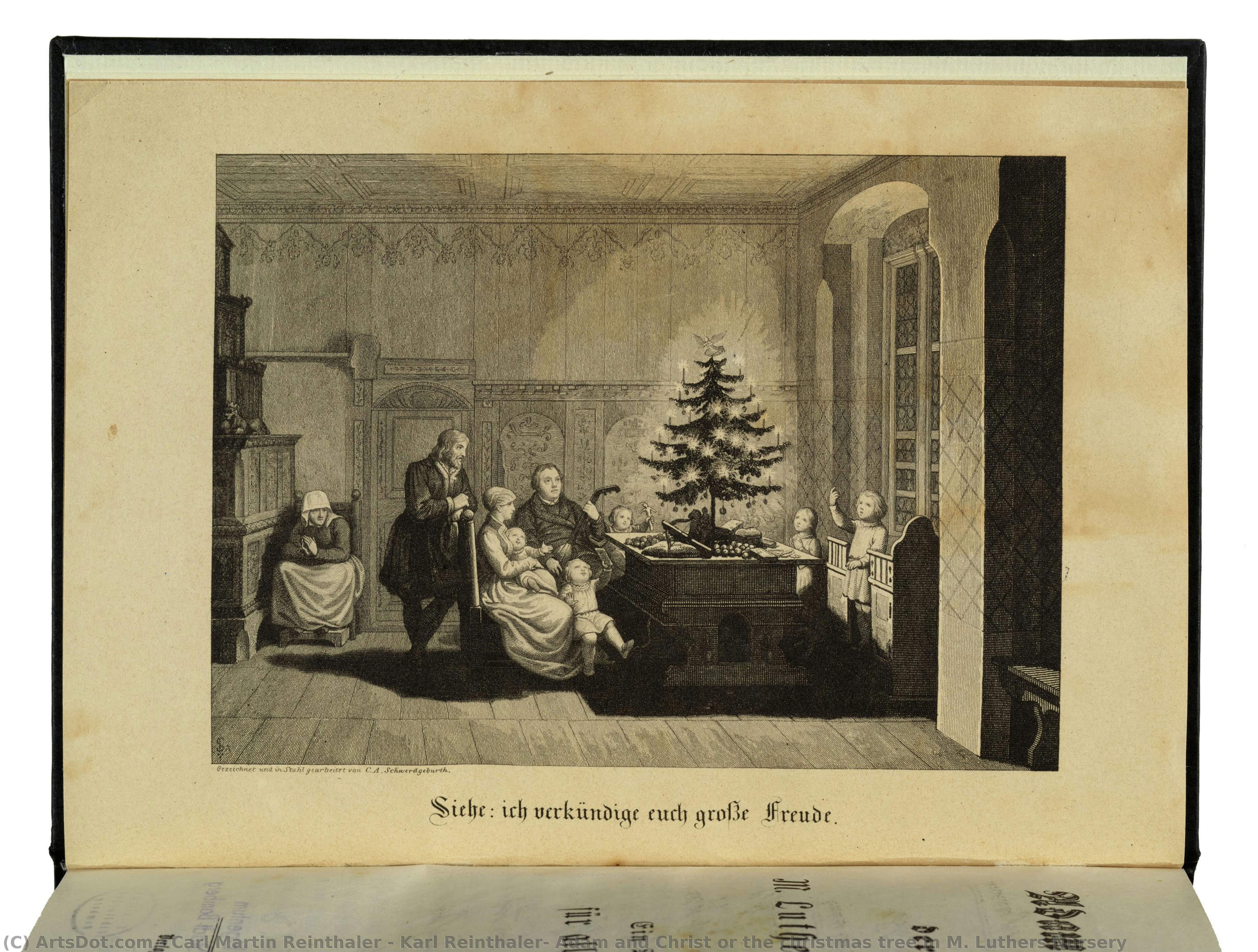
Karl Reinthaler: Adam and Christ or the christmas tree in M. Luthers Nursery


 Read More
Hand Made Oil Reproduction
Hand-painted oil on canvas in your size and frame, made to order by our artists. ( Buy Print Buy Image)




P118B $10

P118H $10

P118W $10

P438Z $10

P508JH $12

P508YH $12

P805H $10

P805Z $10

P919BZ $10

P919G $10

P919XJ $10

P959ZH $10

P968JZ $12

W106C $8

W218G $10

W218JH $8

W218Y $10

W307PJ $10

W316G $10

W316PJ $8

W316Y $10

W398PJ $8

W4111J $10

W500HY $15

W500JH $15

W692G $12

W849H $8

W940BG $15

W953PJ $8




Pick from our preset sizes that match the artwork's original proportions.

You may enter your own dimensions to fit a specific frame or space. If your selected size does not match the original image's proportions, we will either crop the artwork or extend the painting with additional hand-painted elements. A digital mockup will be sent for your approval before production begins.
Please note that the on-screen preview does not reflect the actual cropping or extension. Only the mockup will accurately show the final composition.
While custom sizes are available, we recommend selecting a dimension from the predefined list to preserve the original proportions.
After order, ArtsDot.com team will email client for instructions and provide a mockup preview
Worldwide Delivery () in 3/4 weeks instead of standard 5 weeks. (3 September). No compromise on quality.

Free Worldwide Express Shipping

High-Quality Linen Canvas

Full Shipping Insurance

Customs Tax Refund Guarantee

True Color Matching Guarantee

60-Day Return Policy (Defects Only)

100% Money-Back Guarantee

Bulk Discount Offer
 Glass option is only available in size under 110 CM

Karl Reinthaler: Adam and Christ or the christmas tree in M. Luthers Nursery
Reproduction Medium
Reproduction Size
-


Total Price
$ 263
A Warmth Beyond Time: The Spirit of Reinthaler’s Christmas
In the quiet, flickering glow of 1843, Carl Martin Reinthaler captured more than just a holiday scene; he immortalized a profound sense of communal belonging. His evocative work, Adam and Christ or the Christmas Tree in M. Luther's Nursery, serves as a window into a bygone era of German tradition, where the sanctity of family and the warmth of shared faith converged. The painting presents a meticulously detailed interior, centered around the luminous presence of a decorated Christmas tree that acts as the spiritual and visual anchor for the gathering. As light dances across the faces of the twelve figures assembled in the room, one feels the palpable weight of history and the gentle hum of seasonal joy.
The composition is masterfully orchestrated to draw the viewer into the heart of the celebration. Reinthally utilizes a rich, atmospheric technique that emphasizes the interplay between shadow and light, reminiscent of the chiaroscuro masters. The room, furnished with heavy dining tables and sturdy chairs, suggests a space built for endurance and tradition. By placing the tree at the center of this domestic landscape, Reinthaler creates a symbolic bridge between the earthly and the divine. The figures—some seated in quiet contemplation, others standing in animated conversation—create a rhythmic movement throughout the canvas, guiding the eye from the intimate corners of the room to the radiant centerpiece of the festivities.
Symbolism and the Legacy of Martin Luther
Beyond its aesthetic charm, the painting is steeped in deep theological and historical symbolism. The title itself hints at a complex narrative of redemption, juxtaposing the fallen state of Adam with the hope brought by Christ, mirrored in the evergreen life of the Christmas tree. This piece pays homage to the legacy of Martin Luther, specifically referencing the nursery within the Martinsstift in Erfurt. Reinthaler, a man whose own life was harmoniously intertwined with music and theology, uses this scene to illustrate the Protestant ideal of a harmonious family life. The act of gathering around the tree to sing and share stories becomes a ritualistic celebration of community strength and spiritual continuity.
For the discerning collector or interior designer, this artwork offers much more than mere decoration; it provides an emotional anchor for a space. The painting’s ability to evoke nostalgia and peace makes it an exquisite choice for rooms designed for reflection, such as libraries, study halls, or formal dining areas. A high-quality reproduction of this masterpiece brings with it a sense of historical gravity and a timeless elegance that complements both classical and traditional decor. It is a piece that invites conversation, prompting guests to linger and contemplate the enduring power of tradition and the simple, profound beauty of togetherness.
Related Artworks


Artist Biography
The Harmonious Legacy of Carl Martin Reinthaler
In the heart of nineteenth-century Germany, a period defined by profound cultural shifts and the soaring crescendos of Romanticism, lived Carl Martin Reinthaler. Born in Erfurt in 1822, Reinthaler was a man whose soul resided at the intersection of visual expression and auditory splendor. While history often remembers him through the lens of his musical mastery as an organist, conductor, and composer, there exists a fascinating, albeit more elusive, dimension to his identity as an artist. His life was a tapestry woven from the rigorous disciplines of theology, music, and fine art, creating a persona that embodied the intellectual and spiritual depth of the German era.
Reinthaler’s formative years were marked by a disciplined pursuit of excellence. His musical journey began under the guidance of August Gottfried Ritter, but it was his subsequent studies in theology and music with Adolf Bernhard Marx that provided him with a profound structural understanding of harmony and composition. This dual education in the sacred and the melodic likely informed his artistic sensibilities, allowing him to approach his creative endeavors with a sense of divine order and rhythmic precision. As he matured, his career became inextricably linked to the Bremen Cathedral, where, from 1857, he served as organist and director. This prestigious position placed him at the epicenter of German liturgical and cultural life, surrounded by the grandeur of cathedral architecture and the weight of historical tradition.
A Confluence of Art and Sound
The artistry of Reinthaler is best understood through the lens of his musicality. Though specific visual masterpieces attributed to him remain rare in the public eye, the essence of his work is deeply rooted in the rhythmic and structural complexities of his compositions. As a conductor, he possessed the unique ability to shape sound into a visual experience for his audience, leading the Singakademie Bremen with a vision that transcended mere performance. His influence extended into the highest circles of the musical elite; notably, Reinthaler was involved in the historic first performance of the revised version of Max Bruch’s Violin Concerto No. 1 in January 1868. This connection to figures like Johannes Brahms and Max Bruch suggests that his creative environment was one of intense collaboration and shared aesthetic goals.
One can imagine that his visual works, much like his musical scores, were characterized by a sense of movement and layered meaning. The precision required for an organist to navigate complex polyphony likely translated into a meticulous approach to detail in his artistic pursuits. His work reflects the spirit of 19th-century Germany—a time when the boundaries between different forms of high art were often fluid, and where a single individual could seek to capture the sublime through both the brush and the baton.
Historical Significance and Enduring Presence
Today, the legacy of Carl Martin Reinthaler serves as a testament to the polymathic spirit of the Romantic age. While his visual contributions are often found within the quiet halls of private collections and specialized institutions, his impact on the musical landscape of Bremen remains undeniable. His life’s work represents a bridge between the sacred traditions of the past and the burgeoning expressive freedoms of the modern era.
To explore the remnants of his cultural footprint, one might look toward:
- Museum Kunsthalle Bremen: A sanctuary for European painting where the echoes of German artistic history are preserved.
- Christ's Hospital Foundation: An institution with a rich historical lineage that may house pieces reflecting the era's devotion.
- Private Collections across Germany: Where the more intimate, personal works of Reinthaler continue to be cherished by connoisseurs of 19th-century German culture.
Ultimately, Reinthaler remains a figure of profound significance—a man who understood that whether through the vibration of a string or the stroke of a brush, the ultimate goal of art is to touch the eternal.
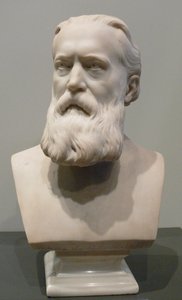
carl martin reinthaler
1822 - 1896 , Germany
Quick Facts
- Artists Who Influenced This Artist:
- August Gottfried Ritter
- Adolf Bernhard Marx
- Date Of Birth: 1822
- Date Of Death: 1896
- Full Name: Carl Martin Reinthaler
- Nationality: German
- Place Of Birth: Erfurt, Germany
Related Articles

Arboreal Echoes: A Historical & Artistic Exploration of Trees in Painting
Explore the rich history of trees in painting! Discover symbolism, Romantic masterpieces by Caspar David Friedrich & beyond. A curated journey for art enthusiasts.
Arboreal Echoes: A Historical & Artistic Exploration of Trees in Painting
Explore the rich history of trees in painting! Discover symbolism, Romantic masterpieces by Caspar David Friedrich & beyond. A curated journey for art enthusiasts.

25 Klimt Masterpieces: A Journey Through Iconic Art & Decor
Delve into the world of Gustav Klimt with our top 25 masterpieces! Explore his iconic paintings – 'The Kiss,' 'Portrait of Adele,' and more. Discover museum-quality reproductions & curated decor ideas. Explore the full collection online at ArtsDot.com.
German Expressionism's 10 Defining Masterpieces | Art for Your Home
Explore 10 defining German Expressionism masterpieces – from Munch's 'The Scream' to Kandinsky’s abstracts. Discover the artists, stories & bold colors behind this powerful art movement. Find museum-quality reproductions at ArtsDot.com.
Marianne North's Masterpieces: 25 Botanical Paintings That Bloom With Adventure | ArtsDot
Journey through the vibrant world of Marianne North’s botanical paintings! Explore 25 iconic artworks from this Victorian artist, celebrating exotic flora & travel. Find museum-quality reproductions and curated decor ideas at ArtsDot.com.