

 Preview
 Send
Send Share
Share
 Details

 Download
 Similars
 X-Ray
X-Ray Diaporama
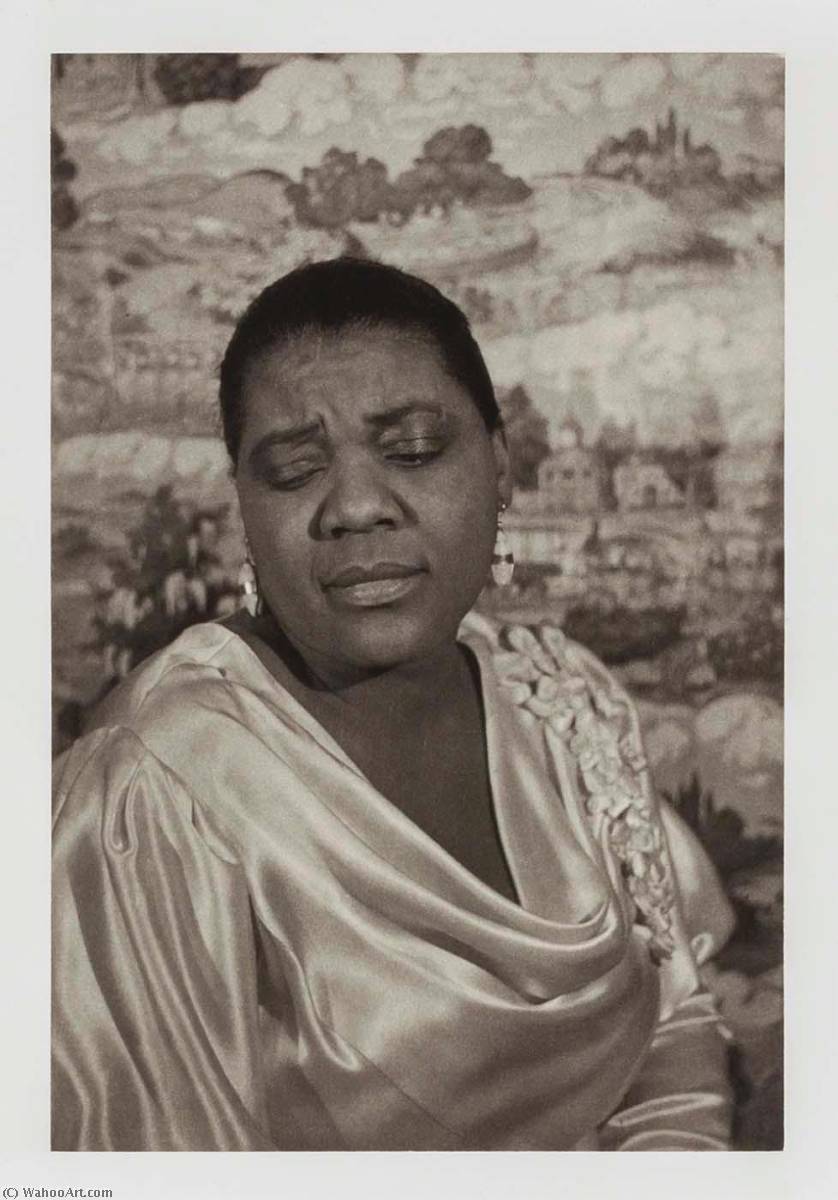
Bessie Smith, from the unrealized portfolio Noble Black Women The Harlem Renaissance and After
 1983
1983 23.0 x 15.0 cm
 Read More
Purchase a high-resolution, enhanced digital image, far superior to the online preview.
Each file is meticulously prepared by our in-house specialists using advanced tools and expert manual retouching. We ensure every image has exceptional clarity, precise color accuracy, and fine detail.
The final file is delivered via email within 72 hours, optimized for immediate use in professional, editorial, and print environments. This is the same quality trusted by top-tier design studios, publishers, and galleries.
Digital Image
Download a high-resolution file for personal display, printing, and creative projects. ( Buy Print Buy Hand Made Painting)
Included in Every Digital Image Order
Expert Digital Delivery, Guaranteed
When you choose ArtsDot.com, you're not just getting an image - you're receiving a professionally enhanced digital artwork, crafted with precision and backed by a satisfaction guarantee. Here's everything that comes with your order, automatically:

Fast Email Delivery
Your high-resolution digital image file will be emailed to you within 72 hours of ordering - ready for immediate use.

AI-Enhanced Digital File
Your artwork is professionally optimized using advanced AI tools and manual editing, ensuring maximum detail, clarity, and color accuracy.

Free Lifetime Re-Delivery
Accidentally deleted or lost your file? No worries - we'll resend it to you anytime, free of charge.

No Import Fees - Ever
Enjoy your artwork instantly with zero customs, duties, or delivery fees - digital downloads are always tax-free.

Color Accuracy Guarantee
We ensure your digital image reflects the original colors as closely as possible using professional tools and color management.

60-Day Satisfaction Guarantee
If you're not satisfied with your digital image, we'll revise it or refund 100% within 60 days - no questions asked.

100% Money-Back Guarantee
Not satisfied? Get a full refund within 60 days of receiving your digital file - no questions asked.

Bulk Order Discounts
Buy 3 images, save 10% - Buy 5, save 15% - Buy 10+, save 20%. Great for creative projects, galleries, and agencies.
Related Artworks
Artist Biography
A Life Intertwined with the Avant-Garde
Carl Van Vechten, a name resonating through the annals of early 20th-century American culture, was far more than simply a writer or photographer. He was a cultural catalyst, a passionate patron, and an astute observer who navigated the vibrant currents of modernism with remarkable energy. Born in Cedar Rapids, Iowa, in 1880, into a family that valued both intellectual pursuits and artistic expression—his mother founded the local library and possessed musical talent—Van Vechten’s early life laid the foundation for his multifaceted career. His initial passions leaned towards music and theatre, but it was through writing that he first found his voice, initially as “The Chaperone,” a columnist known for its semi-autobiographical gossip and sharp criticism in Chicago. This marked the beginning of a lifelong engagement with public discourse and artistic commentary. A move to New York City in 1906 solidified his position within the burgeoning cultural landscape, leading to a role as an assistant music critic at *The New York Times*.From Literary Critic to Champion of Modernity
Van Vechten’s intellectual curiosity propelled him beyond traditional criticism. He embarked on journeys to Europe, immersing himself in the world of opera and forging connections that would shape his artistic sensibilities. It was during this period he met Mabel Dodge Luhan, a pivotal figure who introduced him to the heart of the avant-garde movement. This introduction led to a profound friendship with Gertrude Stein, a relationship that would profoundly influence Van Vechten’s own work and ultimately lead to his role as her literary executor. He became a devoted advocate for Stein's experimental writing, even penning “How to Read Gertrude Stein” in an attempt to demystify her often challenging prose. His involvement with figures like Isadora Duncan, Anna Pavlova, and Loie Fuller further cemented his position as a champion of modern dance and performance art. He wasn’t merely documenting these movements; he was actively participating in their evolution, fostering dialogue and providing crucial support. This period saw him transition from solely critiquing the arts to becoming an integral part of its creation and dissemination.Photography and the Harlem Renaissance
The 1930s marked a significant turning point in Van Vechten’s artistic trajectory with his embrace of photography, specifically using a Leica camera. This new medium allowed him to capture portraits of his extensive network of friends and acquaintances—artists, writers, performers—with an intimacy and immediacy that resonated deeply. However, it was his engagement with the Harlem Renaissance that truly defined this phase of his career. Van Vechten became a dedicated patron and documentarian of African American artistic expression, using his platform to champion the work of emerging talents. His photographs offer invaluable glimpses into the lives and creative energies of figures like Langston Hughes, Zora Neale Hurston, and Bessie Smith. While his novel *Nigger Heaven* (1926), remains controversial due to its title—a reflection of the racial slurs prevalent at the time—it aimed to portray the complexities of African American life in Harlem, sparking important conversations about race and representation. His home became a salon where artists from all backgrounds mingled, challenging societal norms and fostering cross-cultural exchange.A Complex Legacy
Van Vechten’s personal life was as complex and multifaceted as his artistic pursuits. His marriage to Fania Marinoff, an actress with progressive social views, was a long and enduring partnership, yet it coexisted alongside relationships with men, most notably Mark Lutz. The extensive correspondence between Van Vechten and Lutz—10,000 letters destroyed at Lutz’s request—hints at the hidden depths of his personal life. His willingness to challenge conventional norms extended beyond his artistic endeavors, making him a figure both celebrated and criticized during his lifetime. Today, his photographs are held in esteemed collections like the Philadelphia Museum of Art, serving as enduring testaments to his vision and artistry. Carl Van Vechten’s legacy rests on his remarkable ability to bridge different worlds—literature, art, music, photography—and his unwavering commitment to fostering creativity and challenging societal boundaries. He remains a pivotal figure in understanding the cultural landscape of early 20th-century America, a man whose life was inextricably intertwined with the avant-garde movements that shaped our modern world.Enduring Influence
- Patronage and Support: Van Vechten’s financial and promotional support were instrumental in launching the careers of numerous artists during the Harlem Renaissance.
- Documenting a Movement: His photographic portraits provide an invaluable visual record of this pivotal period in American history, capturing the spirit and energy of its leading figures.
- Literary Executor: As Gertrude Stein’s literary executor, he ensured her work reached a wider audience, preserving her legacy for future generations.
- Challenging Conventions: His willingness to confront societal norms and explore controversial themes in his writing sparked important dialogues about race, sexuality, and artistic expression.
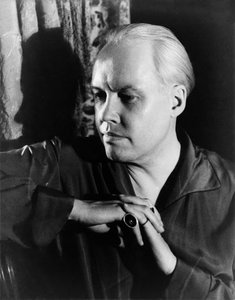
Carl Van Vechten
1880 - 1964 , United States of America
Quick Facts
- Artistic Movement Or Style: Harlem Renaissance, Modernism
- Artists Or Movements Influenced By This Artist: ['Harlem Renaissance artists']
- Date Of Birth: June 17, 1880
- Date Of Death: December 21, 1964
- Full Name: Carl Van Vechten
- Nationality: American
- Notable Artworks:
- Margaret Walker portrait
- Ralph Bunche portrait
- Katherine Dunham portrait
- Place Of Birth: Cedar Rapids, USA

