

 Preview
 Send
Send Share
Share
 Details

 Download
 Similars
 X-Ray
X-Ray Diaporama
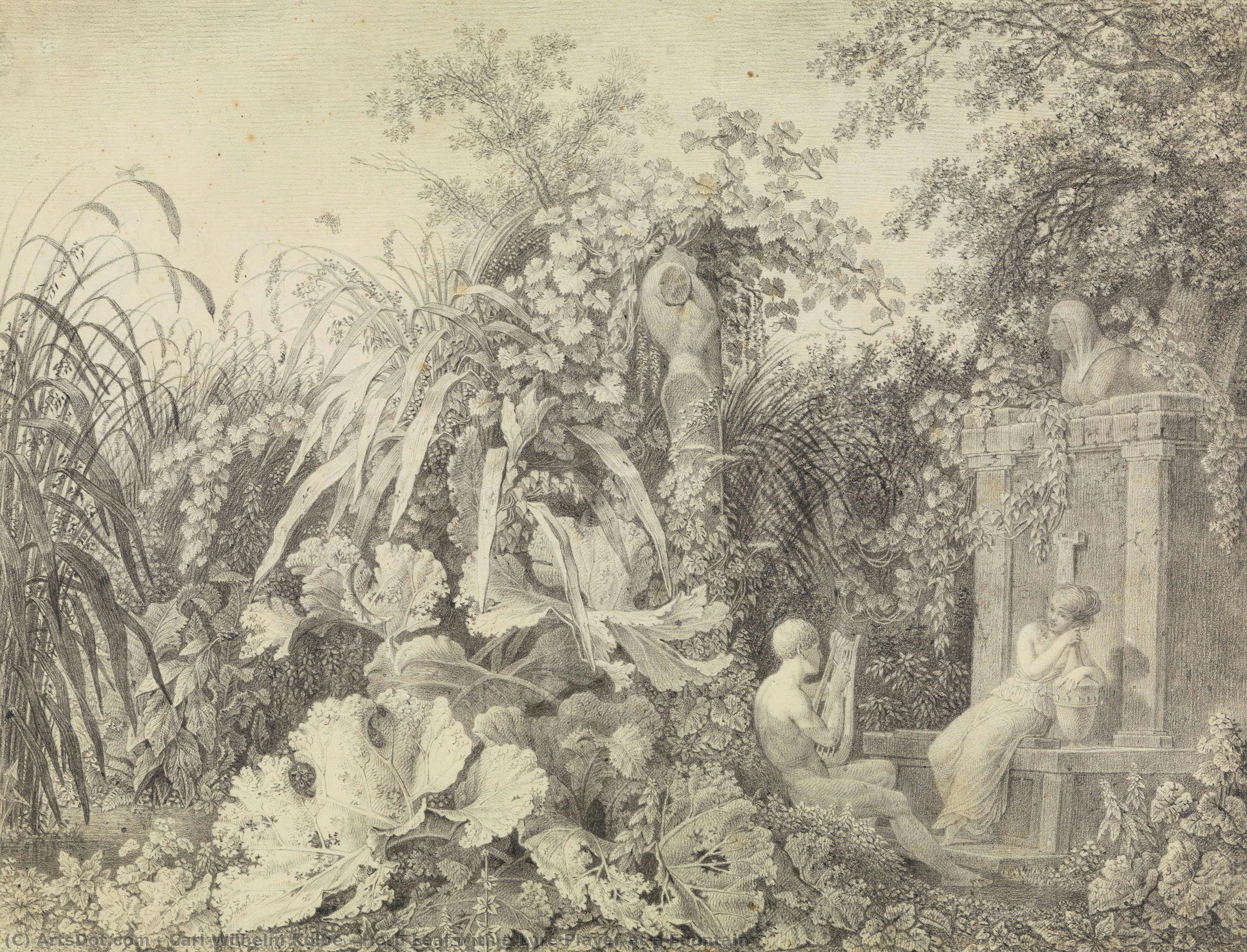
Herb Leaf with a Lyre Player at a Fountain


 Read More
Purchase a high-resolution, enhanced digital image, far superior to the online preview.
Each file is meticulously prepared by our in-house specialists using advanced tools and expert manual retouching. We ensure every image has exceptional clarity, precise color accuracy, and fine detail.
The final file is delivered via email within 72 hours, optimized for immediate use in professional, editorial, and print environments. This is the same quality trusted by top-tier design studios, publishers, and galleries.
Digital Image
Download a high-resolution file for personal display, printing, and creative projects. ( Buy Print Buy Hand Made Painting)
Included in Every Digital Image Order
Expert Digital Delivery, Guaranteed
When you choose ArtsDot.com, you're not just getting an image - you're receiving a professionally enhanced digital artwork, crafted with precision and backed by a satisfaction guarantee. Here's everything that comes with your order, automatically:

Fast Email Delivery
Your high-resolution digital image file will be emailed to you within 72 hours of ordering - ready for immediate use.

AI-Enhanced Digital File
Your artwork is professionally optimized using advanced AI tools and manual editing, ensuring maximum detail, clarity, and color accuracy.

Free Lifetime Re-Delivery
Accidentally deleted or lost your file? No worries - we'll resend it to you anytime, free of charge.

No Import Fees - Ever
Enjoy your artwork instantly with zero customs, duties, or delivery fees - digital downloads are always tax-free.

Color Accuracy Guarantee
We ensure your digital image reflects the original colors as closely as possible using professional tools and color management.

60-Day Satisfaction Guarantee
If you're not satisfied with your digital image, we'll revise it or refund 100% within 60 days - no questions asked.

100% Money-Back Guarantee
Not satisfied? Get a full refund within 60 days of receiving your digital file - no questions asked.

Bulk Order Discounts
Buy 3 images, save 10% - Buy 5, save 15% - Buy 10+, save 20%. Great for creative projects, galleries, and agencies.
Collectible Description
A Serene Moment Captured in Ink
In the delicate interplay of light and shadow, Herb Leaf with a Lyre Player at a Fountain invites the viewer into a tranquil, bygone era. Created in 1803 by the master German etcher Carl Wilhelm Kolbe, this exquisite work serves as a window into the transition between Neoclassical order and the burgeoning emotional depth of Romanticism. The scene unfolds around a communal fountain, a centerpiece of social grace where the gentle murmur of water meets the melodic strings of a lyre. A woman, poised with effortless elegance, cradles her instrument, her performance acting as the heartbeat of this pastoral gathering. Around her, figures are scattered in moments of quiet repose, their silhouettes blending into a landscape that feels both intimately personal and timelessly universal.
The technical mastery of Kolbe is evident in every fine line and tonal gradation. As an artist deeply rooted in the tradition of meticulous craftsmanship, his use of etching allows for a breathtaking level of detail that breathes life into the natural setting. The way the light catches the edges of the fountain and filters through the surrounding foliage demonstrates a profound understanding of atmosphere. This is not merely a drawing of a landscape; it is an exploration of texture—the coolness of stone, the softness of leaves, and the ephemeral nature of music itself. For the discerning collector, this piece offers a sophisticated study in monochromatic nuance, making it a versatile masterpiece for any curated collection.
Symbolism and the Spirit of Leisure
Beyond its aesthetic charm, the artwork is rich with the symbolism of the early 19th century. The fountain, a classical motif, represents the eternal flow of life and the purification of the soul, while the lyre player evokes the Muse, bringing divine harmony to the earthly realm. This gathering at the water's edge symbolizes a harmonious coexistence between humanity and nature, a central theme in Kolbe’s oeuvre. There is a profound sense of nostalgia embedded in the composition—a longing for a period of perceived simplicity and communal peace. The figures do not merely sit; they exist in a state of meditative leisure, offering a stark, beautiful contrast to the frantic pace of modern existence.
For interior designers and art enthusiasts, this reproduction offers more than just decoration; it provides an emotional anchor for a room. Whether placed in a sunlit library or a sophisticated study, the piece introduces a sense of calm and intellectual depth. Its monochromatic palette allows it to integrate seamlessly into various decor styles, from classic traditionalism to contemporary minimalist settings, where it can serve as a focal point of quiet contemplation. To possess such a work is to hold a fragment of history, a beautifully preserved moment of grace that continues to resonate with the human spirit centuries after its creation.
Related Artworks
Artist Biography
The Soul of the Prussian Landscape: The Life and Legacy of Carl Wilhelm Kolbe
In the delicate transition between the structured elegance of Neoclassicism and the emotive, untamed spirit of Romanticism, few artists captured the atmospheric pulse of the German landscape as intimately as Carl Wilhelm Kolbe. Born in Berlin in late 1757 to a family steeped in the meticulous craft of wallpaper production, Kolbe’s early life was defined by a unique intersection of decorative precision and intellectual curiosity. While his initial path led him toward the rigorous study of law and the linguistic complexities of philology—earning him a doctorate from the University of Halle—it was the call of the visual arts that would ultimately define his historical significance. Often referred to as The Elder to distinguish him from his more famous nephew, Kolbe brought a scholar’s depth to the etcher’s needle, creating works that were as much about intellectual resonance as they were about aesthetic beauty.
Kolbe’s artistic journey was profoundly shaped by his connection to the influential Daniel Chodowiecki, whose mentorship guided him toward the Prussian Academy of Arts in Berlin. Under the tutelage of masters such as Asmus Carstens and Johann Wilhelm Meil, Kolbe mastered the technical rigors of etching and engraving. However, he was never content with mere imitation. While his training provided a foundation in classical form, his heart sought the sublime—that elusive quality of nature that evokes both awe and a touch of melancholy. This internal drive led him away from the artistic cliques of Berlin toward the progressive atmosphere of Dessau. In this enlightened region of Anhalt, Kolbe found a sanctuary where he could serve as court engraver and teacher, flourishing in an environment that celebrated both scientific progress and artistic innovation.
A Mastery of Line and Light
As an etcher and graphic artist, Kolbe possessed a rare ability to translate the ephemeral qualities of light and atmosphere into the permanent medium of ink and paper. His technique was characterized by a sophisticated use of cross-hatching and varying line weights, which allowed him to build profound three-dimensionality and dramatic chiaroscuro effects. He earned the affectionate nickname "Oak Kolbe" due to his unparalleled ability to render forest scenes; his large-format studies of leaves and woodland textures exude a poetic closeness to nature that feels almost tactile. In works such as The Cow in the Reeds, one can witness his mastery of the landscape, where the interplay of water, vegetation, and light creates a sense of profound tranquility.
Beyond the purely naturalistic, Kolbe’s oeuvre often ventured into the fantastical and the allegorical. His prints frequently featured:
- Atmospheric Landscapes: Scenes that prioritize emotional mood over topographical accuracy, capturing the misty, brooding essence of the German countryside.
- Botanical Precision: Meticulous studies of flora that reflect his deep respect for the intricate details of the natural world.
- Mythological and Figural Elements: Engravings that incorporate classical figures or satyrs, blending the pastoral with the legendary to evoke a sense of wonder.
- Intricate Textures: A command over the medium that allows for the depiction of everything from the rugged bark of an ancient tree to the soft, shimmering surface of a swamp.
Historical Significance and Enduring Influence
The significance of Carl Wilhelm Kolbe lies in his role as a bridge between eras. He took the technical precision inherited from the late Enlightenment and infused it with the subjective, emotional intensity that would become the hallmark of the Romantic movement. His work does not merely document the landscape; it interprets it through a lens of personal feeling, making him a pioneer of the landscape of the mind. Furthermore, his dual identity as an artist and a linguist allowed him to contribute to the cultural fabric of Germany in ways few of his contemporaries could, blending the study of linguistic purity with the visual language of printmaking.
Though he lived through a period of immense political and social change, Kolbe’s art remained anchored in a deep, spiritual connection to the earth. His legacy survives in the prestigious collections of the British Museum, the National Gallery of Art, and the Art Institute of Chicago, where his prints continue to captivate viewers with their quiet power. To look upon a Kolbe etching is to witness a moment of stillness captured forever—a testament to an artist who found the infinite within the details of a single leaf or the shadows of a distant wood.
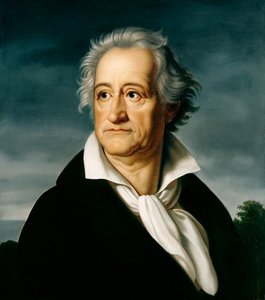
carl wilhelm kolbe
1757 - 1835 , Germany
Quick Facts
- Artistic Movement Or Style: Landscape Etching
- Artists Or Movements Influenced By This Artist: ['Dutch Masters']
- Artists Who Influenced This Artist: ['Daniel Chodowiecki']
- Date Of Birth: November 20, 1757
- Full Name: Carl Wilhelm Kolbe
- Nationality: German
- Notable Artworks: ['Landscape with Nudes Boarding a Boat']
- Place Of Birth: Berlin, Germany

