

 Send
Send Share
Share
 Details

 Download
 Similars
 Diaporama
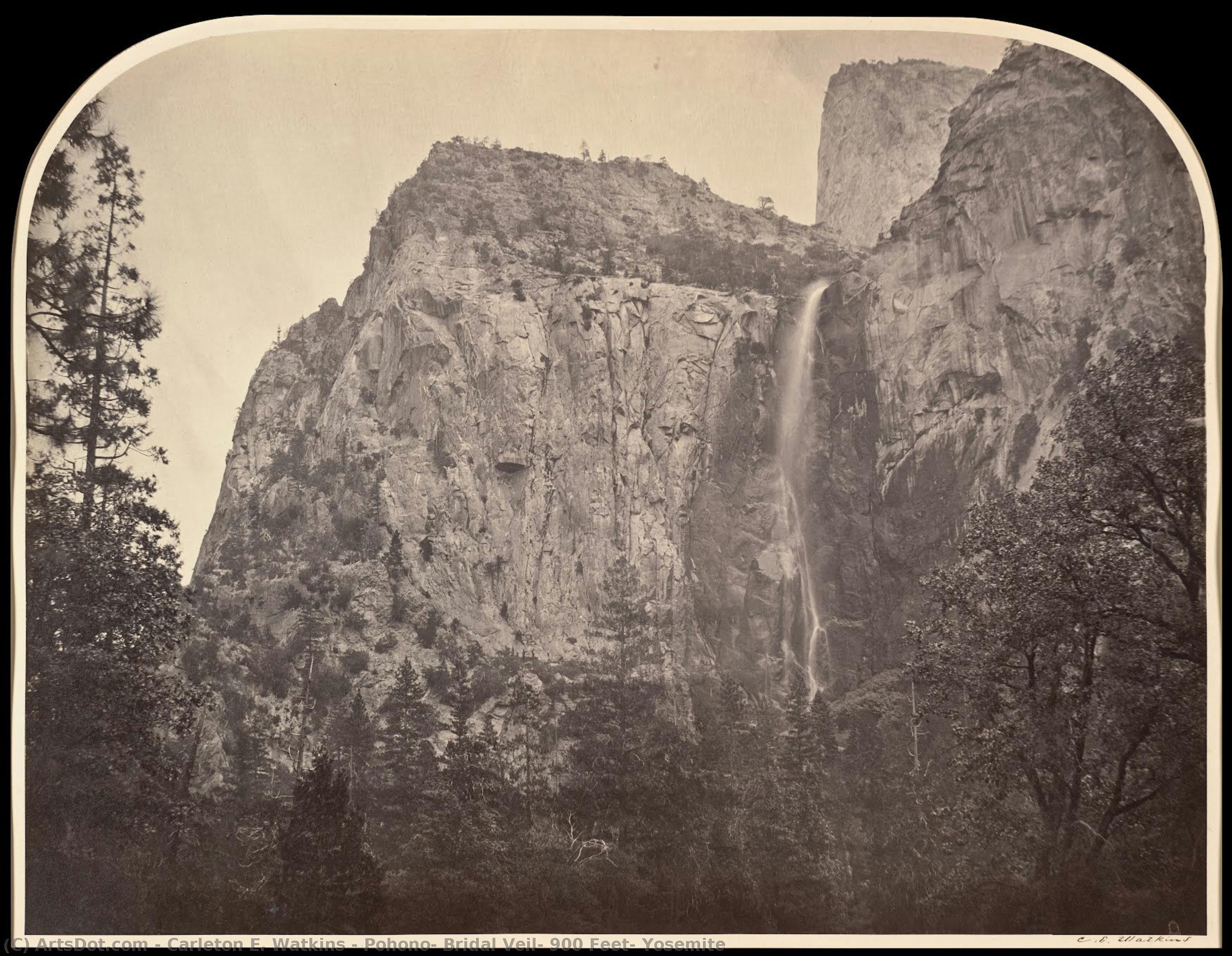
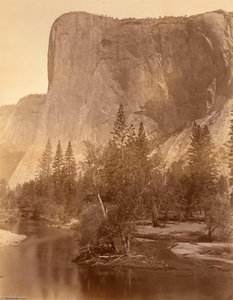
Pohono, Bridal Veil, 900 Feet, Yosemite


 Read More
Purchase a high-resolution, enhanced digital image, far superior to the online preview.
Each file is meticulously prepared by our in-house specialists using advanced tools and expert manual retouching. We ensure every image has exceptional clarity, precise color accuracy, and fine detail.
The final file is delivered via email within 72 hours, optimized for immediate use in professional, editorial, and print environments. This is the same quality trusted by top-tier design studios, publishers, and galleries.
Digital Image
Download a high-resolution file for personal display, printing, and creative projects. ( Buy Print Buy Hand Made Painting)
Included in Every Digital Image Order
Expert Digital Delivery, Guaranteed
When you choose ArtsDot.com, you're not just getting an image - you're receiving a professionally enhanced digital artwork, crafted with precision and backed by a satisfaction guarantee. Here's everything that comes with your order, automatically:

Fast Email Delivery
Your high-resolution digital image file will be emailed to you within 72 hours of ordering - ready for immediate use.

AI-Enhanced Digital File
Your artwork is professionally optimized using advanced AI tools and manual editing, ensuring maximum detail, clarity, and color accuracy.

Free Lifetime Re-Delivery
Accidentally deleted or lost your file? No worries - we'll resend it to you anytime, free of charge.

No Import Fees - Ever
Enjoy your artwork instantly with zero customs, duties, or delivery fees - digital downloads are always tax-free.

Color Accuracy Guarantee
We ensure your digital image reflects the original colors as closely as possible using professional tools and color management.

60-Day Satisfaction Guarantee
If you're not satisfied with your digital image, we'll revise it or refund 100% within 60 days - no questions asked.

100% Money-Back Guarantee
Not satisfied? Get a full refund within 60 days of receiving your digital file - no questions asked.

Bulk Order Discounts
Buy 3 images, save 10% - Buy 5, save 15% - Buy 10+, save 20%. Great for creative projects, galleries, and agencies.
Related Artworks

Artist Biography
Early Life and Artistic Awakening
The story of E. Watkins is one steeped in quiet observation and a gradual unfolding of talent, rather than a sudden burst onto the art scene. Born into a modest family, details surrounding their early life remain somewhat elusive – a deliberate choice by the artist to keep the focus firmly on the work itself. What *is* known is that Watkins displayed an aptitude for drawing from a very young age, filling notebooks with meticulous studies of the natural world and everyday objects. This wasn’t formal training; rather, it was a self-directed exploration born out of curiosity and a deep connection to their surroundings. The rural landscapes where they spent their childhood proved formative, instilling a lifelong appreciation for subtle shifts in light, texture, and form. Early influences were less about specific artists and more about the inherent beauty found in nature – the intricate patterns of leaves, the weathered surfaces of old wood, the ever-changing moods of the sky. This foundational period was crucial in developing Watkins’ distinctive visual language, characterized by a remarkable attention to detail and an almost meditative quality. It wasn't until later that they began to formally study art, but this early immersion in observation would remain the cornerstone of their practice.Formal Training and Emerging Style
Watkins’ decision to pursue formal artistic education marked a turning point, though not necessarily a dramatic departure from their earlier inclinations. They enrolled at a regional art school known for its emphasis on traditional techniques – drawing, painting, sculpture – but quickly found themselves drawn to the less conventional aspects of the curriculum. While proficient in representational work, Watkins began experimenting with abstraction and exploring ways to convey emotion and atmosphere through non-figurative means. This period was marked by a growing dissatisfaction with purely academic approaches and a search for a more personal mode of expression. Influenced by early Modernist movements like Impressionism and Post-Impressionism, they started to deconstruct traditional forms and prioritize the subjective experience of seeing. The artist’s palette began to evolve, moving away from realistic color schemes towards a more nuanced and evocative use of tone and hue. This experimentation wasn't without its challenges; Watkins often felt at odds with their instructors, who favored more conventional styles. However, this tension ultimately proved productive, pushing them to refine their vision and develop a unique artistic voice that blended technical skill with emotional depth.Major Themes and Artistic Development
The core of E. Watkins’ work revolves around the exploration of memory, loss, and the ephemeral nature of time. Their paintings are rarely literal depictions of specific events or places; instead, they function as evocative fragments – glimpses into a past that is both deeply personal and universally relatable. Recurring motifs include abandoned structures, decaying landscapes, and solitary figures, all rendered with a haunting sense of stillness and melancholy.- The Weight of History: Watkins often incorporates architectural elements—ruined buildings, crumbling walls—as symbols of the passage of time and the enduring presence of the past.
- Atmospheric Perspective: A key characteristic of their work is the masterful use of atmospheric perspective to create a sense of depth and distance, evoking feelings of isolation and longing.
- Subtle Color Palettes: The artist favors muted color palettes—grays, blues, ochres—that contribute to the overall mood of introspection and quiet contemplation.
Historical Significance and Legacy
E. Watkins occupies a unique position within contemporary art. While not easily categorized into any particular school or movement, their work resonates with a wide range of audiences who appreciate its emotional depth, technical skill, and philosophical undercurrents. Their paintings have been exhibited in galleries and museums around the world, earning them critical acclaim and a devoted following.- Influence on Contemporary Landscape Painting: Watkins’ nuanced approach to landscape painting has inspired a new generation of artists who seek to capture not just the visual appearance of nature but also its emotional resonance.
- Exploration of Memory and Loss: Their work is often cited as a powerful meditation on themes of memory, loss, and the human condition, resonating with viewers on a deeply personal level.
- Quiet Revolution in Abstraction: Watkins’ subtle yet profound approach to abstraction has challenged conventional notions of form and content, paving the way for new forms of artistic expression.

Quick Facts
- Artistic Movement Or Style: Landscape Photography
- Date Of Death: Living
- Full Name: Carleton E. Watkins

