 Preview
 Send
Send Share
Share
 Details

 Download
 Similars
 X-Ray
X-Ray Diaporama
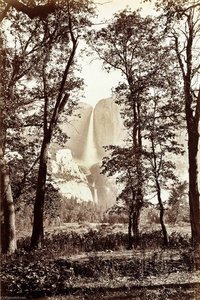
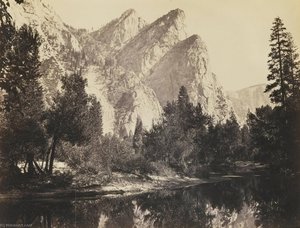
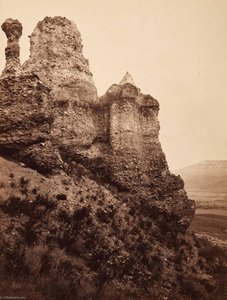
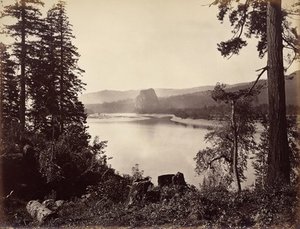
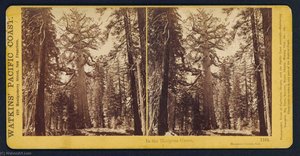
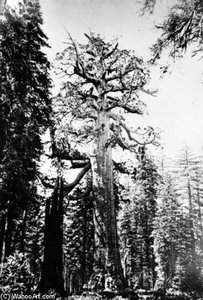
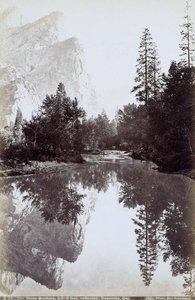
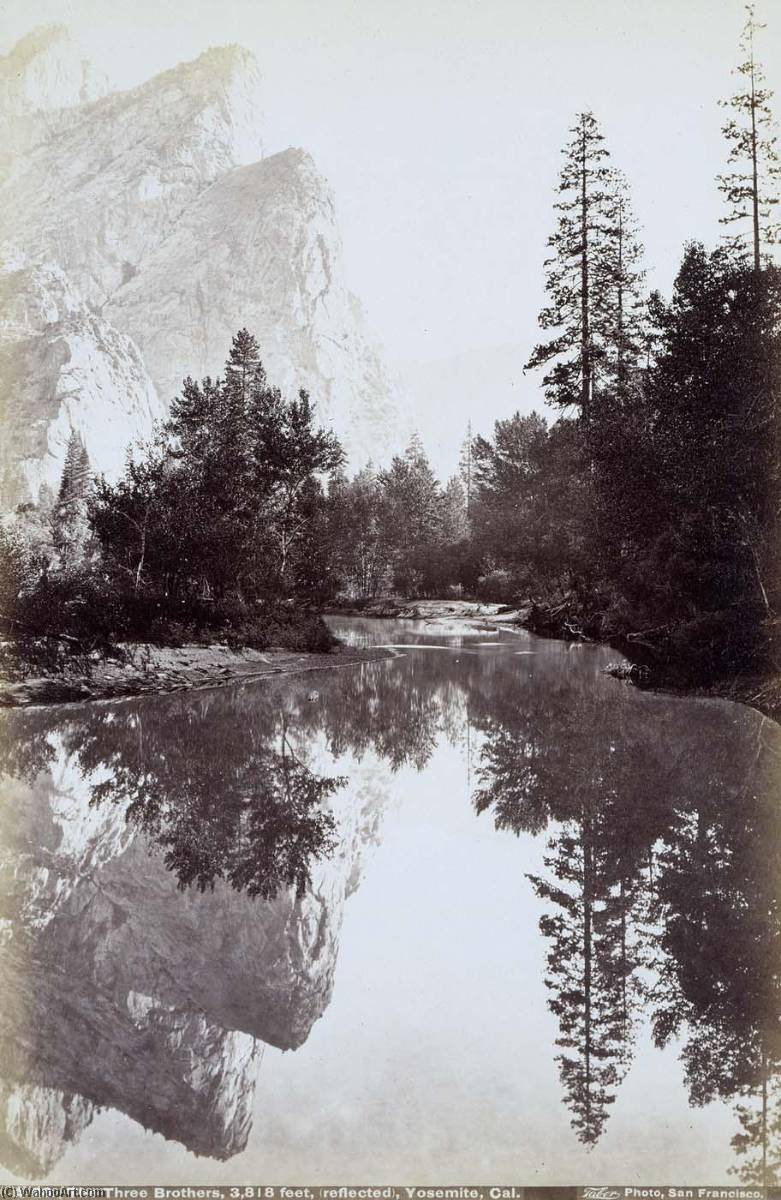
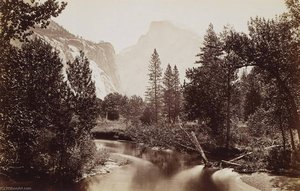
The Three Brothers, Yosemite
 1875
1875 32.0 x 21.0 cm
 Read More
Hand Made Oil Reproduction
Hand-painted oil on canvas in your size and frame, made to order by our artists. ( Buy Print Buy Image)




































Pick from our preset sizes that match the artwork's original proportions.

You may enter your own dimensions to fit a specific frame or space. If your selected size does not match the original image's proportions, we will either crop the artwork or extend the painting with additional hand-painted elements. A digital mockup will be sent for your approval before production begins.
Please note that the on-screen preview does not reflect the actual cropping or extension. Only the mockup will accurately show the final composition.
While custom sizes are available, we recommend selecting a dimension from the predefined list to preserve the original proportions.
After order, ArtsDot.com team will email client for instructions and provide a mockup preview
Worldwide Delivery () in 3/4 weeks instead of standard 5 weeks. (21 August). No compromise on quality.

Free Worldwide Express Shipping

High-Quality Linen Canvas

Full Shipping Insurance

Customs Tax Refund Guarantee

True Color Matching Guarantee

60-Day Return Policy (Defects Only)

100% Money-Back Guarantee

Bulk Discount Offer
 Glass option is only available in size under 110 CM

The Three Brothers, Yosemite
Reproduction Medium
Reproduction Size
-


Total Price
$ 263
Artwork Description
Artistic Style and Technique
Carleton Emmons Watkins was known for his exceptional skill in capturing the beauty of nature through his photographs. The Three Brothers, Yosemite is a prime example of his work, showcasing his ability to balance light and composition. The use of black and white tones adds a sense of timelessness to the image, making it a timeless classic. Key Features of the Painting:- The three large trees in the foreground, which give the photograph its name
- The majestic mountains visible in the background, creating a sense of depth and scale
- The presence of a person in the image, adding a sense of human perspective to the natural landscape
Similar Artists and Paintings
Other notable artists whose work can be found on https://ArtsDot.com include Gordon Grant, known for his painting East Main Street, and Alexander Helwig Wyant, who created the beautiful The Flume, Opalescent River, Adirondacks. These artists, like Carleton Emmons Watkins, have a deep appreciation for the natural world and have captured its beauty through their art.For those interested in learning more about Carleton Emmons Watkins and his work, including the Three Brothers, Yosemite, can visit the https://ArtsDot.com website. The site offers a wide range of information on various artists, including their biographies and notable works. Additionally, the Smithsonian American Art Museum website provides further insight into the museum's collection, including the Three Brothers, Yosemite.
Related Artworks





Artist Biography
Sir John Everett Millais: A Pre-Raphaelite Pioneer of Light and Life
Born in Southampton in 1829, Sir John Everett Millais was a figure of remarkable early promise, swiftly establishing himself as one of the most significant artists of his generation. His life intersected with some of the most transformative movements in Victorian art – notably, the Pre-Raphaelite Brotherhood – and his work continues to captivate audiences today with its luminous depictions of nature, myth, and human emotion. Millais’s journey from a child prodigy to a celebrated painter reflects not only artistic talent but also a complex personal life intertwined with both romantic ideals and challenging circumstances.
Millais's early years were marked by exceptional aptitude for art. He displayed an astonishing ability at a young age, entering the Royal Academy Schools at just eleven years old – a feat unheard of at that time. This rapid progression was fueled by his family’s considerable wealth and a supportive environment that nurtured his burgeoning talent. His first exhibition at the Royal Academy in 1846 showcased *Pizarro Seizing the Inca of Peru*, an ambitious historical painting that, while initially met with mixed reviews, established him as a serious contender within the artistic establishment. The Pre-Raphaelite Brotherhood, founded in 1848 by Millais alongside William Holman Hunt and Dante Gabriel Rossetti, provided a crucial framework for his artistic development. This group, rejecting the academic conventions of the time, sought to revive the spirit of early Renaissance art, emphasizing sincerity, beauty, and a close observation of nature.
- Key Pre-Raphaelite Themes: Millais’s work consistently explored themes central to the Brotherhood's philosophy – including romanticism, mythology, folklore, and the beauty of the natural world.
- Technique: He was renowned for his meticulous attention to detail, particularly in rendering light and color, often employing a technique he called “direct painting,” where he worked directly from nature without preliminary sketches.
- Notable Collaborations: Millais frequently collaborated with other Pre-Raphaelites, contributing to group projects and sharing artistic ideas.
Ophelia and the Scandalous Beauty
Perhaps Millais’s most iconic work, *Ophelia* (1851–52), remains a cornerstone of Pre-Raphaelite art and a subject of enduring fascination. The painting depicts Ophelia from Shakespeare's *Hamlet*, submerged in a stream surrounded by water lilies. Its initial reception was highly controversial due to the shockingly realistic depiction of Ophelia’s death – a scene typically rendered with idealized beauty and serenity. Critics found the image unsettling, accusing Millais of exploiting a tragic story for sensationalism. However, the painting's exquisite detail, luminous colors, and evocative atmosphere ultimately secured its place as a masterpiece.
*Ophelia* is not merely a faithful illustration of Shakespeare; it’s a profound meditation on beauty, mortality, and the vulnerability of women. Millais meticulously researched the flora and fauna surrounding the riverbank, incorporating accurate botanical details into the composition. The painting's use of light – particularly the dappled sunlight filtering through the trees – creates an ethereal atmosphere that heightens the sense of tragedy and serenity simultaneously. The image’s enduring power lies in its ability to evoke both pity and admiration for Ophelia’s doomed fate.
From Pre-Raphaelite Grandeur to Realistic Portraits
While initially deeply committed to the Pre-Raphaelite aesthetic, Millais's artistic style evolved significantly throughout his career. Following a period of intense activity with the Brotherhood, he began to move away from its overtly romanticized approach, embracing a more realistic and observational style. This shift was partly influenced by his marriage in 1855 to Effie Chalmers, formerly married to the influential critic John Ruskin – a union that profoundly impacted his life and artistic direction.
Millais’s later works demonstrate this evolution, particularly his series of paintings depicting children. *Bubbles* (1886), a charming portrayal of young girls playing in a field, exemplifies his newfound focus on capturing the innocence and joy of childhood. He also established himself as a successful portrait painter, creating elegant and intimate portraits of prominent figures such as Gladstone, Tennyson, and Queen Victoria’s daughter Princess Alice. These later works showcased his mastery of technique and his ability to capture the personality and character of his subjects.
Legacy and Historical Significance
Sir John Everett Millais died in 1896, leaving behind a substantial body of work that continues to be celebrated for its beauty, technical skill, and artistic innovation. He played a pivotal role in shaping the course of Victorian art, influencing generations of artists with his emphasis on naturalism, emotional depth, and the power of light. His Pre-Raphaelite paintings remain among the most beloved and frequently reproduced works of art from the 19th century.
Millais’s legacy extends beyond his individual achievements. He helped to establish a new standard for artistic representation, prioritizing observation, sincerity, and a deep connection with the natural world. His work serves as a reminder of the enduring power of art to capture beauty, evoke emotion, and illuminate the human experience.
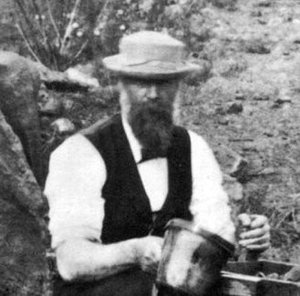
carleton emmons watkins
1829 - 1916 , United States of America
Quick Facts
- Artistic Movement Or Style: Pre-Raphaelite Brotherhood
- Artists Or Movements Influenced By This Artist:
- William Morris
- Modernism
- Artists Who Influenced This Artist:
- William Holman Hunt
- Dante Gabriel Rossetti
- Date Of Birth: June 8, 1829
- Date Of Death: August 13, 1896
- Full Name: Sir John Everett Millais, Bt
- Nationality: English
- Notable Artworks:
- Ophelia
- Christ in the House of His Parents
- Bubbles
- Place Of Birth: Southampton, England