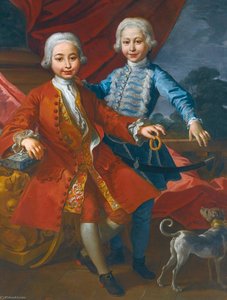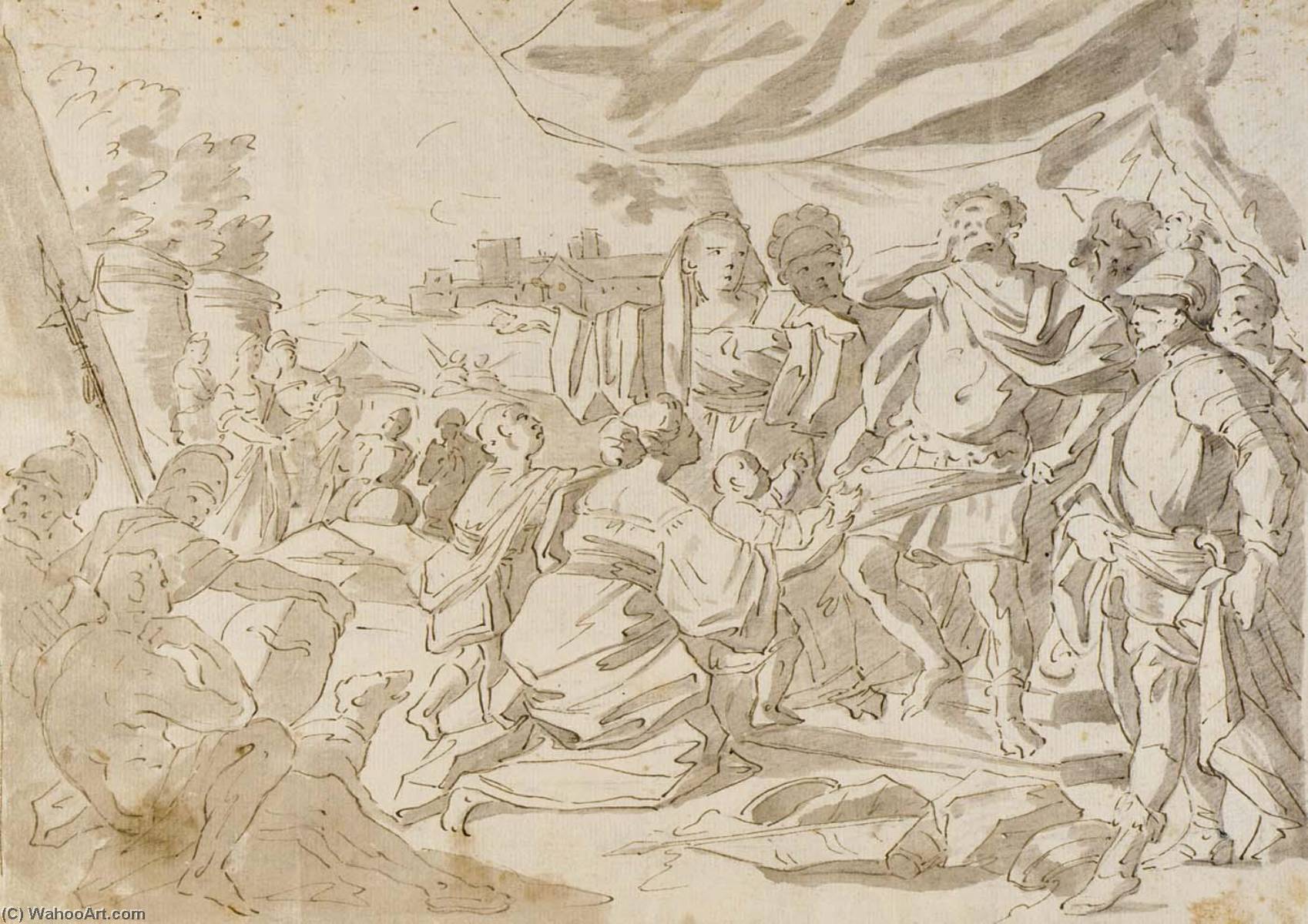
 Preview
 Send
Send Share
Share
 Details

 Download
 Similars
 X-Ray
X-Ray Diaporama
Drawing
 Read More
Giclée / Art Print
Museum-quality giclée or canvas print with fast production and flexible finish options. ( Buy Hand Made Painting Buy Image)




































Pick from our preset sizes that match the artwork's original proportions.

You may enter your own dimensions to fit a specific frame or space. If your selected size does not match the original image's proportions, we will either crop the artwork or extend the image with a mirrored or solid-fill edge. A digital mockup will be sent for your approval before production begins.
Please note that the on-screen preview does not reflect the actual cropping or extension. Only the mockup will accurately show the final composition.
While custom sizes are available, we recommend selecting a dimension from the predefined list to preserve the original proportions.
Worldwide Delivery () in 2 weeks instead of standard 4/5 weeks. (18 August)

Free Worldwide Express Shipping

High-Quality Linen Canvas

Full Shipping Insurance

Customs Tax Refund Guarantee

True Color Matching Guarantee

60-Day Return Policy (Defects Only)

100% Money-Back Guarantee

Bulk Discount Offer
 Glass option is only available in size under 110 CM

Drawing
Giclée / Art Print
Reproduction Size
-


Total Price
$ 63
Related Artworks
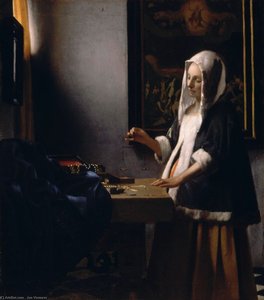
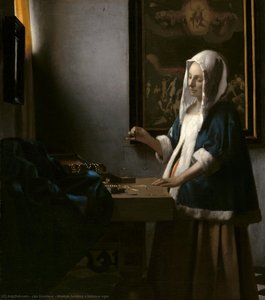

Artist Biography
A Neapolitan Brush: The Life and Art of Carlo Amalfi
The eighteenth century in Naples was a period of vibrant artistic ferment, a heady mix of Baroque tradition and emerging Rococo sensibilities. Within this dynamic milieu flourished Carlo Amalfi, an artist whose name, though perhaps less globally recognized than some of his contemporaries, resonates deeply within the history of Neapolitan portraiture. Born around 1707, likely in either Piano di Sorrento or Vico Equense – a detail that speaks to the often-obscured origins of artists from provincial backgrounds – Amalfi dedicated his career to capturing the likenesses and spirit of the Kingdom of Naples’ elite. His story is one woven into the fabric of aristocratic patronage, religious commissions, and the evolving tastes of a society poised between opulence and change.Early Formation and Artistic Influences
Details surrounding Amalfi's early training remain somewhat elusive, typical for artists of his era who often honed their skills through apprenticeships within local workshops rather than formal academic institutions. The region of Sorrento, with its picturesque landscapes and a thriving network of villas owned by wealthy patrons, provided fertile ground for an aspiring painter. It’s reasonable to assume Amalfi absorbed the prevailing Baroque styles – characterized by dramatic chiaroscuro, robust forms, and intense emotionality – that dominated southern Italian art during his formative years. However, as he matured, Amalfi's work began to reflect a subtle shift towards the more refined elegance of Rococo, embracing lighter palettes, graceful compositions, and an increasing focus on psychological nuance in portraiture. This transition wasn’t abrupt; rather, it represented a skillful blending of established traditions with contemporary trends, a hallmark of his artistic development. The influence of Gaspare Traversi, another Neapolitan painter known for genre scenes, is also discernible in some of Amalfi's works, suggesting a breadth of interest beyond the confines of formal portraiture.A Portraitist of Nobility and Clergy
Amalfi’s career blossomed as a sought-after portraitist, catering to the demands of Naples’ aristocratic society and the Church. His canvases offer a fascinating glimpse into the world of eighteenth-century nobility – their fashions, their status symbols, and perhaps most intriguingly, their inner lives. One of his most celebrated achievements is the portrait of Prince Raimondo di Sangro, completed around 1759 for the Cappella Sansevero in Naples. This work isn’t merely a depiction of physical resemblance; it captures the enigmatic personality of a man steeped in alchemy, philosophy, and intrigue. The gentle irony hinted at in the subject's smile – as noted by observers centuries later – speaks to Amalfi’s ability to convey character beyond mere surface appearance. Beyond individual portraits, Amalfi also undertook significant decorative commissions, notably contributing to the grand council hall of Castel Capuano in 1752 alongside Giovanni Battista Natali, a specialist in *quadratura* (illusionistic ceiling painting). This collaboration highlights his versatility and willingness to engage with large-scale projects that demanded both artistic skill and technical expertise.Legacy and Historical Significance
While Amalfi may not have achieved the widespread fame of some of his contemporaries, his contribution to Neapolitan art is undeniable. He represents a crucial link between the Baroque past and the evolving aesthetic sensibilities of the Rococo era. His portraits are more than just historical documents; they are insightful studies of character, imbued with a psychological depth that sets them apart. The fact that his work continued to be appreciated by prominent figures like Franco Sersale – who acquired a portrait at auction in 2012 and proudly displayed it at Le Sirenuse hotel – speaks to the enduring quality and appeal of Amalfi’s art. His paintings offer a valuable window into the social, cultural, and artistic landscape of eighteenth-century Naples, providing historians and art enthusiasts with a tangible connection to a bygone era. Amalfi's ability to blend technical skill with a keen understanding of human psychology cemented his place as a significant figure in the Neapolitan school of portraiture. His work, though often overlooked, continues to captivate and intrigue, reminding us of the power of art to transcend time and reveal the complexities of the past.
Quick Facts
- Artistic Movement Or Style: Rococo, Portraiture
- Date Of Birth: 1707
- Date Of Death: 1787
- Full Name: Carlo Amalfi
- Nationality: Italian
- Notable Artworks: ['Prince Raimondo di Sangro portrait']
- Place Of Birth: Piano di Sorrento, Italy