

 Preview
 Send
Send Share
Share
 Details

 Download
 Similars
 X-Ray
X-Ray Diaporama
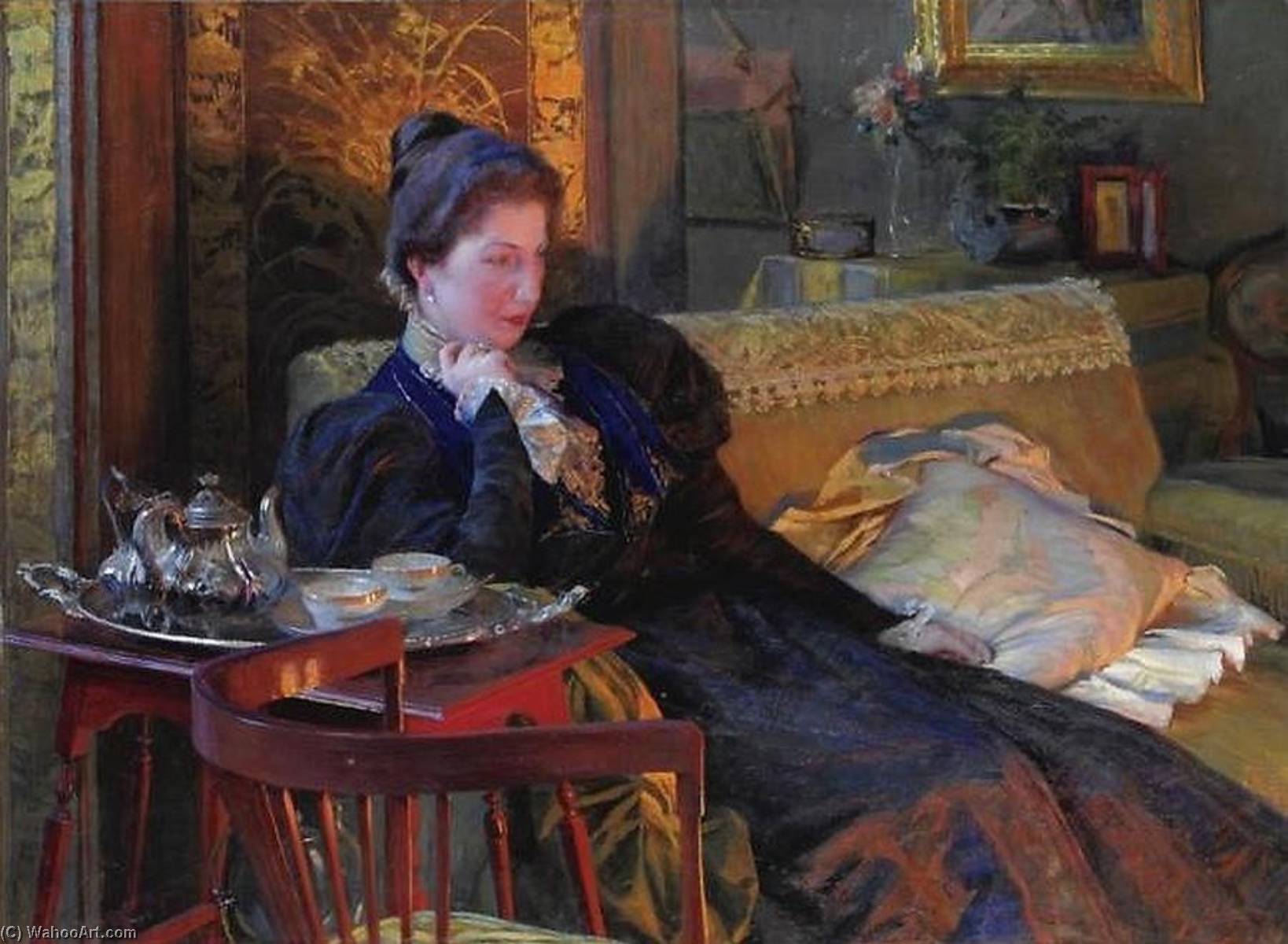
Et prope et procul


 Read More
Giclée / Art Print
Museum-quality giclée or canvas print with fast production and flexible finish options. ( Buy Hand Made Painting Buy Image)




































Pick from our preset sizes that match the artwork's original proportions.

You may enter your own dimensions to fit a specific frame or space. If your selected size does not match the original image's proportions, we will either crop the artwork or extend the image with a mirrored or solid-fill edge. A digital mockup will be sent for your approval before production begins.
Please note that the on-screen preview does not reflect the actual cropping or extension. Only the mockup will accurately show the final composition.
While custom sizes are available, we recommend selecting a dimension from the predefined list to preserve the original proportions.
Worldwide Delivery () in 2 weeks instead of standard 4/5 weeks. (18 August)

Free Worldwide Express Shipping

High-Quality Linen Canvas

Full Shipping Insurance

Customs Tax Refund Guarantee

True Color Matching Guarantee

60-Day Return Policy (Defects Only)

100% Money-Back Guarantee

Bulk Discount Offer
 Glass option is only available in size under 110 CM

Et prope et procul
Giclée / Art Print
Reproduction Size
-


Total Price
$ 63
Related Artworks
Artist Biography
Early Life and Artistic Foundations
Carlo Cressini, born in Genoa in 1864, embarked on an artistic journey that would see him become a notable figure within the Italian landscape painting tradition of the late 19th and early 20th centuries. His formative years were marked by relocation – first to Milan with his family, then to Turin where he initially enrolled at the prestigious Albertina Academy. However, it was his return to Milan in 1884 and subsequent studies at the Brera Academy under the guidance of Giuseppe Bertini that truly solidified his artistic foundations. This period instilled in him a classical approach to painting, emphasizing meticulous technique and observational skill. Early works reflected this training, focusing on portraits and still lifes executed with refined realism. He quickly established himself within the Italian art scene, becoming a regular participant in national exhibitions held across Milan, Turin, and Venice – notably debuting at the Venice Biennale in 1887.The Allure of the Alps and Naturalistic Influences
As the century neared its close, Cressini’s artistic focus underwent a significant transformation. He turned his gaze towards the majestic landscapes of the Italian and Swiss Alps, captivated by their unspoiled beauty and dramatic vistas. This shift was profoundly influenced by Filippo Carcano, a leading figure in Italian naturalism. Like Carcano, Cressini sought to capture the essence of these environments with unwavering fidelity, prioritizing accurate representation over idealized romanticism. His paintings from this period are characterized by a palpable sense of atmosphere, achieved through careful observation of light and shadow, and a dedication to depicting the rugged textures of mountains, forests, and valleys. This was not merely topographical rendering; Cressini imbued his landscapes with a quiet emotional resonance, inviting viewers to experience the awe-inspiring power of nature firsthand.Embracing Divisionism: A New Palette for Alpine Light
The early years of the 20th century witnessed another pivotal development in Cressini’s artistic style – his embrace of Divisionism, also known as Pointillism. Around 1905, he began to experiment with this technique, meticulously applying small dots of pure color that optically blended to create vibrant and luminous effects. This approach proved particularly well-suited to capturing the nuances of light in the Alpine environment. The broken brushstrokes and shimmering colors conveyed a sense of atmospheric haze, reflecting the crisp air and radiant sunlight characteristic of mountainous regions. While remaining rooted in his naturalistic principles, Divisionism allowed Cressini to infuse his landscapes with a new level of brilliance and dynamism. He continued to work in this style throughout the remainder of his career, refining his technique and exploring increasingly complex compositions.Exhibitions and Recognition
Cressini’s dedication to his craft earned him consistent recognition within the Italian art world. His participation in numerous exhibitions, including repeated showings at the Venice Biennale – from 1897 through 1928 – cemented his reputation as a leading landscape painter of his generation. These exhibitions provided a platform for showcasing his evolving style and connecting with a wider audience. While he may not have achieved the same level of international fame as some of his contemporaries, Cressini was highly respected by his peers and patrons, and his works were sought after by collectors who appreciated his masterful technique and evocative depictions of the Alps.Legacy and Historical Significance
Carlo Cressini passed away in Milan in 1938, leaving behind a substantial body of work that continues to captivate viewers today. His paintings offer a valuable glimpse into the Italian landscape tradition of the late 19th and early 20th centuries, bridging the gap between naturalistic representation and the innovative techniques of Divisionism. He stands as an important example of an artist who successfully adapted his style to reflect changing aesthetic trends while remaining true to his own artistic vision. His influence can be seen in the work of subsequent generations of Italian landscape painters, who continue to draw inspiration from his masterful use of light, color, and composition. Et prope et procul, a captivating 1894 oil painting exemplifies his early realism and warm palette, while his later Alpine landscapes demonstrate his mastery of Divisionism and ability to evoke the grandeur of nature.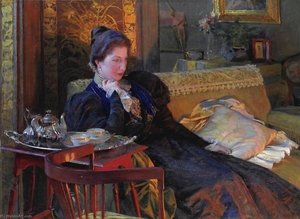
Quick Facts
- Artistic Movement Or Style: Divisionism, Naturalism
- Artists Who Influenced This Artist: ['Filippo Carcano']
- Date Of Birth: 1864
- Date Of Death: 1938
- Full Name: Carlo Cressini
- Nationality: Italian
- Notable Artworks: ['Et prope et procul']
- Place Of Birth: Genoa, Italy
Related Articles
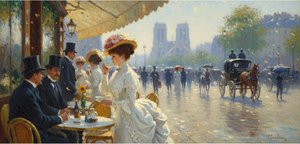
Impressionistic Realism's Finest: 10 Masterpieces for Your Home | ArtsDot
Journey through Impressionistic Realism with 10 iconic masterpieces by Monet, Renoir & Van Gogh. Explore art history, techniques & find museum-quality reproductions for your home at ArtsDot.com. Discover all masterpieces online!
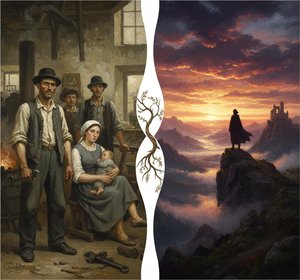
Romantic Realism's Finest: 10 Masterpieces for Your Home | ArtsDot
Explore 10 defining masterpieces of Romantic Realism! Discover Courbet, Millet & Daumier's powerful paintings—capturing emotion and social realities. Find museum-quality reproductions for your home at ArtsDot.com.

19th Century Masterpieces: 10 Paintings That Defined an Era | ArtsDot
Journey through 19th century art with ArtsDot! Explore 10 iconic paintings – from Monet & Renoir to Courbet – and discover the stories behind Romanticism, Realism & Impressionism. Find museum-quality reproductions for your home decor. Explore the full collection online!
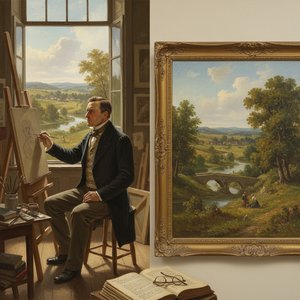
The Poetic Truth of Observation: Exploring 19th-Century Realism in Painting
Explore the captivating world of 19th-century Realism! Discover key artists like Courbet & Millet, masterpieces, and the powerful social commentary behind this influential art movement. Expert insights at ArtsDot.
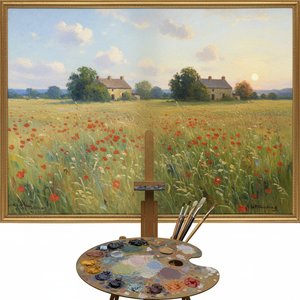
Impressionistic Realism: Bridging Perception & Representation in 19th-Century Painting
Explore the fascinating intersection of Impressionistic Realism! Discover how 19th-century artists balanced subjective perception with objective representation, revolutionizing art history. Learn about key techniques & masters.

