

 Preview
 Send
Send Share
Share
 Details

 Download
 Similars
 X-Ray
X-Ray Diaporama
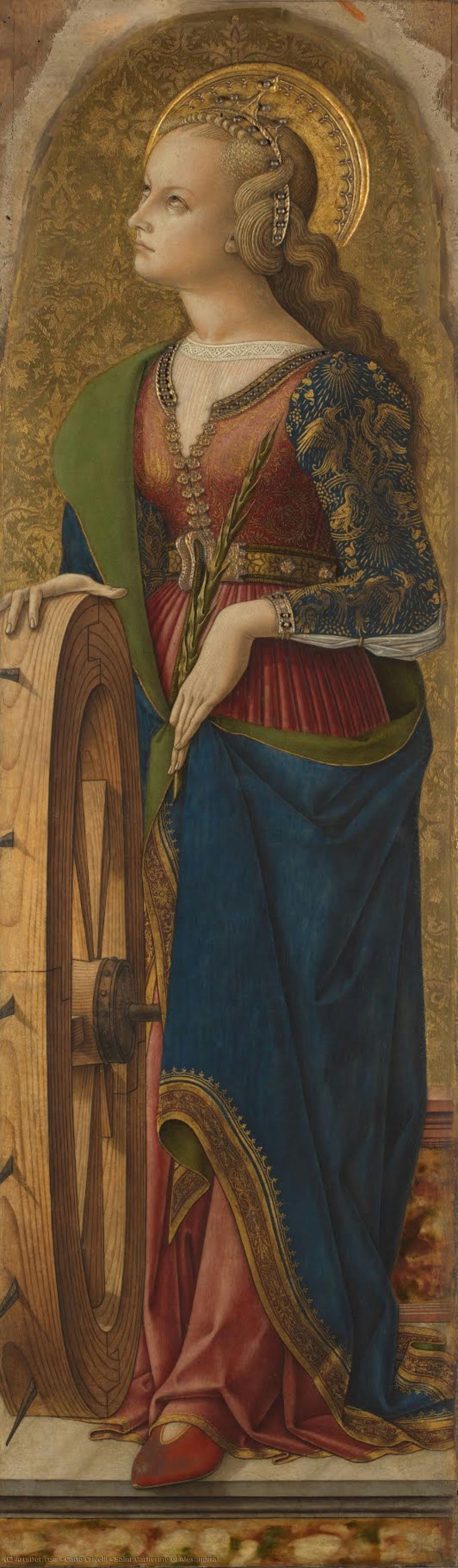
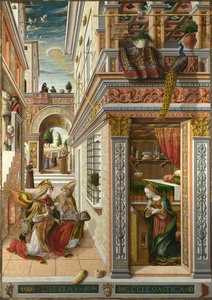
Saint Catherine of Alexandria
 Oil On Panel
- Early Renaissance
 1476
1476 137.0 x 40.0 cm
 National Gallery
 Read More
Purchase a high-resolution, enhanced digital image, far superior to the online preview.
Each file is meticulously prepared by our in-house specialists using advanced tools and expert manual retouching. We ensure every image has exceptional clarity, precise color accuracy, and fine detail.
The final file is delivered via email within 72 hours, optimized for immediate use in professional, editorial, and print environments. This is the same quality trusted by top-tier design studios, publishers, and galleries.
Digital Image
Download a high-resolution file for personal display, printing, and creative projects. ( Buy Print Buy Hand Made Painting)
Included in Every Digital Image Order
Expert Digital Delivery, Guaranteed
When you choose ArtsDot.com, you're not just getting an image - you're receiving a professionally enhanced digital artwork, crafted with precision and backed by a satisfaction guarantee. Here's everything that comes with your order, automatically:

Fast Email Delivery
Your high-resolution digital image file will be emailed to you within 72 hours of ordering - ready for immediate use.

AI-Enhanced Digital File
Your artwork is professionally optimized using advanced AI tools and manual editing, ensuring maximum detail, clarity, and color accuracy.

Free Lifetime Re-Delivery
Accidentally deleted or lost your file? No worries - we'll resend it to you anytime, free of charge.

No Import Fees - Ever
Enjoy your artwork instantly with zero customs, duties, or delivery fees - digital downloads are always tax-free.

Color Accuracy Guarantee
We ensure your digital image reflects the original colors as closely as possible using professional tools and color management.

60-Day Satisfaction Guarantee
If you're not satisfied with your digital image, we'll revise it or refund 100% within 60 days - no questions asked.

100% Money-Back Guarantee
Not satisfied? Get a full refund within 60 days of receiving your digital file - no questions asked.

Bulk Order Discounts
Buy 3 images, save 10% - Buy 5, save 15% - Buy 10+, save 20%. Great for creative projects, galleries, and agencies.
Collectible Description
A Vision in Gold: Carlo Crivelli’s Saint Catherine of Alexandria
Carlo Crivelli's "Saint Catherine of Alexandria," painted around 1476, is more than just a devotional image; it’s a meticulously crafted window into the artistic sensibilities of early Renaissance Italy. This vertical panel, housed within the Dominican church in Ascoli Piceno, immediately captivates with its opulent use of gold and a serene portrayal of a figure steeped in both religious significance and classical beauty. Crivelli, a master of his time, skillfully balances the influence of Venetian masters like Vivarini with a distinctly personal style—a conservative elegance that sets him apart from the burgeoning naturalism of Florence.
The painting depicts Saint Catherine, a revered martyr known for her wisdom, courage, and unwavering faith. Traditionally depicted as having been a princess who confronted an emperor and converted him to Christianity, she is here presented with characteristic attributes: a spiked wheel, symbolizing her martyrdom, and a palm branch, representing victory over evil. Crivelli’s choice of subject reflects the saint's role as patron of scholars and libraries – a testament to the importance of knowledge and faith in his era.
A Symphony of Detail: Technique and Materials
Crivelli’s technique is characterized by an extraordinary attention to detail, a hallmark of his style. He employs tempera on panel, a medium known for its luminosity and ability to build up rich colors through thin, translucent glazes. This layering creates a remarkable sense of depth and texture, particularly evident in the folds of Catherine's elaborate garments – a deep blue gown adorned with shimmering gold embroidery, a vibrant red cloak, and a striking green sash. The use of *trompe l’oeil*, or illusionistic painting, is subtly integrated; the raised pelicans and phoenixes embroidered on her sleeves appear almost three-dimensional, drawing the viewer into the scene.
The background, rendered in dark hues, serves to heighten the brilliance of the figure. Notice how Crivelli masterfully uses foreshortening – a technique borrowed from Northern Renaissance painters – to create an acute angle for the wheel, emphasizing its dramatic presence and adding a dynamic element to the composition. The careful modeling of the marble shelf upon which Catherine stands further enhances this sense of spatial depth.
Symbolism and Spiritual Resonance
Beyond the immediate depiction of Saint Catherine, the painting is laden with symbolic meaning. The golden halo encircling her head signifies her sanctity and divine connection. The spiked wheel, a potent symbol of suffering and sacrifice, underscores her martyrdom. The inclusion of animals – pelicans representing Christ’s sacrifice and phoenixes symbolizing resurrection – reinforces the central themes of faith, redemption, and hope.
Furthermore, Crivelli's choice of materials—the rich fabrics, the shimmering gold leaf—reflects the wealth and status associated with the Dominican Order and the importance of religious patronage during the late 15th century. The painting wasn’t merely a devotional image; it was an investment in faith, a testament to the power of art to inspire piety and elevate the soul.
A Timeless Masterpiece: Reproduction and Legacy
“Saint Catherine of Alexandria” stands as a remarkable example of early Renaissance artistry—a synthesis of Venetian elegance, Northern realism, and profound spiritual symbolism. Reproductions capture much of this beauty, offering an accessible way to experience the painting’s captivating details and emotional resonance. When selecting a reproduction, consider materials that faithfully replicate Crivelli's original techniques – high-quality canvas or paper with archival inks—to ensure that the artwork retains its luminosity and depth for generations to come.
Whether displayed in a private collection or adorning a sacred space, this painting continues to inspire awe and contemplation. It’s a reminder of the enduring power of art to connect us to our past, illuminate our present, and offer glimpses into the mysteries of faith and human experience.
Related Artworks



Artist Biography
early life and training
carlo crivelli, an italian renaissance painter, was born in venice around 1430-35. he came from a family of painters and received his artistic formation in venice and padua. crivelli's early training is believed to have been under jacobello del fiore, who was still active in 1436. he also studied at the school of vivarini in venice.
career and style
crivelli spent his early years in the veneto, absorbing influences from vivarini, squarcione, and mantegna. by 1458, he left the veneto and spent most of his career in the march of ancona, developing a distinctive personal style that contrasts with that of his venetian contemporary giovanni bellini. crivelli's work is characterized by a conservative late gothic decorative sensibility, marked by a linear quality, attention to detail, and the use of "trompe l'oeil" techniques.
notable works and collaborations
* carlo crivelli's painting "madonna and child enthroned" (106 x 55 cm, museum of fine arts, budapest, hungary) is a prime example of his style. * he collaborated with his younger brother vittorio crivelli on several projects. * pietro alemanno, a painter who immigrated to the march of ancona from germany/austria, was his pupil and collaborator.
museums and collections
* the pinacoteca di brera in milan, italy, features several of crivelli's works, including "pietà" (128 x 241 cm). * the museum san giovanni in bragora in venice, italy, has a collection of artworks from various periods and styles, including some attributed to crivelli.
- view carlo crivelli's artworks on ArtsDot.com
- explore jacopo robusti's works on ArtsDot.com
- read more about carlo crivelli on wikipedia
crivelli's legacy continues to inspire art enthusiasts and scholars alike, with his work remaining a testament to the enduring power of conservative late gothic decorative sensibility.
Carlo Crivelli
1435 - 1495 , Italy
Quick Facts
- Artistic Movement Or Style: Late Gothic/Renaissance
- Artists Or Movements Influenced By This Artist: ['Giovanni Bellini']
- Artists Who Influenced This Artist:
- Jacobello del Fiore
- Vivarini
- Squarcione
- Mantegna
- Date Of Birth: c. 1430-35 Venice
- Date Of Death: c. 1495 Italy
- Full Name: Carlo Crivelli
- Nationality: Italian
- Notable Artworks:
- Madonna and Child
- Saint Bartholomew
- Saint Roch
- Place Of Birth: Venice, Italy

