

 Preview
 Send
Send Share
Share
 Details

 Download
 Similars
 X-Ray
X-Ray Diaporama
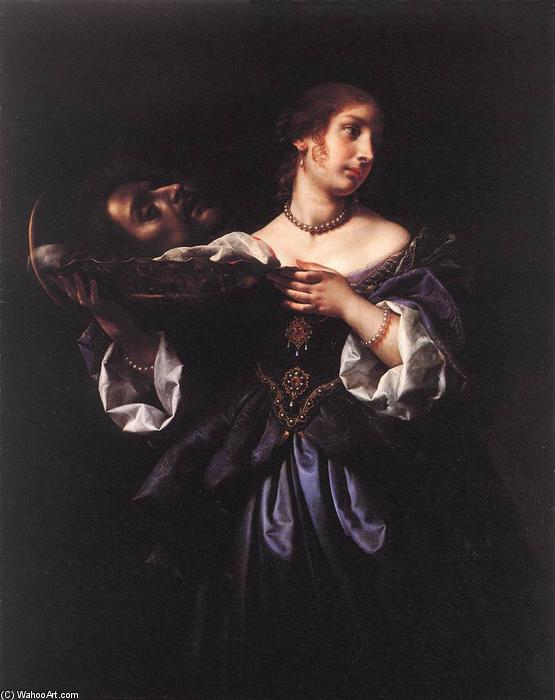
Salome with the Head of St John the Baptist
 Oil On Canvas
- WallArt
- Baroque
 1665
1665- Early Modern
 122.0 x 96.0 cm
 Royal Collection
 Read More
Purchase a high-resolution, enhanced digital image, far superior to the online preview.
Each file is meticulously prepared by our in-house specialists using advanced tools and expert manual retouching. We ensure every image has exceptional clarity, precise color accuracy, and fine detail.
The final file is delivered via email within 72 hours, optimized for immediate use in professional, editorial, and print environments. This is the same quality trusted by top-tier design studios, publishers, and galleries.
Digital Image
Download a high-resolution file for personal display, printing, and creative projects. ( Buy Print Buy Hand Made Painting)
Included in Every Digital Image Order
Expert Digital Delivery, Guaranteed
When you choose ArtsDot.com, you're not just getting an image - you're receiving a professionally enhanced digital artwork, crafted with precision and backed by a satisfaction guarantee. Here's everything that comes with your order, automatically:

Fast Email Delivery
Your high-resolution digital image file will be emailed to you within 72 hours of ordering - ready for immediate use.

AI-Enhanced Digital File
Your artwork is professionally optimized using advanced AI tools and manual editing, ensuring maximum detail, clarity, and color accuracy.

Free Lifetime Re-Delivery
Accidentally deleted or lost your file? No worries - we'll resend it to you anytime, free of charge.

No Import Fees - Ever
Enjoy your artwork instantly with zero customs, duties, or delivery fees - digital downloads are always tax-free.

Color Accuracy Guarantee
We ensure your digital image reflects the original colors as closely as possible using professional tools and color management.

60-Day Satisfaction Guarantee
If you're not satisfied with your digital image, we'll revise it or refund 100% within 60 days - no questions asked.

100% Money-Back Guarantee
Not satisfied? Get a full refund within 60 days of receiving your digital file - no questions asked.

Bulk Order Discounts
Buy 3 images, save 10% - Buy 5, save 15% - Buy 10+, save 20%. Great for creative projects, galleries, and agencies.
Collectible Description
A Masterpiece of Baroque Devotion
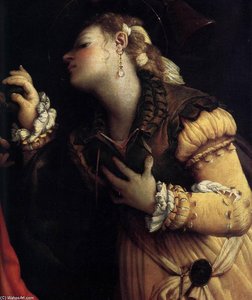
In the quiet, evocative depths of Carlo Dolci’s 1665 masterpiece, Salome with the Head of St John the Baptist, viewers are invited into a moment of profound psychological tension and spiritual weight. This oil on canvas, a jewel of the Florentine Baroque, transcends mere biblical illustration to become an intimate study of guilt, consequence, and the heavy burden of desire. The scene captures the chilling climax of the biblical narrative: Salome, having danced for King Herod, presents the severed head of St John the Baptist upon a silver platter. Yet, rather than a triumph of vengeance, Dolci offers us a portrait of haunting introspection. As she gazes away from her grisly prize, her expression is not one of malice, but of a complex, lingering remorse that pulls at the heartstrings of every observer.
The artistry of Dolci is nothing short of extraordinary, characterized by a meticulousness that defines the Florentine School. Every inch of the canvas serves to heighten the sensory experience; the cool, luminous sheen of the silver platter contrasts sharply with the rich, deep blues of Saloste's attire and the delicate, translucent quality of her skin. His technique involves incredibly fine brushstrokes that create a sense of tangible texture—from the intricate patterns of her jewelry to the soft, tragic realism of the saint's features. This level of detail does not merely showcase technical prowess; it serves a higher purpose, drawing the eye into the minute details of the tragedy and forcing a confrontation with the physical reality of the scene.
Symbolism and the Florentine Spirit
Beyond its surface beauty, the painting is steeped in the symbolic language of 17th-century Italy. The interplay of light and shadow—a hallmark of the Baroque era—acts as a metaphor for the struggle between earthly passion and divine justice. The heavy, dark background pushes the figures forward, creating an almost sculptural presence that commands the room. For the collector or interior designer, this piece offers more than just decoration; it provides a focal point of intellectual and emotional depth. The necklace adorning both Salome and the saint serves as a subtle, tragic link between the perpetrator and the victim, binding them together in a permanent, painted tragedy.
For those seeking to adorn a space with art that inspires conversation and reflection, a high-quality reproduction of this work brings a sense of historical grandeur and sophisticated drama. Whether placed in a formal study or a curated gallery wall, the painting’s ability to evoke empathy and awe makes it an incomparable addition to any collection. It is a testament to Dolci's enduring legacy—a painter who could capture the most violent of human acts and transform them into a silent, beautiful prayer of contemplation.
Related Artworks

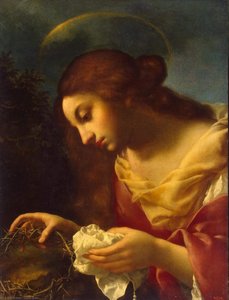
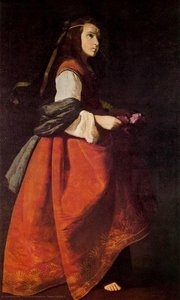
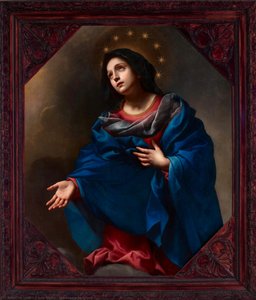
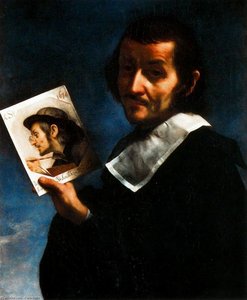
Artist Biography
A Florentine Master of Baroque Piety
Carlo Dolci, born in Florence in 1616, stands as a compelling figure within the Italian Baroque landscape—a painter whose intensely devotional works and meticulous technique secured his place among the most sought-after artists of his era. Unlike many contemporaries drawn to the dramatic grandeur of Rome, Dolci remained steadfastly rooted in Florentine tradition, cultivating a style characterized by quiet intensity and profound spiritual depth. His life unfolded against a backdrop of artistic fervor, yet he carved a unique path defined not by prolific output but by an unwavering commitment to detail and emotional resonance. From his earliest training under Jacopo Vignali, Dolci demonstrated a precocious talent, quickly establishing a reputation for precision that would become the hallmark of his oeuvre. He wasn’t driven by expansive compositions or dynamic narratives; instead, he focused on intimate portrayals of religious subjects, often repeating favored themes across multiple versions—a testament to their enduring appeal and perhaps reflective of his methodical approach.Early Life and Artistic Formation
Dolci's artistic journey began within a family already touched by creativity, providing an early nurturing ground for his innate abilities. Apprenticed to Jacopo Vignali at a remarkably young age, he absorbed the lessons of a master known for dramatic flair, yet Dolci soon began to forge his own distinct voice. Even as a boy, his dedication to capturing minute details and conveying emotional weight was evident. Stories abound of his painstaking approach—a commitment so thorough that it reportedly took weeks to complete even a single limb on a figure. This deliberate pace wasn’t born of slowness but rather an intense desire for perfection, a striving to imbue each brushstroke with spiritual significance. He quickly gained recognition within Florentine circles, attracting commissions from prominent families and establishing his workshop before reaching adulthood. While other artists sought the bustling artistic scene of Rome, Dolci remained in Florence, deeply connected to its traditions and patrons. This steadfast loyalty to his native city shaped not only his career but also the very essence of his art.Style and Notable Works
Dolci’s style is immediately recognizable—a harmonious blend of rich color, meticulous detail, and profound emotional expression. His paintings aren't about grand spectacle; they are intimate encounters with faith, rendered with a tenderness that invites contemplation. He frequently depicted scenes from the lives of saints and biblical narratives, focusing on moments of quiet devotion or poignant suffering. St Sebastian, for example, is not portrayed as a heroic martyr but as a figure consumed by spiritual anguish, his body exquisitely rendered to emphasize vulnerability rather than strength. Similarly, his depictions of the four Evangelists reveal a deep understanding of human psychology, capturing their individual personalities with remarkable sensitivity. Christ Breaking the Bread, another celebrated work, exemplifies his ability to convey sacred moments with understated grace and emotional power. His daughter, Agnese Dolci, played an important role in disseminating his artistic vision, skillfully creating copies of her father’s paintings that further extended his reach and influence. These reproductions, while not original creations, attest to the demand for Dolci's work and the enduring appeal of his style.Legacy and Historical Significance
Carlo Dolci’s impact on Florentine art is undeniable. He stands as a key figure in the development of the Baroque style within the city, contributing significantly to its rich artistic heritage. While influenced by earlier masters like Giovanni Bellini and Bramantino, he forged his own unique path, characterized by a quiet intensity and devotional focus that set him apart from many of his contemporaries. His paintings continue to grace prestigious institutions such as the Uffizi Gallery in Florence, where the Contini Bonacossi Collection offers a particularly rich representation of his oeuvre. The enduring appeal of Dolci’s work lies not only in its technical brilliance but also in its ability to evoke profound spiritual emotions. He wasn't merely painting religious scenes; he was creating visual meditations on faith, inviting viewers to connect with the divine on a deeply personal level. His legacy extends beyond his paintings—he represents a commitment to artistic excellence and a belief in the power of art to inspire piety and contemplation. Even today, exploring Dolci’s masterpieces offers a glimpse into the heart of 17th-century Florence and the enduring power of Baroque artistry.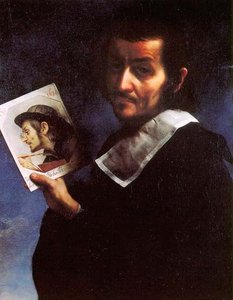
Carlo Dolci
1616 - 1686 , Italy
Quick Facts
- Artistic Movement Or Style: Baroque
- Artists Or Movements Influenced By This Artist: ['Agnese Dolci']
- Artists Who Influenced This Artist: ['Jacopo Vignali']
- Date Of Birth: May 25, 1616
- Date Of Death: January 17, 1686
- Full Name: Carlo Dolci
- Nationality: Italian
- Notable Artworks:
- St Sebastian
- Christ Breaking Bread
- The Guardian Angel
- Moses
- Place Of Birth: Florence, Italy

