

 Preview
 Send
Send Share
Share
 Details

 Download
 Similars
 X-Ray
X-Ray Diaporama
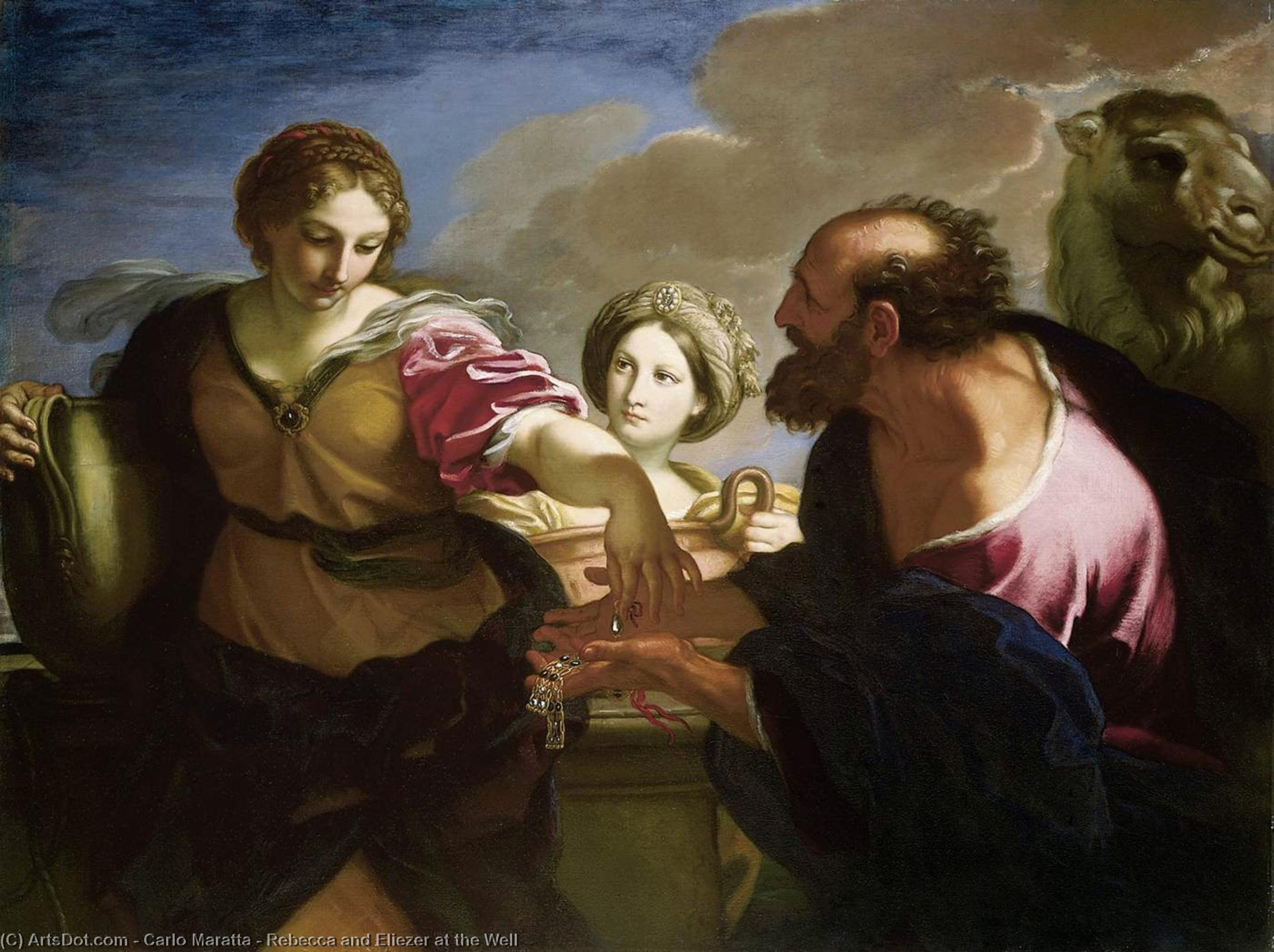
Rebecca and Eliezer at the Well
 Oil On Canvas
- WallArt
- Baroque Classicizing Style
 1655
1655 119.0 x 157.0 cm
 Museum of Art
 Read More
Purchase a high-resolution, enhanced digital image, far superior to the online preview.
Each file is meticulously prepared by our in-house specialists using advanced tools and expert manual retouching. We ensure every image has exceptional clarity, precise color accuracy, and fine detail.
The final file is delivered via email within 72 hours, optimized for immediate use in professional, editorial, and print environments. This is the same quality trusted by top-tier design studios, publishers, and galleries.
Digital Image
Download a high-resolution file for personal display, printing, and creative projects. ( Buy Print Buy Hand Made Painting)
Included in Every Digital Image Order
Expert Digital Delivery, Guaranteed
When you choose ArtsDot.com, you're not just getting an image - you're receiving a professionally enhanced digital artwork, crafted with precision and backed by a satisfaction guarantee. Here's everything that comes with your order, automatically:

Fast Email Delivery
Your high-resolution digital image file will be emailed to you within 72 hours of ordering - ready for immediate use.

AI-Enhanced Digital File
Your artwork is professionally optimized using advanced AI tools and manual editing, ensuring maximum detail, clarity, and color accuracy.

Free Lifetime Re-Delivery
Accidentally deleted or lost your file? No worries - we'll resend it to you anytime, free of charge.

No Import Fees - Ever
Enjoy your artwork instantly with zero customs, duties, or delivery fees - digital downloads are always tax-free.

Color Accuracy Guarantee
We ensure your digital image reflects the original colors as closely as possible using professional tools and color management.

60-Day Satisfaction Guarantee
If you're not satisfied with your digital image, we'll revise it or refund 100% within 60 days - no questions asked.

100% Money-Back Guarantee
Not satisfied? Get a full refund within 60 days of receiving your digital file - no questions asked.

Bulk Order Discounts
Buy 3 images, save 10% - Buy 5, save 15% - Buy 10+, save 20%. Great for creative projects, galleries, and agencies.
Collectible Description
Rebecca and Eliezer at the Well: A Masterpiece of Classical Serenity
Carlo Maratta’s “Rebecca and Eliezer at the Well,” completed in 1655, stands as a testament to the enduring power of biblical narratives rendered with meticulous detail and profound emotional resonance. Located within the Jane H. Fortune Gallery of the Indianapolis Museum of Art (accession number 1988.70), this oil on canvas painting transcends mere depiction; it embodies a philosophical commitment to classical ideals that distinguishes Maratta from his contemporaries.
Maratta’s artistic vision prioritizes clarity and balance, mirroring the principles championed by Andrea Sacchi during his formative years. He eschews flamboyant theatricality in favor of a restrained aesthetic focused on conveying spiritual significance through carefully considered composition and expressive facial portrayals. The artist dramatically reduces the story to its core elements—Eliezer, Rebecca, and one additional woman—allowing for an intensified focus on their emotive responses.
- Composition & Style: Maratta’s masterful technique exemplifies the classicalizing style prevalent in Rome during his era. The scene unfolds with a deliberate symmetry, reflecting Renaissance artistic conventions and emphasizing harmonious proportions. This stylistic choice underscores Maratta's dedication to intellectual rigor alongside visual beauty.
- Technique: Employing glazing techniques—a hallmark of Baroque painting—Maratta achieves luminous color palettes and subtle tonal gradations that imbue the canvas with an ethereal quality. The artist meticulously renders textures, capturing the folds of Rebecca’s dress and the weathered stone of the well with remarkable accuracy.
- Symbolism: Beyond its narrative depiction, “Rebecca and Eliezer at the Well” is laden with symbolic significance. Rebecca's selection of a pearl—a gesture mirroring Mary’s acceptance of divine grace—represents purity and virtue. The unbroken vases held by Rebecca and the unnamed woman symbolize holiness and virginity, reinforcing the biblical prefiguration of Christ’s incarnation.
- Historical Context: Painted during Maratta’s prolific career—spanning from 1625 to 1713—the artwork reflects the artistic fervor of the Papal Court under Pope Innocent X. It exemplifies a shift away from the turbulent emotionalism of earlier Baroque painters toward a more contemplative and intellectually stimulating aesthetic.
- Emotional Impact: The painting’s serene countenance evokes feelings of tranquility and reverence, mirroring Maratta's own stylistic approach to portraying religious subjects. Its enduring appeal lies in its ability to communicate profound spiritual truths through understated beauty and masterful execution—a legacy that continues to inspire artists and collectors alike.
The Indianapolis Museum of Art’s acquisition of “Rebecca and Eliezer at the Well” in 1988 solidified its place within a broader collection dedicated to European art history, alongside works by Rembrandt Van Rijn (“An Old Woman Reading”) and Thomas Gibson (“James Johnston”). Considering similar artistic styles and themes offers valuable insight into Maratta's contribution to Baroque painting’s enduring influence.
Related Artworks


Artist Biography
A Roman Master of the Baroque Classicizing Style
Carlo Maratta, often known as Maratti, stands as a pivotal figure in 17th-century Italian painting, embodying the transition from the High Baroque to a more refined and classically inspired aesthetic. Born on May 15, 1625, in Camerano, within the Papal States—now part of Italy—his artistic journey began with an early move to Rome at the age of eleven. This relocation proved transformative, as he entered the studio of Andrea Sacchi, a painter renowned for his measured compositions and commitment to classical ideals. Sacchi’s influence would profoundly shape Maratta's developing style, instilling in him a dedication to clarity, balance, and a restrained emotionalism that distinguished him from more flamboyant Baroque contemporaries. This apprenticeship wasn’t merely technical training; it was an immersion into a philosophical approach to art, one prioritizing intellectual rigor and harmonious design over dramatic spectacle. Maratta absorbed these principles, yet he wouldn't remain solely within their confines, demonstrating a remarkable ability to synthesize classical foundations with the prevailing currents of Baroque sensibility.The Flourishing Career in Rome
Maratta’s talent quickly blossomed, and by the mid-1650s, he had already begun attracting significant commissions. His early works, such as *The Visitation* (1656) for Santa Maria della Pace, reveal a masterful command of light and movement, coupled with an emerging ability to imbue religious scenes with a palpable sense of spiritual depth. He wasn’t simply replicating established models; he was infusing them with his own unique vision, characterized by graceful figures, elegant drapery, and a subtle yet powerful use of color. This period also saw the creation of *The Mystery of the Trinity Revealed to St. Augustine* (circa 1655), a work that exemplifies his skill in balancing classical idealism with Baroque dynamism. As his reputation grew, so did the scale and prestige of his commissions. He became a favored artist among prominent Roman families and, crucially, the papacy itself. Over the course of six decades, Maratta received patronage from no fewer than six popes—a testament to his artistic prowess and political acumen. This consistent papal support not only provided financial security but also positioned him at the very heart of Rome’s artistic and cultural life.A Synthesis of Styles and Influences
Maratta's style is often described as “classicizing Baroque,” a term that encapsulates his unique position within the art historical landscape. While deeply rooted in the classical tradition stemming from Raphael, he wasn’t immune to the influence of the more theatrical tendencies of the Baroque. His contemporary, Giovanni Bellori, recognized this synthesis, documenting Maratta's artistic approach in an early biography. The artist skillfully integrated the dramatic use of light and shadow characteristic of Baroque painting with the clarity of form and compositional balance favored by classicists. This fusion resulted in works that were both emotionally engaging and intellectually satisfying. His palette, while vibrant, was often restrained, prioritizing harmonious color relationships over bold contrasts. He excelled at depicting religious narratives, imbuing them with a sense of reverence and spiritual intensity. *The Appearance of the Virgin to St. Philip Neri* (circa 1675), now housed in the Pitti Palace in Florence, is a prime example of his ability to interpret such themes with grace and profound emotional resonance.Beyond Painting: Restoration and Legacy
Maratta’s contributions extended beyond creating new artworks; he was also entrusted with preserving the artistic heritage of Rome. In 1702-1703, Innocent XI appointed him *surintendent des chambres du vatican* and tasked him with repairing the frescoes of Raphael in the Vatican Stanze—a responsibility that underscored his status as a leading authority on classical art. This undertaking wasn’t merely a matter of technical restoration; it was an act of reverence for one of Italy's greatest artistic treasures, entrusted to a master who understood its significance. Maratta continued working prolifically until his death in Rome on December 15, 1713, leaving behind a vast and influential body of work. His legacy as a master of the late Baroque classicizing manner endured throughout the 18th century, influencing generations of artists with his emphasis on clarity, balance, and harmonious composition. Today, his paintings can be found in museums worldwide, including those featured on platforms like ArtsDot.com, ensuring that his artistic vision continues to inspire and captivate audiences for years to come.Key Works & Lasting Impact
- Apollo Chasing Daphne: A dynamic depiction of the classical myth, showcasing Maratta’s skill in portraying movement and emotion.
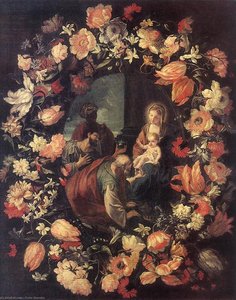
- Adoration of the Magi (in Garland): A richly detailed composition that exemplifies his mastery of color and form.
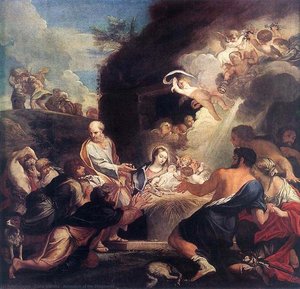
- Adoration of the Shepherds: A Baroque masterpiece from 1690, celebrated for its divine symbolism and dynamic arrangement.
- The Visitation: An early work demonstrating Maratta’s emerging talent for light and movement within a religious context.
- The Mystery of the Trinity Revealed to St. Augustine: A compelling example of his ability to blend classical idealism with Baroque elements.

Carlo Maratta
1625 - 1713 , Italy
Quick Facts
- Artistic Movement Or Style: Baroque classicism
- Artists Or Movements Influenced By This Artist: ['18th-century art']
- Artists Who Influenced This Artist: ['Andrea Sacchi']
- Date Of Birth: May 15, 1625
- Date Of Death: 1713
- Full Name: Carlo Maratta
- Nationality: Italian
- Notable Artworks:
- The Visitation
- Trinity Revealed
- St. Philip Neri
- Apollo Chasing Daphne
- Adoration of Magi
- Adoration Shepherds
- Place Of Birth: Camerano, Italy

