

 Preview
 Send
Send Share
Share
 Details

 Download
 Similars
 X-Ray
X-Ray Diaporama
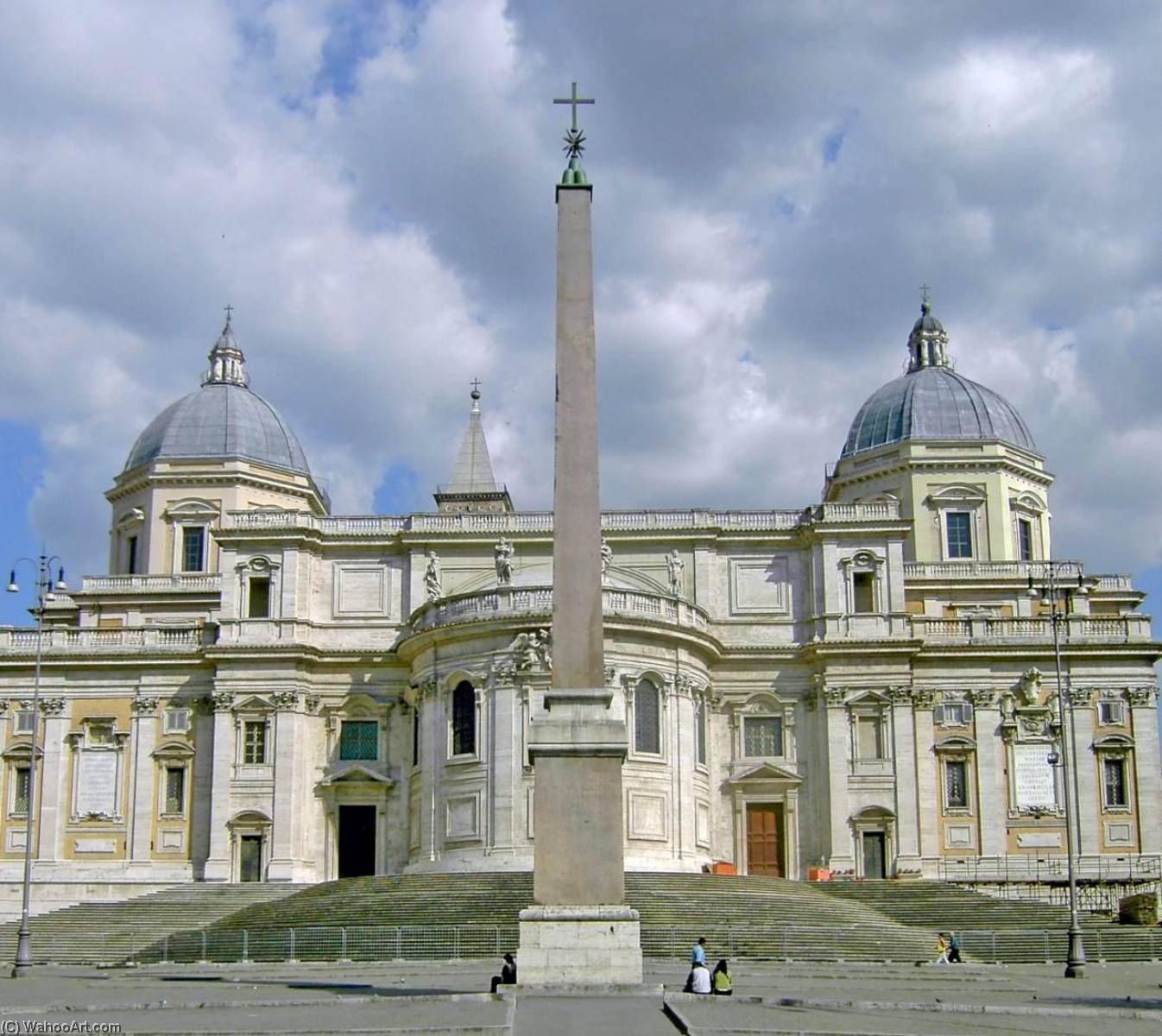
Santa Maria Maggiore Exterior view of the apse area


 Read More
Purchase a high-resolution, enhanced digital image, far superior to the online preview.
Each file is meticulously prepared by our in-house specialists using advanced tools and expert manual retouching. We ensure every image has exceptional clarity, precise color accuracy, and fine detail.
The final file is delivered via email within 72 hours, optimized for immediate use in professional, editorial, and print environments. This is the same quality trusted by top-tier design studios, publishers, and galleries.
Digital Image
Download a high-resolution file for personal display, printing, and creative projects. ( Buy Print Buy Hand Made Painting)
Included in Every Digital Image Order
Expert Digital Delivery, Guaranteed
When you choose ArtsDot.com, you're not just getting an image - you're receiving a professionally enhanced digital artwork, crafted with precision and backed by a satisfaction guarantee. Here's everything that comes with your order, automatically:

Fast Email Delivery
Your high-resolution digital image file will be emailed to you within 72 hours of ordering - ready for immediate use.

AI-Enhanced Digital File
Your artwork is professionally optimized using advanced AI tools and manual editing, ensuring maximum detail, clarity, and color accuracy.

Free Lifetime Re-Delivery
Accidentally deleted or lost your file? No worries - we'll resend it to you anytime, free of charge.

No Import Fees - Ever
Enjoy your artwork instantly with zero customs, duties, or delivery fees - digital downloads are always tax-free.

Color Accuracy Guarantee
We ensure your digital image reflects the original colors as closely as possible using professional tools and color management.

60-Day Satisfaction Guarantee
If you're not satisfied with your digital image, we'll revise it or refund 100% within 60 days - no questions asked.

100% Money-Back Guarantee
Not satisfied? Get a full refund within 60 days of receiving your digital file - no questions asked.

Bulk Order Discounts
Buy 3 images, save 10% - Buy 5, save 15% - Buy 10+, save 20%. Great for creative projects, galleries, and agencies.
Related Artworks









Artist Biography
Carlo Rainaldi: Architect of Roman Grandeur
Carlo Rainaldi (1611-1691) stands as a pivotal figure in the transition from Mannerism to Baroque architecture, a master craftsman who shaped the very fabric of Rome during a period of immense artistic and political change. More than simply a builder, Rainaldi was an architect deeply embedded within the cultural currents of his time – a gentleman scholar, a musician, and a keen observer of human experience, all reflected in the monumental beauty of his creations. His legacy isn’t solely defined by individual buildings but by the way he synthesized diverse influences to create a distinctly Roman style that continues to resonate today.
- Early Life and Training: Born into an established artistic family – his father, Girolamo Rainaldi, was a respected Mannerist architect – Carlo’s early education laid the foundation for his future success. He received a comprehensive humanist training, encompassing rhetoric, music theory, and art history, skills that would prove invaluable in shaping his architectural vision. This broad intellectual base distinguished him from many of his contemporaries, allowing him to approach design with a sophisticated understanding of proportion, harmony, and visual effect.
- Collaboration and Apprenticeship: Rainaldi’s early career was largely spent working alongside his father, absorbing the principles of Mannerist architecture while simultaneously developing his own distinct style. This period provided crucial experience in the practicalities of construction and allowed him to hone his technical skills.
The Rise to Prominence: Patronage and Papal Influence
Rainaldi’s trajectory shifted dramatically with the accession of Pope Urban VIII (Barberini) in 1623, ushering in a new era of Baroque extravagance. While his father had previously worked for the Farnese family, Rainaldi quickly gained prominence through his association with the Barberini papacy. This patronage afforded him access to significant commissions and allowed him to fully embrace the dynamic, emotionally charged style that characterized the period. The shift from the more restrained aesthetic of the previous era to the exuberant Baroque was a direct consequence of this papal support.
- Competing with Bernini: Rainaldi’s rise coincided with the ascendancy of Gian Lorenzo Bernini, and their rivalry became a defining feature of 17th-century Rome. While Bernini excelled in dramatic sculpture and theatrical design, Rainaldi focused on creating monumental facades and interiors that emphasized grandeur, clarity, and spatial harmony.
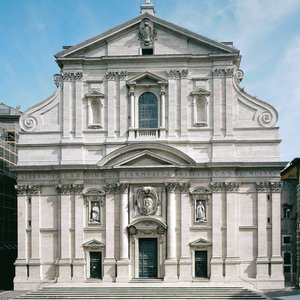
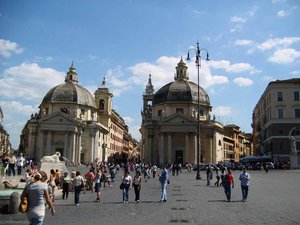
- Key Commissions: He secured prestigious commissions including the façade of Sant’Andrea della Valle (1661–1665), a masterpiece showcasing his mastery of classical forms infused with Baroque dynamism; the twin churches of Santa Maria dei Miracoli and Santa Maria in Montesanto, demonstrating his ability to create balanced and harmonious compositions; and the elaborate interiors of several Roman basilicas.
Architectural Style and Techniques
Rainaldi’s architectural style is characterized by a remarkable synthesis of influences – Mannerist precision, classical proportions, and Baroque dynamism. He skillfully blended these elements to create buildings that were both monumental and elegant, imposing yet inviting. His use of light and shadow, particularly in his facade designs, was exceptionally sophisticated, creating dramatic effects that enhanced the visual impact of his structures.
- Facades as Statements: Rainaldi’s facades are arguably his most celebrated achievements. He employed a meticulous approach to detailing, incorporating intricate carvings, classical orders, and dynamic spatial arrangements. The façade of Sant’Andrea della Valle, with its soaring dome and dramatic interplay of light and shadow, exemplifies this style perfectly.
- Interior Design: Beyond facades, Rainaldi also excelled in interior design, creating richly decorated chapels, altars, and tombs that reflected the grandeur of the buildings they adorned. His work often featured elaborate frescoes, sculptures, and stucco decorations.
Legacy and Historical Significance
Carlo Rainaldi’s impact on Roman architecture is profound. He played a crucial role in shaping the visual landscape of the city during a period of immense artistic innovation. His work represents a pivotal moment in the transition from Mannerism to Baroque, demonstrating the ability of an architect to synthesize diverse influences and create a uniquely Roman style. His designs continue to inspire awe and admiration, serving as enduring testaments to his skill, vision, and understanding of the human experience.
- Influence on Subsequent Architects: Rainaldi’s work influenced subsequent generations of architects, particularly in the development of Baroque facades and interiors.
- Sant'Agnese in Agone: His design for Sant’Agnese in Agone (1652), a monumental basilica dedicated to Saint Agnes, stands as one of his most ambitious and successful projects, showcasing his mastery of scale, proportion, and spatial arrangement.
Rainaldi's buildings are not merely structures; they are embodiments of the spirit of 17th-century Rome – a testament to the city’s artistic vitality and its enduring legacy as a center of culture and innovation.
Quick Facts
- Artistic Movement Or Style: Baroque Architecture
- Artists Or Movements Influenced By This Artist: ['Francesco Fontana']
- Artists Who Influenced This Artist:
- Girolamo Rainaldi
- Bernini
- Date Of Death: 1691
- Full Name: Carlo Rainaldi
- Nationality: Italian
- Notable Artworks:
- Sant'Andrea della Valle Façade
- Sant’Agnese in Agone
- Twin churches
- Place Of Birth: Rome, Italy

