

 Preview
 Send
Send Share
Share
 Details

 Download
 Similars
 X-Ray
X-Ray Diaporama
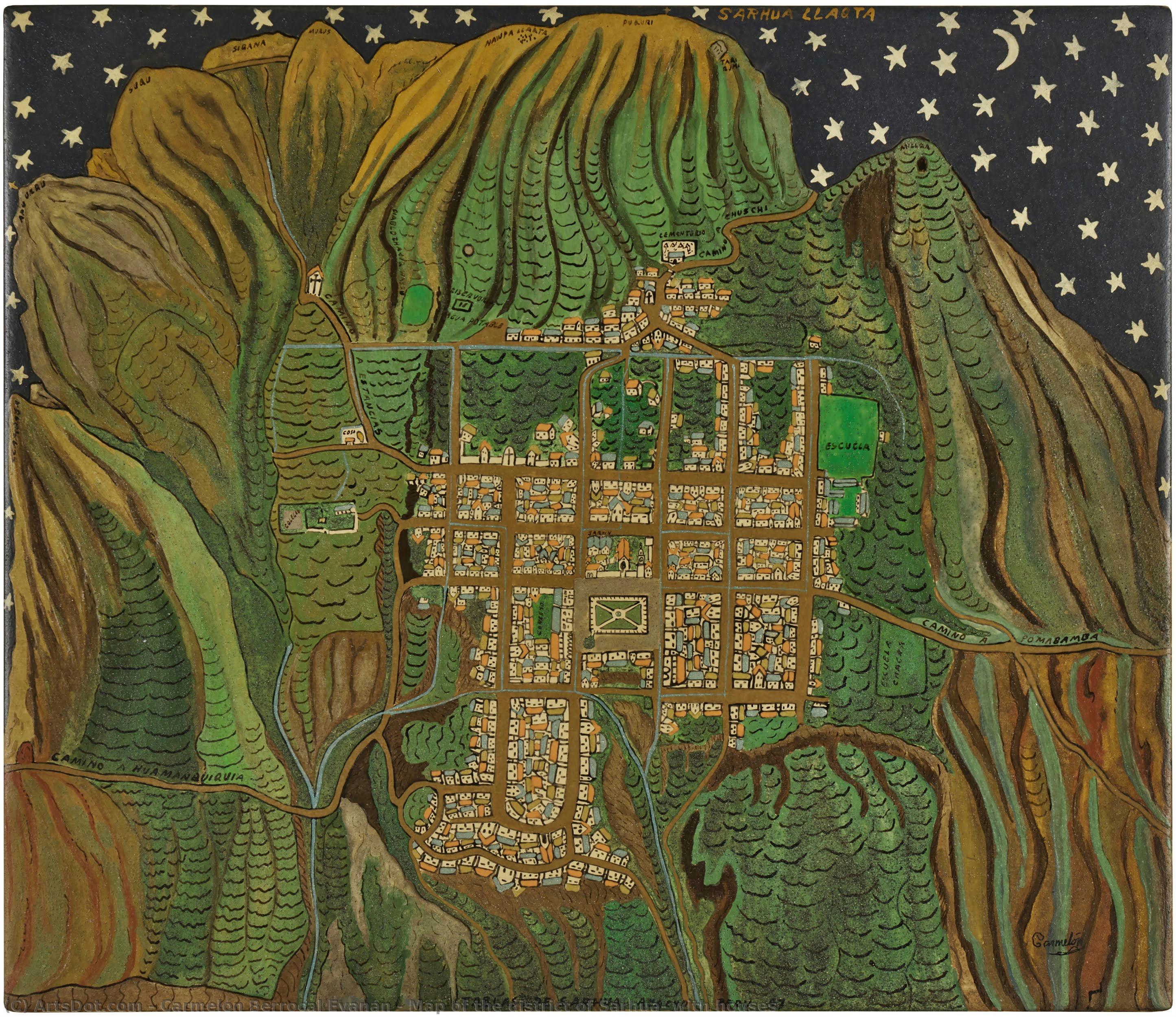
Map of the district of Sarhua, with houses
 30.0 x 35.0 cm
 Museo Central. Banco Central de Reserva del Perú
 Read More
Purchase a high-resolution, enhanced digital image, far superior to the online preview.
Each file is meticulously prepared by our in-house specialists using advanced tools and expert manual retouching. We ensure every image has exceptional clarity, precise color accuracy, and fine detail.
The final file is delivered via email within 72 hours, optimized for immediate use in professional, editorial, and print environments. This is the same quality trusted by top-tier design studios, publishers, and galleries.
Digital Image
Download a high-resolution file for personal display, printing, and creative projects. ( Buy Print Buy Hand Made Painting)
Included in Every Digital Image Order
Expert Digital Delivery, Guaranteed
When you choose ArtsDot.com, you're not just getting an image - you're receiving a professionally enhanced digital artwork, crafted with precision and backed by a satisfaction guarantee. Here's everything that comes with your order, automatically:

Fast Email Delivery
Your high-resolution digital image file will be emailed to you within 72 hours of ordering - ready for immediate use.

AI-Enhanced Digital File
Your artwork is professionally optimized using advanced AI tools and manual editing, ensuring maximum detail, clarity, and color accuracy.

Free Lifetime Re-Delivery
Accidentally deleted or lost your file? No worries - we'll resend it to you anytime, free of charge.

No Import Fees - Ever
Enjoy your artwork instantly with zero customs, duties, or delivery fees - digital downloads are always tax-free.

Color Accuracy Guarantee
We ensure your digital image reflects the original colors as closely as possible using professional tools and color management.

60-Day Satisfaction Guarantee
If you're not satisfied with your digital image, we'll revise it or refund 100% within 60 days - no questions asked.

100% Money-Back Guarantee
Not satisfied? Get a full refund within 60 days of receiving your digital file - no questions asked.

Bulk Order Discounts
Buy 3 images, save 10% - Buy 5, save 15% - Buy 10+, save 20%. Great for creative projects, galleries, and agencies.
Related Artworks








Artist Biography
Carmelón Berrocal Evanán: A Voice of the Sarhua
Carmelón Berrocal Evanán, a Peruvian indigenous artist born in the remote Sarhua district of Ayacucho, Peru, represents a vital link to a disappearing world. His life and work are inextricably bound to the traditions of his community – the Sarhua – a group renowned for its vibrant cultural heritage and fiercely independent spirit. Born around 1960 (precise dates remain elusive, reflecting the oral nature of much of Sarhua history), Evanán’s artistic journey began not in formal academies but within the very fabric of daily life, learning from elders and absorbing the stories, beliefs, and visual language passed down through generations. His art isn't merely a representation of his surroundings; it’s an active preservation effort, a conscious attempt to document and celebrate a culture facing increasing pressures from globalization and external forces.The Sarhua Tradition: Roots of Artistic Expression
The Sarhua people are deeply rooted in ancient Andean traditions, possessing a unique cosmology and social structure. Central to their identity is the “Sarhua Table” – elaborate painted boards depicting scenes of daily life, mythology, and ceremonies. These tables aren’t simply decorative; they serve as mnemonic devices, historical records, and tools for transmitting knowledge. Traditionally, these paintings were created by men, often using natural pigments derived from plants and minerals. Evanán's work directly builds upon this established tradition, inheriting its symbolic language and techniques. However, unlike many of his predecessors, he deliberately expanded the subject matter, incorporating themes previously absent – depictions of women’s roles, social injustices, and contemporary issues facing the Sarhua community. This shift represents a significant evolution within the tradition, reflecting Evanán's commitment to representing the full spectrum of Sarhua life.A Palette of Earth: Materials and Techniques
Evanán’s artistic process is deeply connected to the natural world. He meticulously gathers pigments from his surroundings – ochre from clay, charcoal from burned wood, indigo from plants, and various minerals for vibrant blues and greens. These pigments are mixed with animal fat or plant oils to create a durable paint. His canvases are typically stretched animal hides, mirroring the traditional materials used for Sarhua Tables. The application of these paints is deliberate and painstaking, often employing techniques reminiscent of ancient mural painting – layering colors, creating textures, and building up imagery gradually. He eschews brushes in favor of fingers and other tools, further emphasizing his connection to the earth and the tactile nature of his craft. This commitment to traditional materials not only reflects a deep respect for his heritage but also contributes significantly to the unique character and longevity of his work.Themes of Identity and Resistance
Evanán’s paintings are far more than just depictions of Sarhua life; they are powerful statements about identity, resistance, and cultural survival. Recurring motifs include scenes of daily rituals, agricultural practices, and community gatherings – offering a glimpse into the rhythms of Sarhua existence. However, interspersed within these familiar images are often subtle yet potent symbols of resistance. Representations of women engaging in traditionally male roles, depictions of social protests, and portrayals of the challenges faced by indigenous migrants all speak to Evanán’s commitment to amplifying the voices of his community. His work subtly challenges dominant narratives about indigenous peoples, exposing inequalities and celebrating the resilience of the Sarhua people.Legacy and Recognition
Carmelón Berrocal Evanán's work gained increasing recognition in the late 1990s and early 2000s, largely through the efforts of Venuca Evanán, his daughter, who continues to champion his legacy. His paintings are now exhibited internationally, serving as a powerful testament to the enduring strength of indigenous cultures. His art has been featured in prominent collections like the Instituto de Visión in Peru and is documented extensively on platforms such as ArtsDot.com. While he passed away in 1998, his artistic voice continues to resonate, reminding us of the importance of preserving cultural diversity and amplifying the stories of marginalized communities. His work stands as a poignant reminder that art can be both a reflection of the past and a catalyst for change.
carmelón berrocal evanán
1998 , Peru
Quick Facts
- Artistic Movement Or Style: Traditionalist
- Date Of Death: 1998
- Full Name: Carmelon Berrocal Evanán
- Nationality: Peruvian
- Notable Artworks: ['The communities of animals']
- Place Of Birth: Peru

