 Preview
 Send
Send Share
Share
 Details

 Download
 Similars
 X-Ray
X-Ray Diaporama
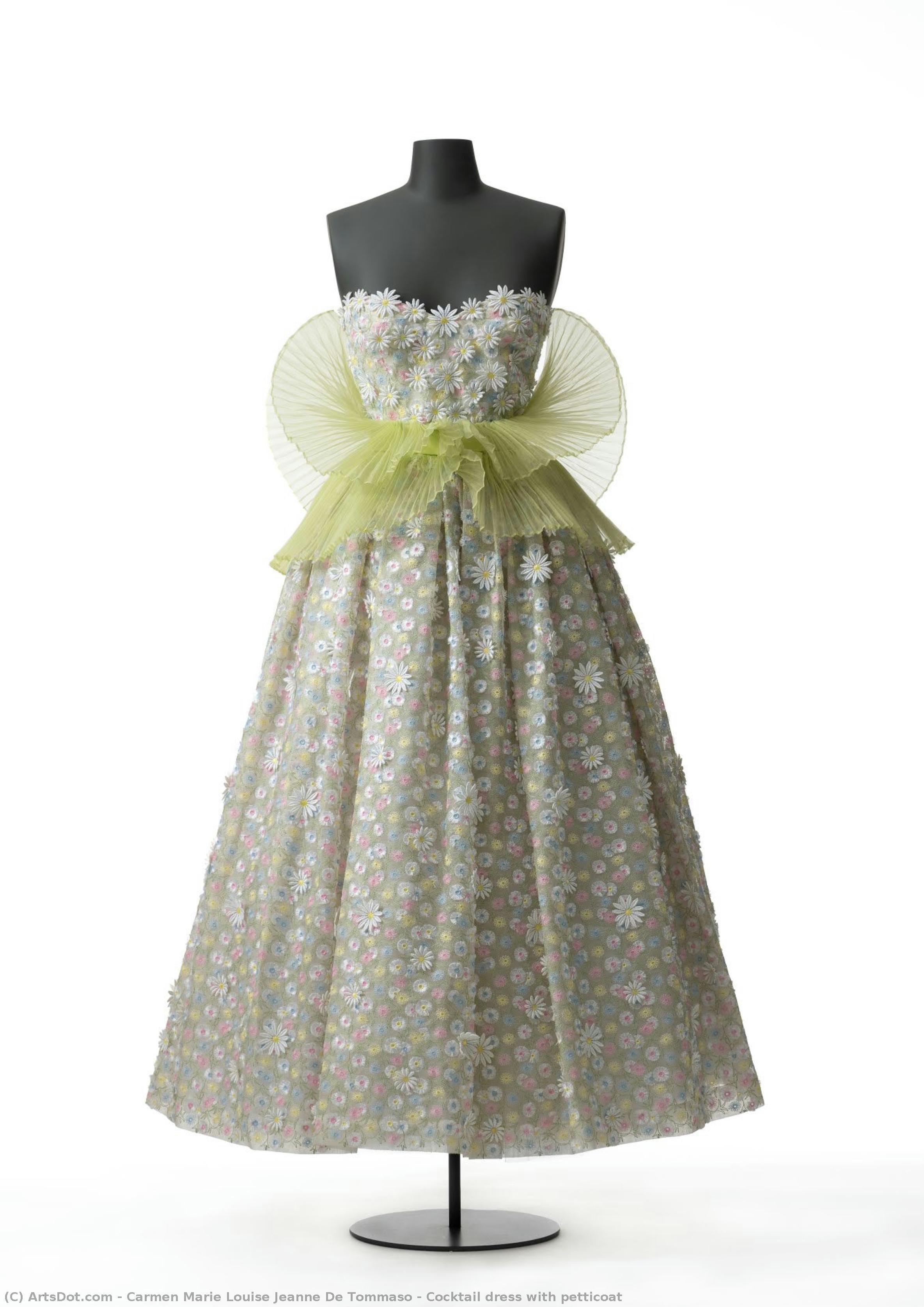
Cocktail dress with petticoat


 Read More
Giclée / Art Print
Museum-quality giclée or canvas print with fast production and flexible finish options. ( Buy Hand Made Painting Buy Image)




































Pick from our preset sizes that match the artwork's original proportions.

You may enter your own dimensions to fit a specific frame or space. If your selected size does not match the original image's proportions, we will either crop the artwork or extend the image with a mirrored or solid-fill edge. A digital mockup will be sent for your approval before production begins.
Please note that the on-screen preview does not reflect the actual cropping or extension. Only the mockup will accurately show the final composition.
While custom sizes are available, we recommend selecting a dimension from the predefined list to preserve the original proportions.
Worldwide Delivery () in 2 weeks instead of standard 4/5 weeks. (5 September)

Free Worldwide Express Shipping

High-Quality Linen Canvas

Full Shipping Insurance

Customs Tax Refund Guarantee

True Color Matching Guarantee

60-Day Return Policy (Defects Only)

100% Money-Back Guarantee

Bulk Discount Offer
 Glass option is only available in size under 110 CM

Cocktail dress with petticoat
Giclée / Art Print
Reproduction Size
-


Total Price
$ 63
Related Artworks

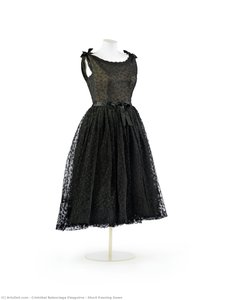
Artist Biography
A Pioneer of Accessible Chic: The Life and Legacy of Marie-Louise Carven
Born Carmen de Tommaso in 1909, the woman who would become Madame Carven defied the conventions of postwar Parisian haute couture. Her story isn’t one of inherited wealth or established connections, but rather a testament to vision, resilience, and an unwavering commitment to dressing women for *life*, not just for idealized forms. Growing up in Châtellerault, France, Carmen quickly discovered her passion for design, initially expressing it through creating miniature outfits for her beloved pet cat—a charming anecdote that foreshadowed her future dedication to fit and form. This early inclination led her to study architecture and interior decor at the prestigious École des Beaux-Arts in Paris, a foundation that would profoundly influence her approach to clothing construction and aesthetic sensibility. However, it was a personal frustration – finding clothes that truly suited her petite frame – that ultimately sparked her revolutionary career path.From Personal Need to Parisian House
The immediate postwar years were defined by austerity and a longing for renewal. While Christian Dior’s opulent “New Look” re-established Paris as the epicenter of fashion, Carven carved out a distinct niche. In 1945, she established her *maison* on the Champs-Élysées, cleverly combining her first name, Carmen, with a portion of her aunt Josy Boyriven’s surname to create “Carven.” This wasn't merely a branding exercise; it symbolized a new beginning and a departure from traditional expectations. She recognized an underserved market: women who didn’t fit the statuesque ideal favored by many couturiers. Carven focused on designs that flattered smaller figures, prioritizing comfort and practicality without sacrificing elegance. Her first collection featured a striking green and white striped summer dress—a simple yet impactful piece born from fabric discovered in a chateau attic. This signature stripe quickly became synonymous with the House of Carven, representing a fresh, youthful aesthetic that resonated deeply with a generation eager to embrace modernity.A Couturière with a Marketing Savvy
Carven wasn’t just a talented designer; she was an astute businesswoman who understood the power of promotion and connection. She pioneered innovative marketing strategies that were unusual for the time. In 1946, she famously launched her first perfume by parachuting hundreds of sample bottles across Paris—a daring stunt that generated immense publicity. She also recognized the potential of thematic collections, creating a line inspired by *Gone with the Wind* to coincide with the film’s French release and staging elaborate fashion shows in movie theaters. This ability to connect her designs to popular culture demonstrated a keen understanding of her audience and solidified Carven's reputation as a designer who understood the needs and desires of modern women. Her collections were often inspired by her travels, incorporating materials like madras, batik, and raffia—reflecting a global perspective that was increasingly rare in postwar fashion.Beyond Couture: Prêt-à-Porter and Lasting Influence
Carven’s impact extended beyond the realm of haute couture. In 1950, she became one of the first couturiers to embrace *prêt-à-porter* (ready-to-wear), recognizing that many women desired accessible, stylish clothing without the expense and exclusivity of bespoke designs. This move democratized fashion, bringing her aesthetic to a wider audience. She also launched Carven Junior, further expanding her reach. Her commitment to simplicity—favoring lightweight fabrics like pink gingham and broderie anglaise—made the transition to ready-to-wear seamless. Throughout her career, she championed individuality and practicality, creating clothes that empowered women to live their lives with confidence and grace. Beyond her professional achievements, Carven’s quiet heroism during World War II – sheltering a Romanian Jewish man and his family from persecution – speaks volumes about her character. She died in Paris in 2015 at the remarkable age of 105, leaving behind a legacy that continues to inspire designers today. Her pioneering spirit, innovative marketing, and dedication to dressing women for real life cemented her place as a true icon of French fashion.
carmen marie louise jeanne de tommaso
1909 - 2015 , France
Quick Facts
- Artistic Movement Or Style: Haute Couture, Prêt-à-Porter
- Date Of Birth: August 31, 1909
- Date Of Death: June 8, 2015
- Full Name: Carmen Marie Louise Jeanne de Tommaso
- Nationality: French
- Notable Artworks: ['Cocktail dress with petticoat']
- Place Of Birth: Châtellerault, France