 Preview
 Send
Send Share
Share
 Details

 Download
 Similars
 X-Ray
X-Ray Diaporama
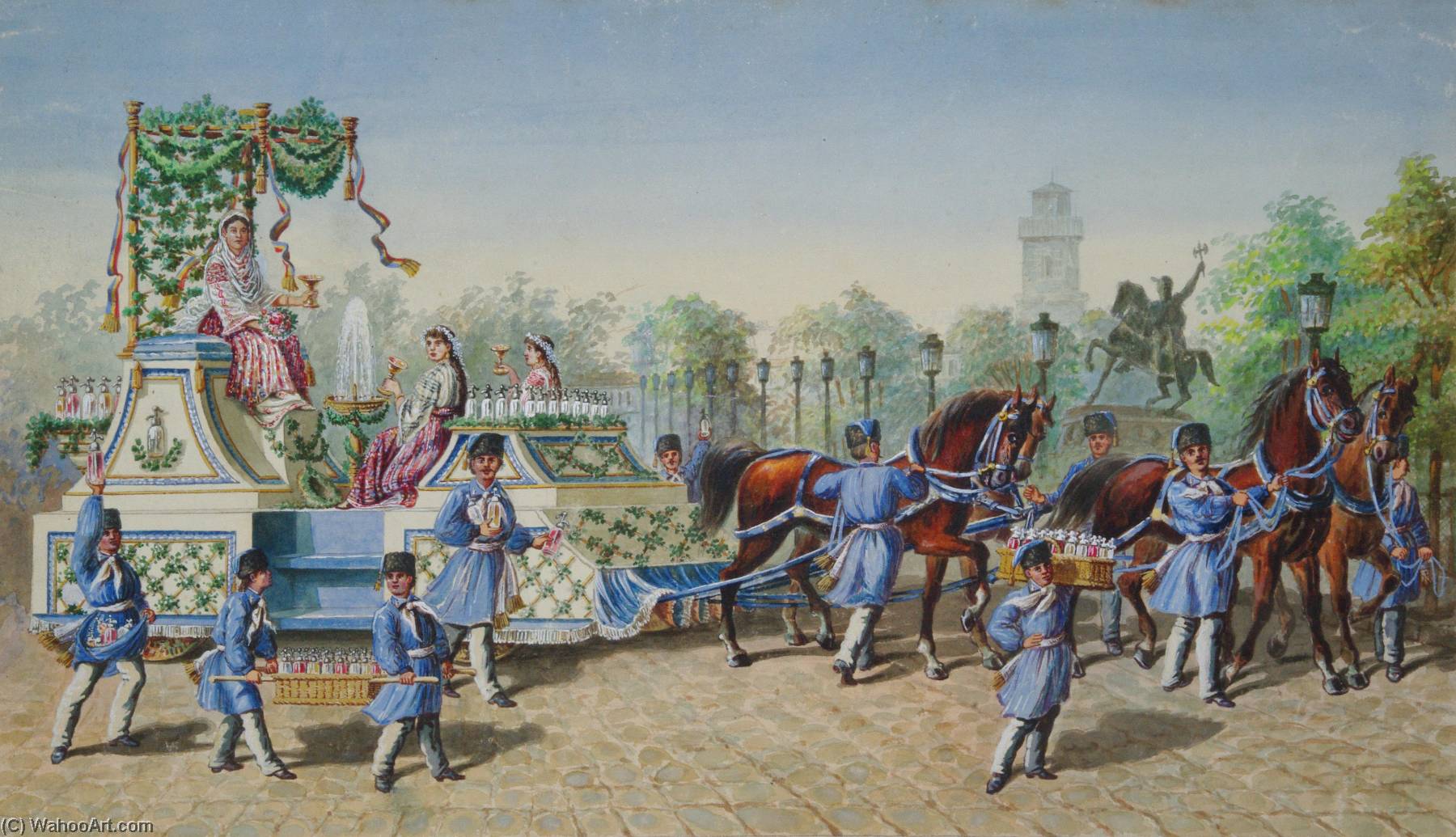
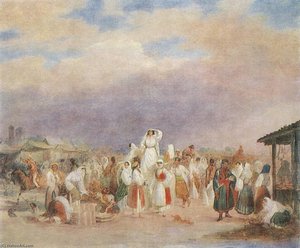
Untitled (AQTDNH)

 Read More
Hand Made Oil Reproduction
Hand-painted oil on canvas in your size and frame, made to order by our artists. ( Buy Print Buy Image)




































Pick from our preset sizes that match the artwork's original proportions.

You may enter your own dimensions to fit a specific frame or space. If your selected size does not match the original image's proportions, we will either crop the artwork or extend the painting with additional hand-painted elements. A digital mockup will be sent for your approval before production begins.
Please note that the on-screen preview does not reflect the actual cropping or extension. Only the mockup will accurately show the final composition.
While custom sizes are available, we recommend selecting a dimension from the predefined list to preserve the original proportions.
After order, ArtsDot.com team will email client for instructions and provide a mockup preview
Worldwide Delivery () in 3/4 weeks instead of standard 5 weeks. (17 August). No compromise on quality.

Free Worldwide Express Shipping

High-Quality Linen Canvas

Full Shipping Insurance

Customs Tax Refund Guarantee

True Color Matching Guarantee

60-Day Return Policy (Defects Only)

100% Money-Back Guarantee

Bulk Discount Offer
 Glass option is only available in size under 110 CM

Untitled (AQTDNH)
Reproduction Medium
Reproduction Size
-


Total Price
$ 263
Related Artworks

Artist Biography
Carol Szathmari: A Pioneer of Romanian Art and Photography
Born in Kolozsvár (modern Cluj-Napoca, Romania) in 1812, Carol Popp de Szathmary – as he was known in Hungarian – emerged from a family steeped in the traditions of Transylvanian nobility. Initially drawn to law at the Reformed College, his artistic inclinations quickly superseded academic pursuits, leading him towards Vienna and ultimately, to the vibrant cultural hub of Bucharest. This relocation marked not just a geographical shift but a pivotal moment in his life, setting the stage for a career that would profoundly impact both Romanian art and the nascent field of photography.
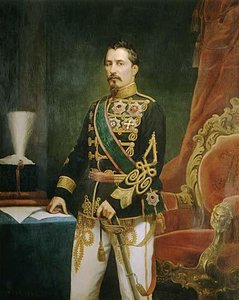
Szathmary’s early artistic training in Rome exposed him to the classical ideals of European painting, yet he soon developed a distinctive style characterized by realism and an acute observational eye. He quickly gained recognition as a court painter, commissioned to capture portraits of prominent figures within Wallachia's elite – the boyars – a testament to his skill and ability to convey status and personality through brushstrokes. This period established him as a respected artist, but it was his fascination with photography that would ultimately define his legacy.
The Dawn of Romanian Photography
Szathmary’s encounter with the revolutionary technology of photography in 1850 proved transformative. He recognized its potential not merely as a mechanical reproduction of reality but as a powerful tool for documentation and storytelling. He established Bucharest's first photographic studio, pioneering techniques and pushing the boundaries of what was possible at the time. Unlike many contemporary photographers who relied on imported equipment and processes, Szathmary meticulously learned and adapted the wet collodion process, mastering its intricacies to produce remarkably detailed and evocative images.
His early work focused primarily on portraiture – capturing the likenesses of dignitaries, military officers, and members of Bucharest society. However, his ambition extended far beyond mere vanity portraits. The Crimean War (1853-1856) presented an unprecedented opportunity for Szathmary to utilize his photographic skills in a dramatic and historically significant context. He famously joined the Russian army as an official correspondent, documenting the conflict with unparalleled immediacy. This was a groundbreaking move; he became one of the world’s first combat photographers, venturing onto battlefields and capturing scenes of devastation and heroism.
A Witness to War: The Crimean Campaign
Szathmary's photographic documentation of the Crimean War is particularly noteworthy. He braved perilous conditions – disease, bombardment, and the ever-present threat of violence – to record the realities of war. His images weren’t idealized romantic depictions; they were stark, unflinching portrayals of soldiers in their uniforms, encampments, fortifications, and the aftermath of battles. He meticulously documented troop movements, equipment, and even the faces of individual officers, offering a visual record that transcended traditional written accounts.
His work was exhibited at the 1855 Paris Exposition Universelle, where it garnered considerable attention and praise. Queen Victoria herself recognized his contribution, awarding him a gold medal in recognition of his pioneering efforts. This international acclaim solidified Szathmary’s position as a leading figure not only in Romanian art but also in the burgeoning field of photographic journalism. He continued to document significant historical events throughout his career, including the liberation of Bulgaria during the Russo-Turkish War.
Legacy and Influence
Carol Szathmary's impact on Romanian art and photography is undeniable. He established a foundation for future generations of photographers in Romania and played a crucial role in popularizing the medium within the country. His meticulous approach to both painting and photography, combined with his keen eye for detail and his willingness to document significant historical events, cemented his place as a true pioneer.
Beyond his artistic achievements, Szathmary’s legacy lies in his courage and innovation. He defied conventional expectations by embracing a new technology and utilizing it to capture the realities of war – a daring act that foreshadowed the rise of photojournalism and documentary photography. His work continues to be studied and admired for its historical significance, technical skill, and emotional resonance.
Notable Works
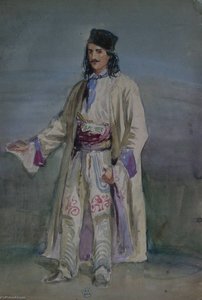
- “Română Carol Popp de Szathmary Cerchez călare” (1878): A watercolor depicting a Romanian warrior, showcasing his mastery of realism and romantic style.
- “Mitropolitul Miclescu Calinic” (1878): A portrait of the Metropolitan of Bucharest, demonstrating his ability to capture personality and status.
- Untitled (1870): Two women at a table, offering a glimpse into Romanian social life.
His photographic archive, now housed in the National Library of Romania and the International Museum of Photography and Film at George Eastman House, provides invaluable insights into 19th-century Romanian society and military history. Carol Szathmary’s contributions to both art and photography remain a testament to his vision, skill, and unwavering commitment to documenting the world around him.
carol szathmari
1812 - 1887
Quick Facts
- Artistic Movement Or Style: Realism, Historical Painting
- Artists Or Movements Influenced By This Artist:
- Photography
- Romanticism
- Artists Who Influenced This Artist:
- David
- Théodore Géricault
- Date Of Birth: January 11, 1812
- Date Of Death: July 3, 1887
- Full Name: Carol Popp de Szathmari
- Nationality: Romanian (Hungarian)
- Notable Artworks:
- Română Carol Popp călare
- Mitropolitul Miclescu Calinic
- Untitled (AQTDNP)
- Place Of Birth: Kolozsvár, Hungary