 Preview
 Send
Send Share
Share
 Details

 Download
 Similars
 X-Ray
X-Ray Diaporama
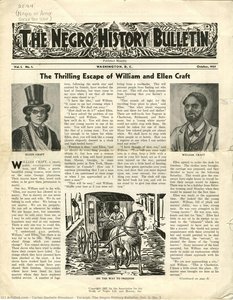
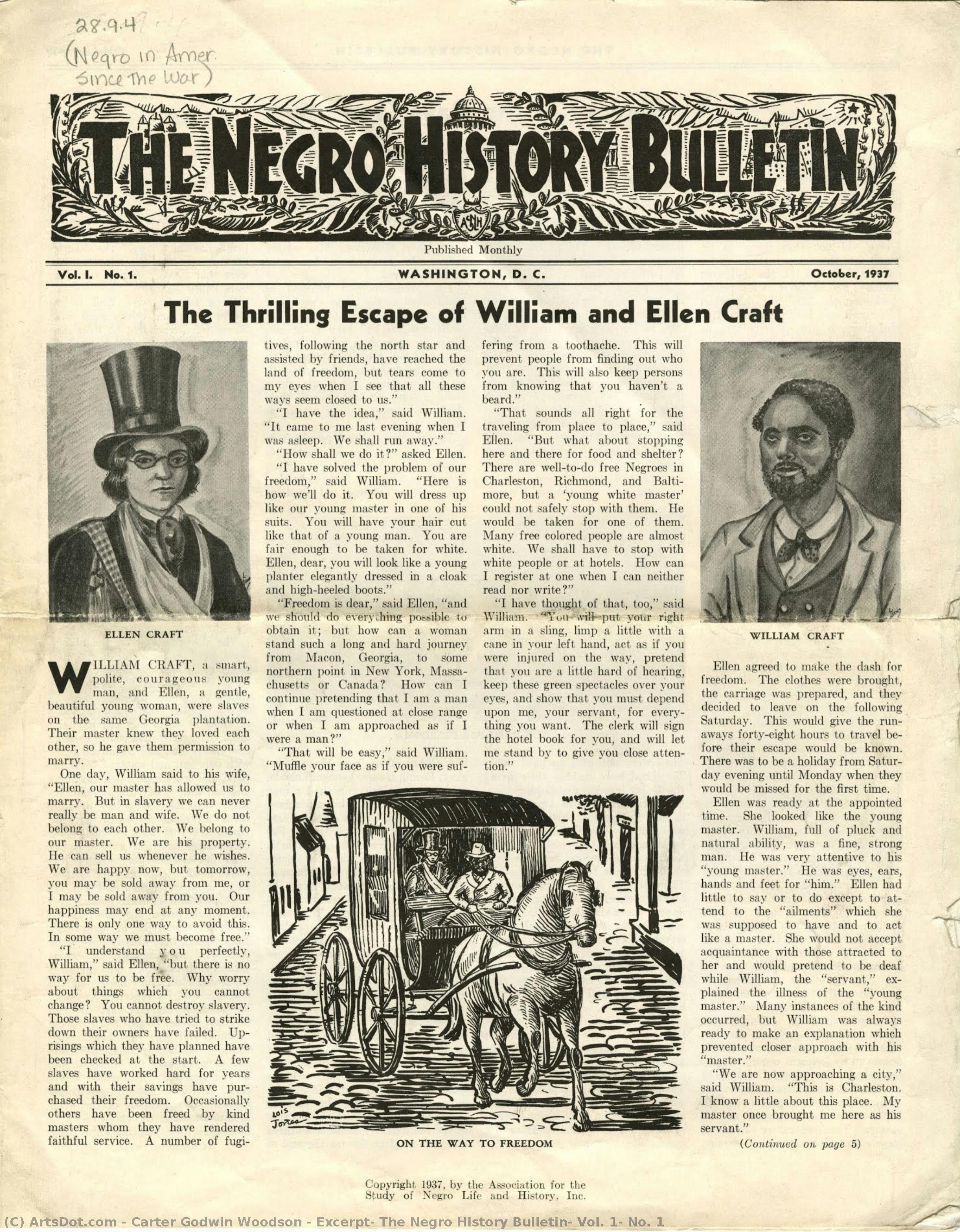
Excerpt, The Negro History Bulletin, Vol. 1, No. 1


 Read More
Giclée / Art Print
Museum-quality giclée or canvas print with fast production and flexible finish options. ( Buy Hand Made Painting Buy Image)




































Pick from our preset sizes that match the artwork's original proportions.

You may enter your own dimensions to fit a specific frame or space. If your selected size does not match the original image's proportions, we will either crop the artwork or extend the image with a mirrored or solid-fill edge. A digital mockup will be sent for your approval before production begins.
Please note that the on-screen preview does not reflect the actual cropping or extension. Only the mockup will accurately show the final composition.
While custom sizes are available, we recommend selecting a dimension from the predefined list to preserve the original proportions.
Worldwide Delivery () in 2 weeks instead of standard 4/5 weeks. (28 August)

Free Worldwide Express Shipping

High-Quality Linen Canvas

Full Shipping Insurance

Customs Tax Refund Guarantee

True Color Matching Guarantee

60-Day Return Policy (Defects Only)

100% Money-Back Guarantee

Bulk Discount Offer
 Glass option is only available in size under 110 CM

Excerpt, The Negro History Bulletin, Vol. 1, No. 1
Giclée / Art Print
Reproduction Size
-


Total Price
$ 63
Related Artworks









Artist Biography
Carter G. Woodson: The Architect of Black History
Carter Godwin Woodson (December 19, 1875 – April 3, 1950) stands as a monumental figure in American intellectual history—recognized universally as “The Father of Black History.” His unwavering dedication to documenting and disseminating African American experiences fundamentally reshaped the understanding of U.S. history and cemented his place among the pioneers of civil rights advocacy. Born in Virginia’s New Canton, Woodson’s formative years were marked by hardship – his parents had been enslaved—yet he possessed an innate thirst for knowledge that propelled him toward extraordinary accomplishments despite considerable obstacles.- Early Life & Education: Woodson's journey began with a challenging upbringing amidst the realities of post-Reconstruction Virginia. Forced to interrupt his formal schooling due to labor demands in coal mines, he persevered through adversity, securing a diploma from Berea College—an institution founded by Quakers committed to educating African Americans—before embarking on his collegiate pursuits at the University of Chicago.
- Academic Career & Doctorate: Woodson’s intellectual brilliance shone brightly during his time at Chicago, culminating in the attainment of a Ph.D. degree in 1912—a landmark achievement considering the pervasive discrimination faced by Black scholars at that era. This accomplishment underscored his commitment to rigorous scholarship and established him as one of the first African Americans to earn this prestigious credential from Harvard University.
- The Birth of Negro History Week: Recognizing a critical void in American education—the systematic exclusion of Black history from curricula—Woodson spearheaded an initiative that would transform the landscape of historical awareness. In 1926, he initiated “Negro History Week,” which swiftly evolved into Black History Month, establishing February as a dedicated period for commemorating African American contributions to U.S. culture and society.
- Founding ASALH & Literary Legacy: Woodson’s tireless advocacy extended beyond institutional reform; he established the Association for the Study of Negro Life and History (ASALH) in 1915—a beacon of scholarly research and dissemination—and championed the publication of *The Journal of Negro History*, which served as a precursor to Black History Month. His prolific writing output included seminal works like *The Mis-Education of the Negro* (1933), exploring the detrimental effects of Western educational systems on African American identity, and *A Century of Negro Migration* (1918), documenting the transformative demographic shifts reshaping America’s racial composition.
Woodson's Impact & Recognition
Despite facing considerable prejudice within the academic sphere—where he encountered resistance from colleagues who routinely minimized Black Americans’ role in shaping American history—Woodson remained steadfast in his mission to elevate Black voices and perspectives. His unwavering conviction fueled his commitment to fostering intellectual engagement with African American heritage, inspiring educators nationwide to integrate Black History into their teaching practices. Furthermore, Woodson's legacy extends beyond the realm of academia; he served as principal of Armstrong Manual Training School in Washington D.C., advocating for equitable educational opportunities for Black students and actively participating in civil rights movements. His tireless efforts culminated in the designation of his home—the Carter G. Woodson Home National Historic Site—as a landmark in 1976, honoring his enduring contribution to American cultural heritage.Influences & Artistic Vision
Woodson’s intellectual framework was profoundly shaped by thinkers like W.E.B. Du Bois and Frederick Douglass—whose writings championed racial equality and challenged prevailing stereotypes—and he drew inspiration from the rich tapestry of African traditions and cultures. He recognized that Black history wasn't merely a collection of facts but rather a narrative imbued with moral significance, demanding careful consideration of its impact on shaping American identity. Woodson’s artistic vision centered around illuminating the complexities of Black experience—emphasizing both resilience and vulnerability—and advocating for transformative social change through education and scholarly inquiry.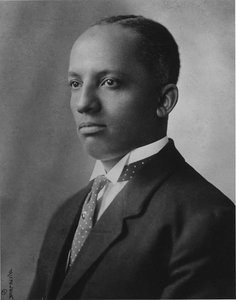
carter godwin woodson
1875 - 1950 , United States of America
Quick Facts
- Artistic Movement Or Style: Historicism
- Artists Or Movements Influenced By This Artist: ['Afrocentrism']
- Artists Who Influenced This Artist: ['W.E.B. Du Bois']
- Date Of Birth: December 19, 1875
- Date Of Death: April 3, 1950
- Full Name: Carter Godwin Woodson
- Nationality: American
- Notable Artworks: ['The Mis-Education of the Negro']
- Place Of Birth: New Canton, Virginia