

 Preview
 Send
Send Share
Share
 Details

 Download
 Similars
 X-Ray
X-Ray Diaporama
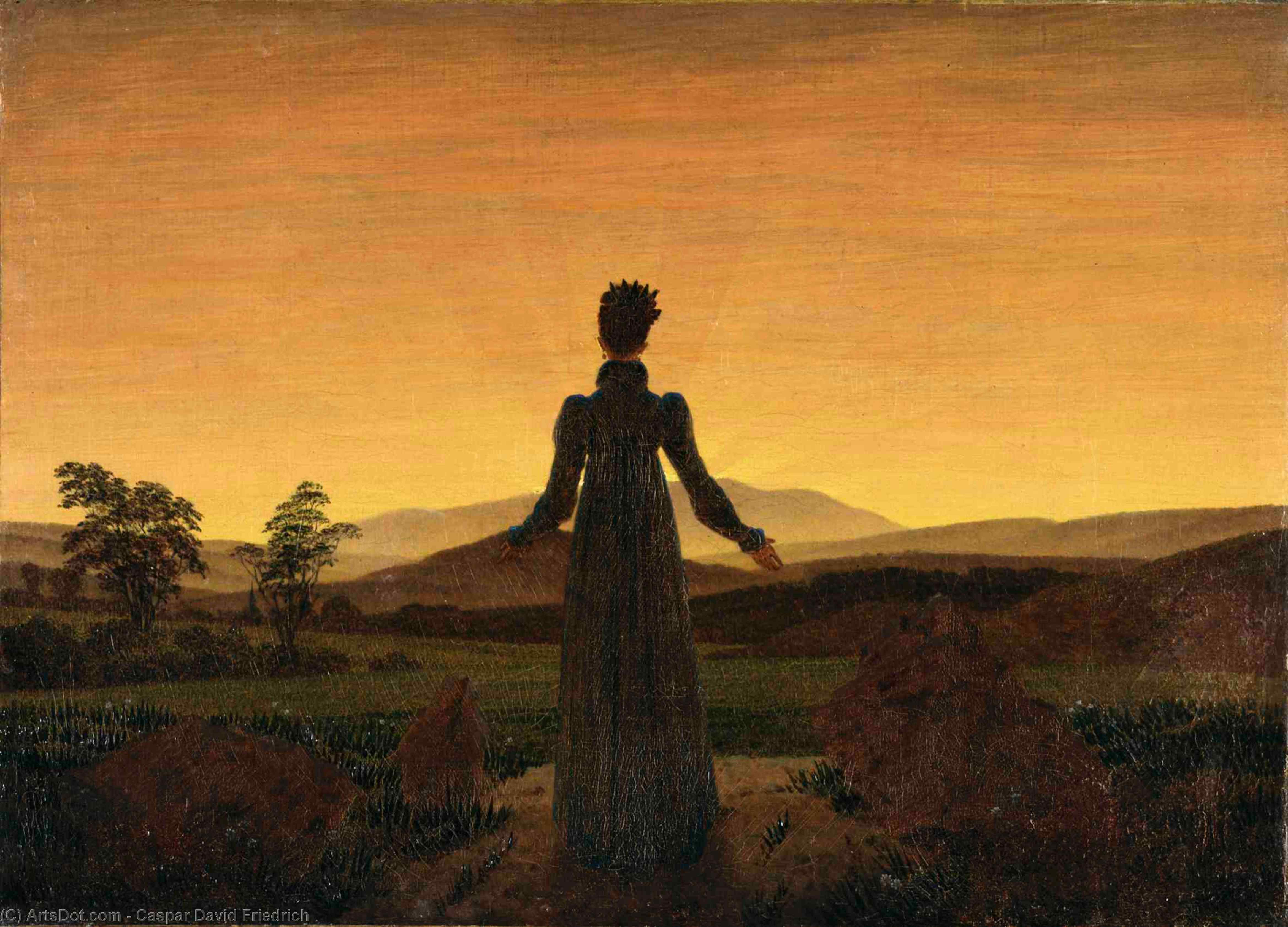
Frau vor untergehender Sonne
 Acrylic On Canvas
- WallArt
- Romanticism
 1818
1818 22.0 x 30.0 cm
 Museum Folkwang
 Read More
Purchase a high-resolution, enhanced digital image, far superior to the online preview.
Each file is meticulously prepared by our in-house specialists using advanced tools and expert manual retouching. We ensure every image has exceptional clarity, precise color accuracy, and fine detail.
The final file is delivered via email within 72 hours, optimized for immediate use in professional, editorial, and print environments. This is the same quality trusted by top-tier design studios, publishers, and galleries.
Digital Image
Download a high-resolution file for personal display, printing, and creative projects. ( Buy Print Buy Hand Made Painting)
Included in Every Digital Image Order
Expert Digital Delivery, Guaranteed
When you choose ArtsDot.com, you're not just getting an image - you're receiving a professionally enhanced digital artwork, crafted with precision and backed by a satisfaction guarantee. Here's everything that comes with your order, automatically:

Fast Email Delivery
Your high-resolution digital image file will be emailed to you within 72 hours of ordering - ready for immediate use.

AI-Enhanced Digital File
Your artwork is professionally optimized using advanced AI tools and manual editing, ensuring maximum detail, clarity, and color accuracy.

Free Lifetime Re-Delivery
Accidentally deleted or lost your file? No worries - we'll resend it to you anytime, free of charge.

No Import Fees - Ever
Enjoy your artwork instantly with zero customs, duties, or delivery fees - digital downloads are always tax-free.

Color Accuracy Guarantee
We ensure your digital image reflects the original colors as closely as possible using professional tools and color management.

60-Day Satisfaction Guarantee
If you're not satisfied with your digital image, we'll revise it or refund 100% within 60 days - no questions asked.

100% Money-Back Guarantee
Not satisfied? Get a full refund within 60 days of receiving your digital file - no questions asked.

Bulk Order Discounts
Buy 3 images, save 10% - Buy 5, save 15% - Buy 10+, save 20%. Great for creative projects, galleries, and agencies.
Collectible Description
A Moment Suspended in Time
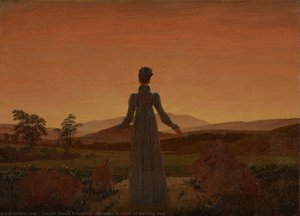
In the quietude of Caspar David Friedrich’s 1818 masterpiece, Frau vor untergehender Sonne (Woman before the Setting Sun), we are invited to witness a profound dialogue between the human spirit and the infinite. The painting presents a solitary figure standing upon a gentle hillside, her silhouette etched sharply against the bleeding hues of a departing sun. As she gazes upward toward the heavens, there is an unmistakable sense of stillness, as if the entire world has paused to hold its breath. A single bird drifts through the twilight sky, providing a delicate touch of motion that emphasizes the overwhelming tranquility of the landscape. This is not merely a depiction of a sunset; it is a window into a moment of deep, personal communion with the sublime.
The technical brilliance of Friedrich lies in his masterful command of chiaroscuro, using the dramatic interplay of light and shadow to sculpt the scene. The vibrant, warm glow of the horizon contrasts breathtakingly with the darkening earth, creating a sense of immense depth that draws the viewer into the frame. Every texture—from the rugged, dark outlines of the distant trees to the soft, ethereal diffusion of light through the atmosphere—is rendered with a precision that bridges the gap between realism and mysticism. For the collector or interior designer, this painting offers a sophisticated focal point, bringing a sense of atmospheric weight and classical elegance to any curated space.
The Language of Romantic Symbolism
To gaze upon this work is to engage with the very heart of the German Romantic movement. Friedrich was a master at embedding complex theological and philosophical meanings within naturalistic settings. In this composition, the setting sun serves as a poignant metaphor for the passage of time and the inevitable approach of mortality. The woman, positioned as a contemplative observer, represents the human soul navigating the transition between the earthly realm and the spiritual unknown. The presence of the bird, soaring freely above the terrestrial landscape, acts as a symbolic bridge, suggesting the possibility of transcendence and the liberation of the spirit.
This layer of symbolism transforms the painting from a beautiful landscape into an emotional journey. It speaks to the universal human experience of feeling small yet profoundly connected to the cosmos. For those seeking to decorate a sanctuary or a study, a high-quality reproduction of this piece provides more than just visual beauty; it introduces a narrative of reflection and peace. The artwork invites the observer to slow down, to look upward, and to find meaning in the quiet transitions of life, making it an enduring choice for those who value art that resonates with the depths of human emotion.
Related Artworks



Artist Biography
A Solitary Vision: The Life and Art of Caspar David Friedrich
Born in the Baltic port city of Greifswald in 1774, Caspar David Friedrich’s life was steeped in a melancholic atmosphere that would profoundly shape his artistic vision. His early years were marked by loss – the deaths of his mother and siblings cast a long shadow, fostering a sensitivity to mortality and transience that became central themes in his work. Initially educated by his older brother Christian in drawing, Friedrich’s formal training began at the University of Leipzig, where he pursued both art and theology, though neither degree was completed. This dual interest – a fascination with the visual world alongside a deep spiritual questioning – would prove crucial to his development as an artist. Further studies in Copenhagen honed his technical skills, exposing him to landscape painting traditions that would serve as a foundation for his unique style, yet it was not imitation he sought but rather expression—a means of conveying inner emotional states through the language of nature.The Birth of Romantic Landscape
Friedrich’s artistic journey wasn't merely about depicting scenery; it was about imbuing landscapes with profound symbolic meaning. He moved away from the meticulous detail favored by earlier artists, embracing a more personal and expressive approach. His paintings are characterized by an emphasis on the sublime – evoking feelings of awe, terror, and spiritual connection in the face of nature’s grandeur. The use of *Rückenfiguren*, figures seen from behind, became a signature element, inviting viewers to step into the scene and share in the contemplative experience. Natural elements like ancient trees, towering mountains, swirling fog, and crumbling ruins weren't simply picturesque details; they were potent symbols representing life’s cycles, spiritual longing, and the weight of history. His palette, often muted with blues, grays, and browns, further enhanced the mood of introspection and solemnity that pervades his work. He pioneered a way to depict landscapes not as mere views but as reflections of the human soul—a revolutionary concept for its time.Iconic Works and Enduring Themes
Several paintings stand out as defining examples of Friedrich’s artistic achievement. "The Abbey in the Oakwood" (1809-1810), a haunting image of a ruined churchyard enveloped by bare trees, speaks powerfully to themes of mortality and spiritual decay. Perhaps his most famous work, "Wanderer above the Sea of Fog" (c. 1818), encapsulates the Romantic ideal of the individual confronting the vastness and mystery of existence. The figure, silhouetted against a swirling sea of mist, embodies both human aspiration and insignificance. "Chalk Cliffs on Rügen" (1818) demonstrates his mastery of atmospheric effects and subtly conveys a sense of national identity—a growing concern in the fragmented political landscape of early 19th-century Germany. Even more dramatic is "The Sea of Ice" (1824), a chilling depiction of an Arctic wasteland, representing nature’s immense power and indifference to human fate. Recurring throughout his oeuvre are themes of nature as a manifestation of the divine, the fragility of humanity in the face of cosmic forces, melancholy, solitude, spiritual yearning, and a burgeoning sense of German nationalism.Legacy and Rediscovery
Friedrich’s influences were diverse, ranging from Dutch Golden Age landscape painting – particularly the works of Jacob van Ruisdael – to the philosophical writings of Immanuel Kant, which explored the limits of human perception and the power of subjective experience. His own personal experiences with loss and spirituality also played a crucial role in shaping his artistic vision. While celebrated during his lifetime, Friedrich’s popularity waned as artistic tastes shifted. However, he experienced a significant rediscovery in the late 20th century, becoming widely recognized as one of the most important figures in German Romanticism. His emphasis on subjective experience and emotional expression paved the way for later movements like Symbolism and Surrealism, influencing generations of artists who sought to explore the inner world through visual means. He remains a pivotal figure whose work continues to resonate with audiences today, reminding us of the profound connection between humanity and the natural world, and the enduring power of art to evoke contemplation and spiritual awakening.Historical Significance
Caspar David Friedrich’s art captured the very spirit of the Romantic era—a period defined by a rejection of Enlightenment rationalism in favor of emotion, imagination, and individualism. His landscapes served as powerful symbols of German national identity during a time of political fragmentation, fostering a sense of shared cultural heritage. Though he died in Dresden in 1840, his legacy extends far beyond the confines of 19th-century Germany. He didn’t simply paint what he saw; he painted what he *felt*, and it is this emotional honesty that continues to captivate and inspire. His work stands as a testament to the enduring power of art to explore the deepest questions of human existence, reminding us of our place within the vastness of nature and the mysteries of the universe.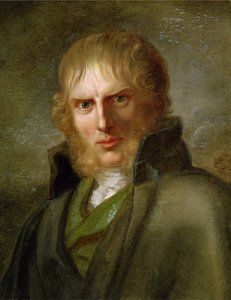
Caspar David Friedrich
1774 - 1840 , Germany
Quick Facts
- Artistic Movement Or Style: Romanticism
- Artists Or Movements Influenced By This Artist:
- Symbolists
- Surrealists
- Artists Who Influenced This Artist:
- Dutch Masters
- J.C. Dahl
- Date Of Birth: September 5, 1774
- Date Of Death: May 7, 1840
- Full Name: Caspar David Friedrich
- Nationality: German
- Notable Artworks:
- Abbey in the Oakwood
- Wanderer above the Sea...
- Chalk Cliffs on Rügen
- The Sea of Ice
- Place Of Birth: Greifswald, Germany

