 Preview
 Send
Send Share
Share
 Details

 Download
 Similars
 X-Ray
X-Ray Diaporama
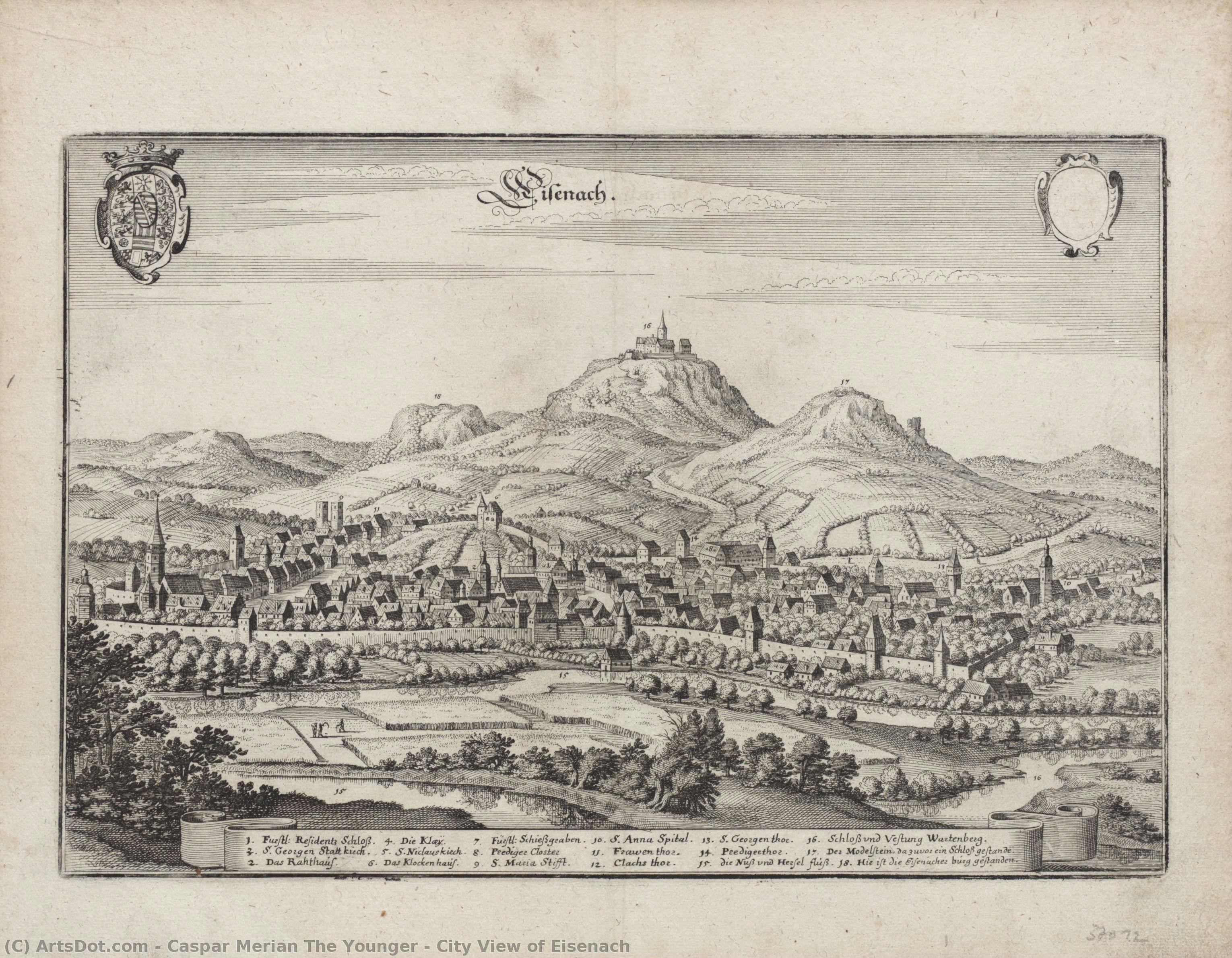
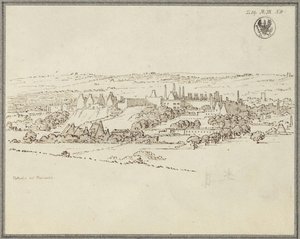
City View of Eisenach


 Read More
Hand Made Oil Reproduction
Hand-painted oil on canvas in your size and frame, made to order by our artists. ( Buy Print Buy Image)




































Pick from our preset sizes that match the artwork's original proportions.

You may enter your own dimensions to fit a specific frame or space. If your selected size does not match the original image's proportions, we will either crop the artwork or extend the painting with additional hand-painted elements. A digital mockup will be sent for your approval before production begins.
Please note that the on-screen preview does not reflect the actual cropping or extension. Only the mockup will accurately show the final composition.
While custom sizes are available, we recommend selecting a dimension from the predefined list to preserve the original proportions.
After order, ArtsDot.com team will email client for instructions and provide a mockup preview
Worldwide Delivery () in 3/4 weeks instead of standard 5 weeks. (25 August). No compromise on quality.

Free Worldwide Express Shipping

High-Quality Linen Canvas

Full Shipping Insurance

Customs Tax Refund Guarantee

True Color Matching Guarantee

60-Day Return Policy (Defects Only)

100% Money-Back Guarantee

Bulk Discount Offer
 Glass option is only available in size under 110 CM

City View of Eisenach
Reproduction Medium
Reproduction Size
-


Total Price
$ 263
Related Artworks



Artist Biography
A Legacy Etched in Cityscapes: The World of Caspar Merian the Younger
Caspar Merian the Younger, born in Frankfurt in 1627 and passing away in 1686, occupies a unique position within the history of European art. Though often overshadowed by his father, Matthäus Merian the Elder—a towering figure in engraving and publishing—Caspar nonetheless carved out a significant legacy as a meticulous cartographer and publisher himself. He wasn’t merely a follower in his father's footsteps; he was a vital link in maintaining and expanding upon a family tradition of visual documentation that proved invaluable to historical research, architectural study, and the burgeoning field of urban planning.
The Family Workshop and Early Influences
To understand Caspar Merian’s work, one must first appreciate the context of his upbringing. The Merian family was a dynasty steeped in artistic practice, originating from Basel, Switzerland, with roots tracing back to the 15th century. Matthäus the Elder established a renowned publishing house in Frankfurt, specializing in detailed engravings and topographical views. Caspar’s early life was undoubtedly immersed in this world of copperplates, inks, and precise draftsmanship. He received his foundational training within the family workshop, learning the intricacies of engraving from his father—a master of observation and reproduction. This environment instilled in him a dedication to accuracy and an appreciation for the power of visual representation.
The elder Merian’s ambitious projects, such as the *Topographia* series, aimed to create comprehensive visual records of cities across Europe. Caspar's brother, Matthäus the Younger, also played a crucial role in this endeavor. The collaborative spirit within the family was essential; after their father’s death in 1650, Caspar and his brother took over the publishing house under the name *Merian Erben* (Merian Heirs). This transition wasn't simply about continuing a business—it was about upholding a commitment to documenting the world with unparalleled detail.
Precision and Purpose: The Art of City Mapping
Caspar Merian’s primary contribution lies in his detailed city maps and views. These weren’t artistic interpretations; they were painstakingly accurate representations, often based on direct observation and meticulous surveying. He inherited a keen eye for architectural detail from his father, rendering buildings, streets, and fortifications with remarkable precision. His work extended beyond mere topographical accuracy—he also captured the bustling life of cities, depicting people, animals, and everyday activities that brought these urban landscapes to life.
The value of Merian’s maps extends far beyond their aesthetic qualities. They serve as invaluable historical resources, providing a glimpse into the appearance of cities before widespread modernization. Architectural historians rely on his engravings to understand building styles and urban layouts, while researchers use them to trace the evolution of cityscapes over time. His work is not simply art; it’s a form of visual archaeology.
Maintaining a Legacy: The *Topographia* and Beyond
Following their father's death, Caspar Merian and his brother focused on continuing and expanding upon the existing projects within the publishing house. They diligently maintained the *Topographia Germaniae*, adding new cities and updating existing views. While they didn’t embark on as many entirely new ventures as their father had, their dedication to quality control and consistent production ensured that the Merian name remained synonymous with accurate topographical documentation.
Beyond the *Topographia*, Caspar also contributed to other publications, including the *Theatrum Europaeum*. His work during this period demonstrates a commitment to preserving his father’s artistic vision while adapting to changing market demands. He wasn't simply replicating existing images; he was refining techniques and ensuring that the Merian publishing house remained at the forefront of cartographic innovation.
Historical Significance: A Window into the 17th Century
Caspar Merian the Younger’s historical significance lies in his role as a preserver and extender of a vital artistic tradition. He inherited a legacy of meticulous observation and accurate representation, and he dedicated his life to upholding that standard. His maps and views provide an unparalleled glimpse into the urban landscapes of 17th-century Europe—a period marked by significant political, social, and architectural change.
His work continues to be studied and appreciated today for its historical value, artistic merit, and enduring beauty. The detailed engravings offer a unique window into a bygone era, allowing us to connect with the past in a tangible and meaningful way. Caspar Merian’s legacy is not simply one of artistry; it's a testament to the power of visual documentation and its ability to shape our understanding of history.
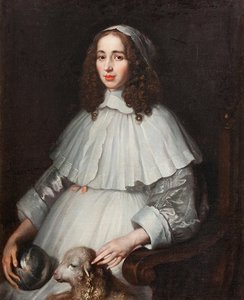
caspar merian the younger
1627 - 1686 , Germany
Quick Facts
- Artistic Movement Or Style: Cartography, Engraving
- Artists Who Influenced This Artist: ['Matthäus Merian the Elder']
- Date Of Birth: 1627
- Date Of Death: 1686
- Full Name: Caspar Merian the Younger
- Nationality: German
- Place Of Birth: Frankfurt, Germany