 Preview
 Send
Send Share
Share
 Details

 Download
 Similars
 X-Ray
X-Ray Diaporama
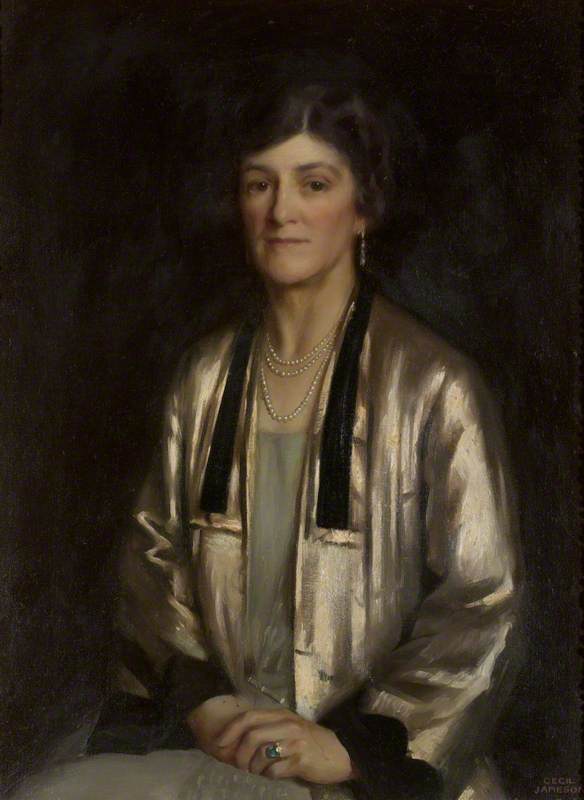
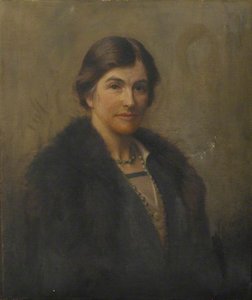
Charlotte Gilding (1881–1972), Lady Iliffe
 Contemporary Realism
 77.0 x 98.0 cm
 Reading Museum
 Read More
Purchase a high-resolution, enhanced digital image, far superior to the online preview.
Each file is meticulously prepared by our in-house specialists using advanced tools and expert manual retouching. We ensure every image has exceptional clarity, precise color accuracy, and fine detail.
The final file is delivered via email within 72 hours, optimized for immediate use in professional, editorial, and print environments. This is the same quality trusted by top-tier design studios, publishers, and galleries.
Digital Image
Download a high-resolution file for personal display, printing, and creative projects. ( Buy Print Buy Hand Made Painting)
Included in Every Digital Image Order
Expert Digital Delivery, Guaranteed
When you choose ArtsDot.com, you're not just getting an image - you're receiving a professionally enhanced digital artwork, crafted with precision and backed by a satisfaction guarantee. Here's everything that comes with your order, automatically:

Fast Email Delivery
Your high-resolution digital image file will be emailed to you within 72 hours of ordering - ready for immediate use.

AI-Enhanced Digital File
Your artwork is professionally optimized using advanced AI tools and manual editing, ensuring maximum detail, clarity, and color accuracy.

Free Lifetime Re-Delivery
Accidentally deleted or lost your file? No worries - we'll resend it to you anytime, free of charge.

No Import Fees - Ever
Enjoy your artwork instantly with zero customs, duties, or delivery fees - digital downloads are always tax-free.

Color Accuracy Guarantee
We ensure your digital image reflects the original colors as closely as possible using professional tools and color management.

60-Day Satisfaction Guarantee
If you're not satisfied with your digital image, we'll revise it or refund 100% within 60 days - no questions asked.

100% Money-Back Guarantee
Not satisfied? Get a full refund within 60 days of receiving your digital file - no questions asked.

Bulk Order Discounts
Buy 3 images, save 10% - Buy 5, save 15% - Buy 10+, save 20%. Great for creative projects, galleries, and agencies.
Related Artworks

Artist Biography
A Chronicler of British Society: The Life and Art of Cecil Stuart Jameson
Cecil Stuart Jameson (1900-1980) occupies a unique position in the annals of 20th-century portraiture. While not a household name like his contemporary, Cecil Beaton, Jameson’s work provides an equally compelling – and often more intimate – glimpse into the lives of British aristocracy, artistic circles, and high society during a period of immense social change. His career spanned decades, capturing the elegance, anxieties, and evolving spirit of an era through meticulously crafted photographs that blend technical skill with a keen understanding of his subjects’ public personas and private selves. Born in England at the turn of the century, Jameson's early life remains somewhat shrouded in mystery; details are scarce, but it is known he developed a passion for photography from a young age, quickly mastering the techniques of the time – platinum printing, bromide manipulation, and later, colour processes. He established his studio in London during the 1920s, a period brimming with artistic experimentation and social liberation, setting the stage for a career dedicated to documenting the faces that defined British culture.The Studio Years: Capturing an Era of Elegance
Jameson’s studio quickly became a favoured destination for those seeking portraits that projected sophistication and grace. He wasn't merely taking pictures; he was constructing images, carefully controlling lighting, posing, and background to create a specific mood and narrative. His early work is characterized by a classic aesthetic – soft focus, flattering angles, and an emphasis on the sitter’s attire and accessories. However, what set Jameson apart was his ability to move beyond superficial glamour. He possessed a remarkable talent for capturing personality, revealing subtle nuances of character through expression and gesture. His portraits of socialites were not simply records of wealth and status; they hinted at inner lives, ambitions, and vulnerabilities. The influence of early Hollywood portraiture is evident in his work, particularly the style popularized by Edward Steichen and Beaton himself, but Jameson developed a distinct voice – less overtly theatrical than Beaton, more focused on quiet dignity and understated elegance. He skillfully employed props and settings to suggest context without overwhelming the subject, often utilizing luxurious interiors or carefully chosen landscapes as backdrops.Royal Commissions and Artistic Circles
The 1930s marked a turning point in Jameson’s career with his first royal commissions. While details of these assignments are often confidential, it is known he photographed members of the British Royal Family, solidifying his reputation as a photographer capable of handling high-profile subjects with discretion and artistry. This success opened doors to a wider network of influential patrons, including artists, writers, and theatre personalities. Jameson became a sought-after portraitist within these circles, documenting the creative luminaries of the day. He developed close working relationships with many of his sitters, resulting in portraits that feel remarkably intimate and revealing. Unlike some photographers who maintained a strict professional distance, Jameson fostered a collaborative atmosphere, encouraging his subjects to relax and express themselves authentically. This approach is evident in the warmth and spontaneity of his portraits, which often capture unguarded moments of creativity and contemplation.Technological Adaptations and Enduring Legacy
The post-war era brought new challenges and opportunities for Jameson. The advent of colour photography demanded a shift in technique and aesthetic sensibility. He embraced these changes, mastering the complexities of Kodachrome and other colour processes while retaining his signature style. His later portraits are characterized by vibrant hues and increased realism, yet they still possess the same sense of elegance and psychological depth as his earlier work. Throughout his career, Jameson remained committed to traditional printing methods, meticulously hand-processing each image to ensure the highest quality results. His dedication to craftsmanship set him apart in an increasingly commercialized industry. While he never achieved the widespread fame of some of his contemporaries, Cecil Stuart Jameson’s work continues to be admired for its technical brilliance, artistic sensitivity, and insightful portrayal of British society during a transformative period. His images offer a valuable window into the lives of those who shaped the cultural landscape of the 20th century – a timeless legacy captured through the lens of a master portraitist.Influences and Historical Significance
- Early Hollywood Portraiture: The glamour and technical sophistication of photographers like Edward Steichen and George Hurrell significantly influenced Jameson’s early style.
- Cecil Beaton: While distinct in his approach, Jameson shared a similar fascination with British aristocracy and high society, and was often compared to Beaton.
- Platinum Printing Techniques: His mastery of platinum printing contributed to the soft focus and tonal richness characteristic of his early work.