

 Preview
 Send
Send Share
Share
 Details

 Download
 Similars
 X-Ray
X-Ray Diaporama
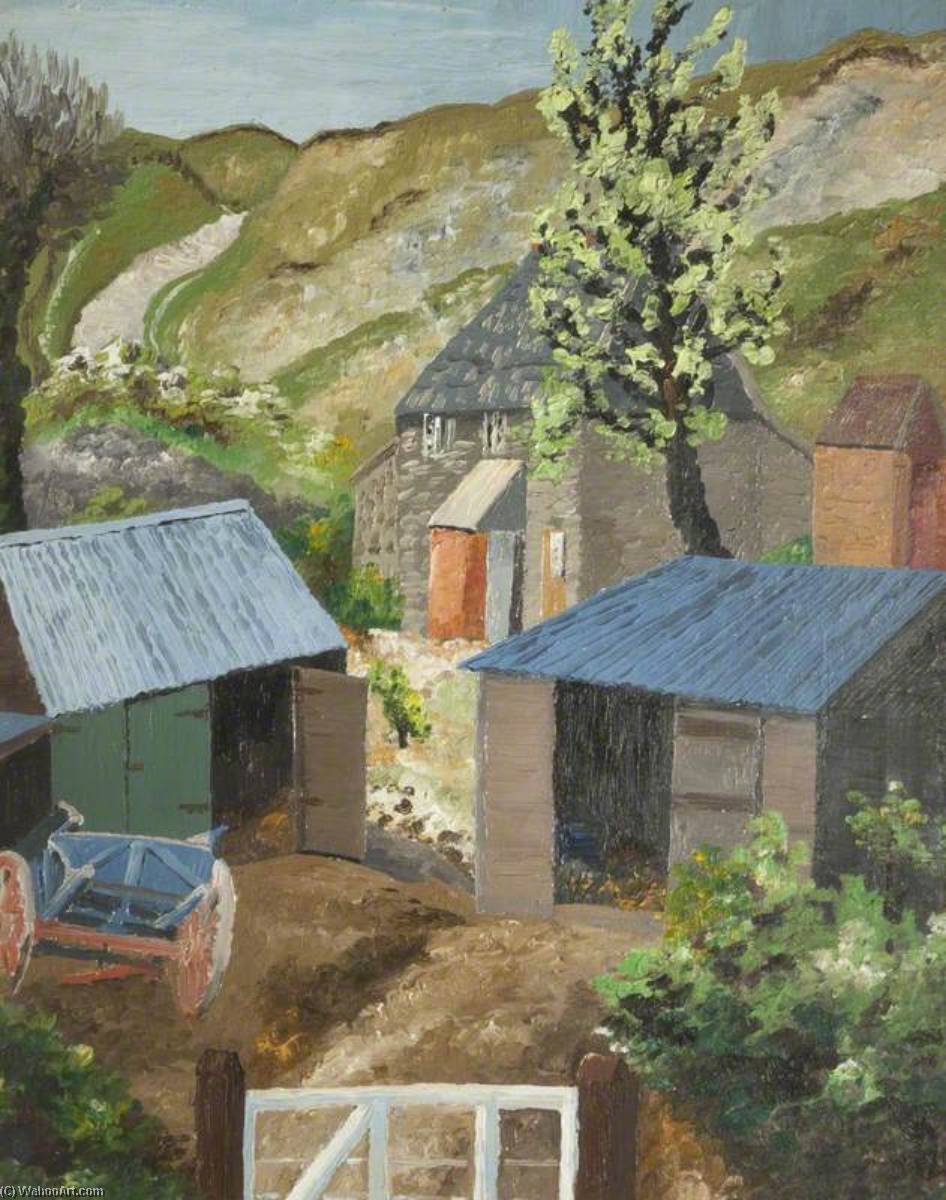
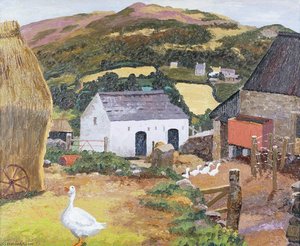
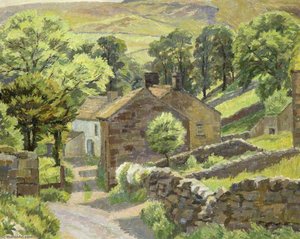
The Farmyard, Dorset
 Oil On Canvas
- WallArt
- Impressionism
 1928
1928 62.0 x 53.0 cm
 Harris Museum - Art Gallery
 Read More
Purchase a high-resolution, enhanced digital image, far superior to the online preview.
Each file is meticulously prepared by our in-house specialists using advanced tools and expert manual retouching. We ensure every image has exceptional clarity, precise color accuracy, and fine detail.
The final file is delivered via email within 72 hours, optimized for immediate use in professional, editorial, and print environments. This is the same quality trusted by top-tier design studios, publishers, and galleries.
Digital Image
Download a high-resolution file for personal display, printing, and creative projects. ( Buy Print Buy Hand Made Painting)
Included in Every Digital Image Order
Expert Digital Delivery, Guaranteed
When you choose ArtsDot.com, you're not just getting an image - you're receiving a professionally enhanced digital artwork, crafted with precision and backed by a satisfaction guarantee. Here's everything that comes with your order, automatically:

Fast Email Delivery
Your high-resolution digital image file will be emailed to you within 72 hours of ordering - ready for immediate use.

AI-Enhanced Digital File
Your artwork is professionally optimized using advanced AI tools and manual editing, ensuring maximum detail, clarity, and color accuracy.

Free Lifetime Re-Delivery
Accidentally deleted or lost your file? No worries - we'll resend it to you anytime, free of charge.

No Import Fees - Ever
Enjoy your artwork instantly with zero customs, duties, or delivery fees - digital downloads are always tax-free.

Color Accuracy Guarantee
We ensure your digital image reflects the original colors as closely as possible using professional tools and color management.

60-Day Satisfaction Guarantee
If you're not satisfied with your digital image, we'll revise it or refund 100% within 60 days - no questions asked.

100% Money-Back Guarantee
Not satisfied? Get a full refund within 60 days of receiving your digital file - no questions asked.

Bulk Order Discounts
Buy 3 images, save 10% - Buy 5, save 15% - Buy 10+, save 20%. Great for creative projects, galleries, and agencies.
Collectible Description
A Snapshot of Rural Tranquility: Cedric Lockwood Morris’s ‘The Farmyard’
Cedric Lockwood Morris's “The Farmyard,” painted in 1928, isn’t merely a depiction of a Dorset landscape; it’s an embodiment of the Impressionist spirit distilled into a serene pastoral scene. This oil painting captures not just what the eye sees but also the feeling—a palpable stillness punctuated by subtle shifts of light and color that speak to the beauty inherent in simplicity. Morris, deeply rooted in the burgeoning British Bloomsbury Group, sought to move beyond academic realism towards conveying atmosphere and emotion, mirroring a broader artistic trend toward subjective experience.Style & Technique: Impressionistic Brushstrokes
Morris’s masterful technique exemplifies Impressionism's core principles. Rather than meticulously rendering every detail—a characteristic of earlier artistic movements—he employs loose, expressive brushstrokes to build up layers of pigment on canvas. These strokes aren’t blended smoothly; instead, they retain their individual marks, creating a textured surface that mimics the dappled sunlight filtering through the trees and reflecting off the weathered surfaces of buildings. The artist prioritizes capturing the fleeting effects of light and shadow, resulting in an image imbued with warmth and luminosity. This deliberate disregard for precise representation aligns perfectly with Morris’s fascination for color—a cornerstone of Impressionist art.Composition & Visual Narrative
The painting's composition draws the viewer's eye upwards from a foreground dominated by a sturdy cart and fence – symbols of rural labor and practicality – towards a cluster of structures: a modest barn, a shed, and a larger building adorned with thatch. Dominating the hillside is a solitary tree, its branches reaching skyward against an overcast backdrop. Morris skillfully utilizes converging lines to create depth, guiding the eye through the landscape and emphasizing the grandeur of nature. The muted color palette—dominated by earthy tones—further enhances the painting’s contemplative mood, fostering a sense of connection with the natural world.Symbolism & Emotional Resonance
“The Farmyard” transcends its visual representation; it resonates with deeper symbolic meanings. The rural setting evokes nostalgia for a bygone era and celebrates the virtues of pastoral life – honesty, resilience, and harmony with surroundings. The tree, often representing strength and longevity, stands as a beacon of stability amidst the changing seasons. More broadly, Morris’s work speaks to an appreciation for beauty found in everyday experiences—a sentiment that aligns with the Bloomsbury Group's humanist philosophy. It invites contemplation and offers solace through its quiet grandeur.A Legacy of Color & Feeling
Morris’s “The Farmyard” remains a testament to Impressionism’s enduring power to capture not just what is seen but how it feels. Its meticulous technique, combined with its evocative composition and symbolic richness, ensures that this painting continues to inspire admiration and appreciation for generations to come. Reproductions of this masterpiece offer collectors and interior designers alike the opportunity to bring a touch of Bloomsbury elegance into their homes—a celebration of color, texture, and the timeless beauty of the English countryside.Related Artworks
Artist Biography
A Life Rooted in Colour: The World of Cedric Lockwood Morris
Sir Cedric Lockwood Morris, born December 11, 1889, in Sketty, Swansea, was a figure who defied easy categorization. Descended from a lineage connected to the founders of the Dulwich Picture Gallery, his early life hinted at privilege and tradition, yet he embarked on a path that led him far from conventional expectations. The son of George Lockwood Morris, an industrialist and celebrated rugby international, and Wilhelmina Cory, Cedric’s upbringing was steeped in both physical prowess and artistic sensibility – a duality that would profoundly shape his creative journey. Initial attempts at a military commission proved unsuccessful, leading to periods of wandering and work across Canada and New York City before he ultimately found himself drawn towards the burgeoning art scene of early 20th-century Paris. A brief foray into musical studies at the Royal College of Music in London was quickly superseded by an undeniable calling to paint, marking a pivotal shift in his life’s direction.From Parisian Studios to East Anglian Landscapes
Morris's formal artistic training began at the Académie Delécluse in Montparnasse in 1914, a period of intense creative ferment. The outbreak of World War I interrupted this study; deemed unfit for combat due to a childhood operation, he served with the Artists’ Rifles before being assigned to train horses – an experience that undoubtedly honed his keen observation of animal form and movement. It was in 1918 that a defining relationship blossomed: his partnership with Arthur Lett-Haines. This artistic and personal alliance would prove central to Morris's life and work, fostering a collaborative spirit that extended beyond their individual canvases. Early influences were drawn from Impressionism and Post-Impressionism, visible in his initial landscapes and portraits, but these foundations soon gave way to a uniquely expressive style. The vibrant hues and bold brushwork that would become his signature began to emerge as he increasingly focused on the natural world around him, particularly the East Anglian countryside after settling there with Lett-Haines. He wasn’t merely depicting what he saw; he was conveying its *feeling*, its essence.A Celebration of Flora and a Legacy of Teaching
Cedric Lockwood Morris is perhaps best remembered for his captivating flower paintings. These weren't botanical illustrations in the traditional sense, but rather intensely personal interpretations of blooms – explosions of colour and texture that captured their fleeting beauty with remarkable vitality. Critics often likened his work to that of Van Gogh or Utrillo, but accessible to a wider audience— “a Van Gogh or Utrillo for those of modest means,” as one commentator noted. Beyond flowers, Morris produced numerous portraits, revealing a talent for capturing the character and personality of his sitters, and landscapes imbued with an expressive energy. A significant chapter in his career unfolded in 1935 when he was commissioned to paint large-scale flower murals aboard the luxurious ocean liner Queen Mary, bringing his vibrant vision to a wider public. However, perhaps his most enduring legacy lies in co-founding the East Anglian School of Painting and Drawing at Benton End, Suffolk, with Lett-Haines in 1937. This school became a haven for aspiring artists, including luminaries such as Lucian Freud and Maggi Hambling, emphasizing feeling and personal expression over strict academic representation – a philosophy that profoundly influenced a generation of British artists.Later Years and Rediscovered Recognition
Despite his earlier successes, Morris experienced a period of relative obscurity following World War II. However, in the later years of his life, a renewed appreciation for his work began to emerge. His political activism with the Hadleigh Labour Party in the late 1930s reflected a broader engagement with social issues, adding another layer to his complex persona. He died on February 8, 1982, in Hadleigh, Suffolk, leaving behind a body of work that continues to captivate and inspire. Today, Cedric Lockwood Morris is recognized as a significant figure in British art of the 20th century – a unique blend of observation, expression, and an unwavering commitment to his artistic vision. His influence extends beyond his paintings; through the East Anglian School, he fostered a spirit of experimentation and individuality that continues to resonate within the British art world.Key Facts & Enduring Influence
- Titles: Sir (1947), 9th Baronet
- Nationality: British
- Movement: Associated with Modern British Art
- Media: Oil paint, watercolor
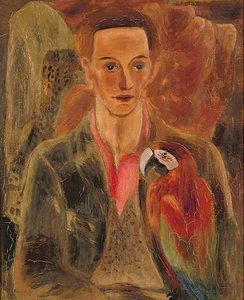
Cedric Lockwood Morris
1889 - 1982 , United Kingdom
Quick Facts
- Artistic Movement Or Style: Modern British Art
- Artists Or Movements Influenced By This Artist:
- Lucian Freud
- Maggi Hambling
- Artists Who Influenced This Artist:
- Impressionism
- Post-Impressionism
- Date Of Birth: December 11, 1889
- Date Of Death: February 8, 1982
- Full Name: Cedric Lockwood Morris
- Nationality: British
- Notable Artworks:
- Near Cagnes
- Halcyon
- Monchique Foothills
- Place Of Birth: Sketty, UK

