 Preview
 Send
Send Share
Share
 Details

 Download
 Similars
 X-Ray
X-Ray Diaporama
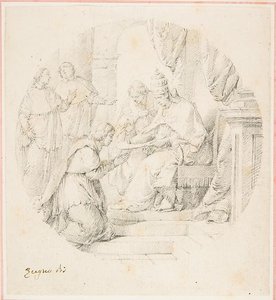
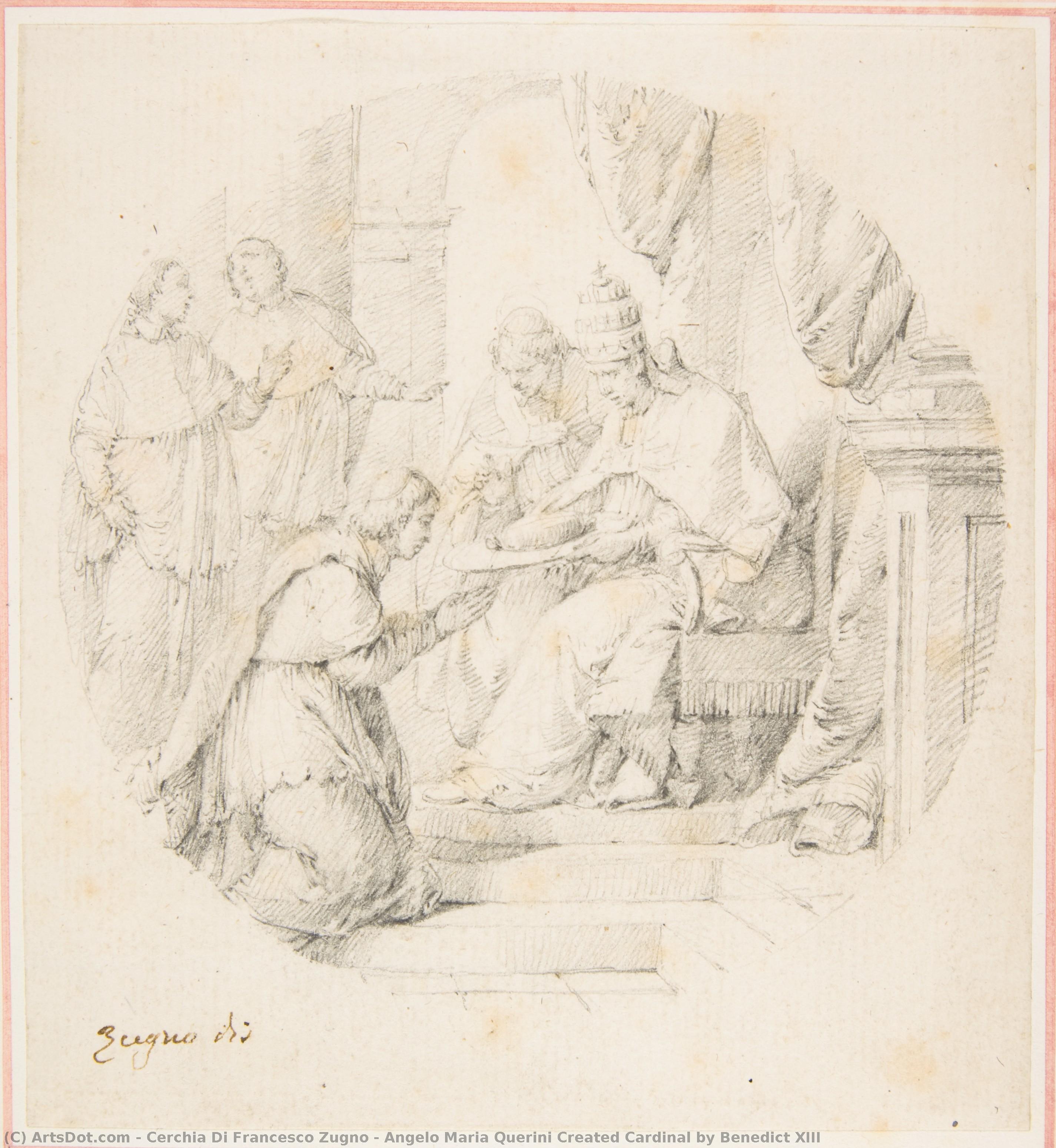
Angelo Maria Querini Created Cardinal by Benedict XIII
 1709
1709 15.0 x 14.0 cm
 Read More
Hand Made Oil Reproduction
Hand-painted oil on canvas in your size and frame, made to order by our artists. ( Buy Print Buy Image)




































Pick from our preset sizes that match the artwork's original proportions.

You may enter your own dimensions to fit a specific frame or space. If your selected size does not match the original image's proportions, we will either crop the artwork or extend the painting with additional hand-painted elements. A digital mockup will be sent for your approval before production begins.
Please note that the on-screen preview does not reflect the actual cropping or extension. Only the mockup will accurately show the final composition.
While custom sizes are available, we recommend selecting a dimension from the predefined list to preserve the original proportions.
After order, ArtsDot.com team will email client for instructions and provide a mockup preview
Worldwide Delivery () in 3/4 weeks instead of standard 5 weeks. (17 August). No compromise on quality.

Free Worldwide Express Shipping

High-Quality Linen Canvas

Full Shipping Insurance

Customs Tax Refund Guarantee

True Color Matching Guarantee

60-Day Return Policy (Defects Only)

100% Money-Back Guarantee

Bulk Discount Offer
 Glass option is only available in size under 110 CM

Angelo Maria Querini Created Cardinal by Benedict XIII
Reproduction Medium
Reproduction Size
-


Total Price
$ 263
Related Artworks
Artist Biography
Francesco Zugno (cerchia di francesco zugno): Venetian Rococo and Tiepolo’s Legacy
Francesco Zugno, born circa 1708 in Venice, remains a shadowy figure within the vibrant tapestry of eighteenth-century Venetian art. Despite limited biographical details surviving from his lifetime—primarily gleaned from contemporary accounts—his artistic output speaks volumes about his talent and contribution to the Rococo style, particularly through collaborations with the towering genius Giovanni Battista Tiepolo. This article delves into Zugno’s life, explores his distinctive oeuvre, examines his formative influences, celebrates his pivotal achievements, and assesses his enduring legacy as a painter of considerable distinction. ### Early Life and Artistic Training Information regarding Zugno's origins is scarce. He descended from an ancient Venetian noble family—the Zugni—whose artistic lineage stretched back to the fifteenth century, notably featuring Giambattista Zugno, a painter active during that era. His father, Faustino Zugno, recognized his son’s aptitude for art and encouraged him to pursue formal training at the Accademia di Venezia (Academy of Venice), established in 1754. This institution fostered a tradition of artistic excellence, prioritizing meticulous observation and technical mastery—principles undoubtedly instilled in Zugno during his formative years. Crucially, Zugno's education coincided with the ascendancy of Tiepolo’s influence, shaping his aesthetic sensibilities and propelling him toward a career dedicated to replicating Tiepolo’s groundbreaking innovations. ### Collaboration with Giovanni Battista Tiepolo: A Defining Partnership Zugno’s artistic trajectory took its most decisive turn when he enrolled in Tiepolo's workshop around 1730. This association proved transformative, establishing Zugno as a disciple and collaborator of one of Venice’s foremost painters. Together, they embarked on ambitious fresco commissions—most notably for the Palazzo Labia—where Zugno skillfully executed quadratura panels alongside Tiepolo’s monumental canvases. These collaborative endeavors exemplify Zugno's ability to synthesize Tiepolo’s stylistic grandeur with his own nuanced artistic vision. The resulting frescoes are characterized by intricate architectural illusionism and a masterful command of color, reflecting Tiepolo’s pioneering techniques and cementing Zugno’s reputation as a virtuoso of Venetian Rococo painting. ### Notable Works and Artistic Style Zugno's artistic style is undeniably indebted to Tiepolo’s influence—evident in his penchant for expansive compositions, luminous palettes, and meticulous attention to detail. However, Zugno possessed a distinctive voice that distinguished him from his mentor. His frescoes for Villa Soderini-Bertti showcase a remarkable sensitivity to decorative motifs and textural contrasts, demonstrating Zugno's ability to imbue surfaces with palpable atmosphere. Furthermore, Zugno’s exploration of genre painting—particularly portraits—revealed an astute understanding of human psychology and a subtle elegance in rendering expressive gestures and facial expressions. His paintings are imbued with a melancholic beauty that resonates with the spirit of Venetian Rococo, capturing fleeting moments of emotion and conveying profound artistic insight. ### Legacy and Influence Francesco Zugno’s contribution to Venetian art history may not be as widely celebrated as Tiepolo's, yet his work stands as testament to the enduring power of collaboration and stylistic innovation. His frescoes continue to captivate viewers with their breathtaking illusionism and evocative atmosphere—a legacy firmly rooted in Tiepolo’s pioneering vision. Zugno’s artistic training at the Accademia di Venezia ensured that his techniques and sensibilities would be passed down through generations of Venetian painters, shaping the aesthetic landscape of the eighteenth century. Ultimately, Francesco Zugno remains a compelling figure—a quiet innovator who skillfully navigated the currents of Rococo art while honoring the indelible imprint of Giovanni Battista Tiepolo’s genius.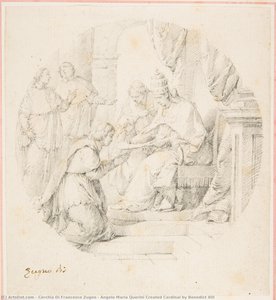
cerchia di francesco zugno
1708 - 1787
Quick Facts
- Artistic Movement Or Style: Rococo
- Artists Or Movements Influenced By This Artist: ['']
- Artists Who Influenced This Artist: ['Giovanni Battista Tiepolo']
- Date Of Death: 1787
- Full Name: Francesco Zugno
- Nationality: Italian
- Notable Artworks:
- Angelo Maria Querini Created Cardinal by Benedict XIII
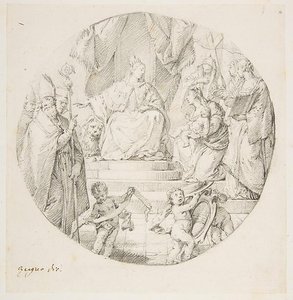
- Nobility Presenting an Infant to Venice
- Place Of Birth: Venice