

 Preview
 Send
Send Share
Share
 Details

 Download
 Similars
 X-Ray
X-Ray Diaporama
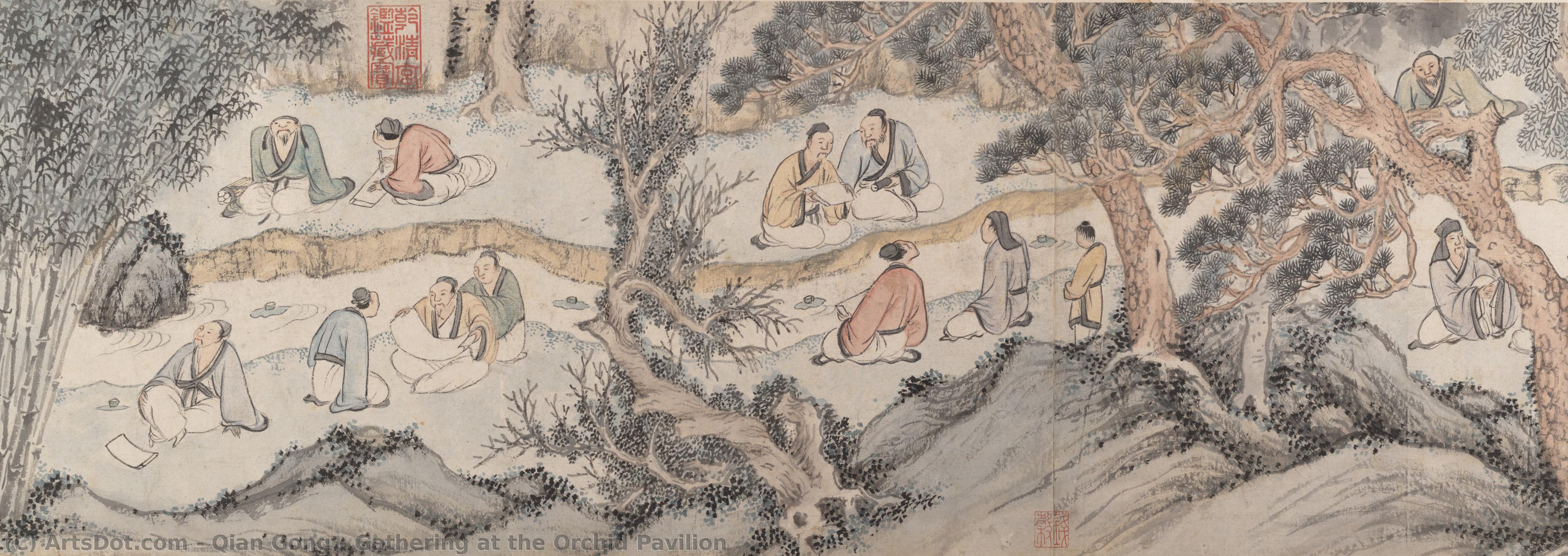
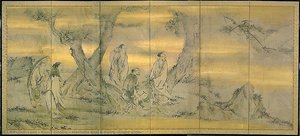
Gathering at the Orchid Pavilion
 Suzhou School
 1560
1560 24.0 x 436.0 cm
 Read More
Purchase a high-resolution, enhanced digital image, far superior to the online preview.
Each file is meticulously prepared by our in-house specialists using advanced tools and expert manual retouching. We ensure every image has exceptional clarity, precise color accuracy, and fine detail.
The final file is delivered via email within 72 hours, optimized for immediate use in professional, editorial, and print environments. This is the same quality trusted by top-tier design studios, publishers, and galleries.
Digital Image
Download a high-resolution file for personal display, printing, and creative projects. ( Buy Print Buy Hand Made Painting)
Included in Every Digital Image Order
Expert Digital Delivery, Guaranteed
When you choose ArtsDot.com, you're not just getting an image - you're receiving a professionally enhanced digital artwork, crafted with precision and backed by a satisfaction guarantee. Here's everything that comes with your order, automatically:

Fast Email Delivery
Your high-resolution digital image file will be emailed to you within 72 hours of ordering - ready for immediate use.

AI-Enhanced Digital File
Your artwork is professionally optimized using advanced AI tools and manual editing, ensuring maximum detail, clarity, and color accuracy.

Free Lifetime Re-Delivery
Accidentally deleted or lost your file? No worries - we'll resend it to you anytime, free of charge.

No Import Fees - Ever
Enjoy your artwork instantly with zero customs, duties, or delivery fees - digital downloads are always tax-free.

Color Accuracy Guarantee
We ensure your digital image reflects the original colors as closely as possible using professional tools and color management.

60-Day Satisfaction Guarantee
If you're not satisfied with your digital image, we'll revise it or refund 100% within 60 days - no questions asked.

100% Money-Back Guarantee
Not satisfied? Get a full refund within 60 days of receiving your digital file - no questions asked.

Bulk Order Discounts
Buy 3 images, save 10% - Buy 5, save 15% - Buy 10+, save 20%. Great for creative projects, galleries, and agencies.
Collectible Description
Related Artworks

Artist Biography
Frans Hals: A Master of Light and Life
Born in Antwerp around 1582 or 1583, Frans Hals emerged from a family deeply rooted in the cloth trade, a circumstance that ultimately led his parents to relocate their business to Haarlem, a vibrant center of commerce and artistic innovation during the Dutch Golden Age. While specific details about his early training remain somewhat elusive – largely due to the scarcity of contemporary accounts – it’s believed he received instruction from Karel van Mander I, a renowned art theorist and painter, around the year 1600-1603. This connection undoubtedly provided him with a foundational understanding of artistic principles and techniques, though Hals quickly developed his own distinctive style, one that would soon eclipse even the considerable talents of his mentor.
Haarlem in the early 17th century was a city brimming with opportunity and a burgeoning merchant class eager to adorn their homes with works of art. This created a fertile environment for Hals’s career to flourish. Unlike many of his contemporaries who sought patronage from the wealthy elite, Hals initially gained recognition through commissions from civic institutions – the Saint George Civic Guard, for example – producing monumental group portraits that captured the energy and camaraderie of these organizations. These early works, notably the 1616 depiction of the guard’s officers, established him as a skilled artist capable of conveying both formal precision and dynamic movement.
- Early Portraits (1612-1624): Hals's initial portraits showcased a remarkable ability to capture likeness with a degree of realism rarely seen at the time.
- Civic Guard Commissions (1616): These large group paintings demonstrated his mastery of composition and capturing multiple figures in a single frame.
- The Gypsy Girl (1624) & Laughing Cavalier (c. 1625): These iconic works exemplify Hals’s signature style – characterized by loose brushwork, vibrant colors, and an engaging portrayal of human character.
The Unique Style of a Master
What truly distinguishes Frans Hals from his peers is not merely technical skill, but rather his revolutionary approach to portraiture. Unlike the polished, idealized representations favored by many of his contemporaries, Hals’s portraits are imbued with an immediacy and vitality that feels remarkably contemporary even today. He employed a technique known as “staccato” brushwork – short, broken strokes applied rapidly and directly to the canvas – creating a shimmering surface texture that seems to capture the fleeting expressions and movements of his subjects. This method, combined with his use of bright, often unconventional colors, gives his paintings an unparalleled sense of life.
Hals’s portraits are not simply likenesses; they are psychological studies. He skillfully captures the personalities of his sitters – their moods, their quirks, and their inner lives – through subtle shifts in expression, gesture, and gaze. Whether depicting a jovial laughing cavalier, a serious merchant, or a lively group of musicians, Hals manages to convey a sense of genuine humanity that is both captivating and deeply affecting. His subjects are rarely posed formally; instead, they appear caught in moments of spontaneous interaction, as if the artist simply stepped back from their world and captured it on canvas.
Influences and Legacy
While Hals’s artistic lineage can be traced to the Mannerist painters who preceded him – particularly Karel van Mander I – his style ultimately diverged significantly from established conventions. He drew inspiration from a diverse range of sources, including the works of Rembrandt, Vermeer, and even earlier Dutch masters like Cornelis van Haarlem. However, Hals’s unique combination of technical skill, psychological insight, and expressive brushwork quickly set him apart.
Remarkably, in the second half of the 19th century, Hals experienced a resurgence of popularity, largely due to the influence of French Realist and Impressionist painters. Artists such as Courbet, Manet, Monet, Van Gogh, Sargent, and Whistler were deeply inspired by his bold brushwork, vibrant colors, and ability to capture the essence of human experience. This renewed interest in Hals’s work cemented his place among the greatest Dutch masters of the Golden Age, alongside Rembrandt and Vermeer.
Later Years and Enduring Significance
Despite facing personal hardships – including the loss of his wife in 1615 – Frans Hals continued to paint prolifically throughout his life. In his later years, he produced a series of poignant portraits of elderly residents of an almshouse in Haarlem, capturing their wisdom and dignity with remarkable sensitivity. These works, completed around 1664 when he was over eighty years old, stand as testaments to his enduring artistic vision and unwavering commitment to portraying the complexities of human life.
Frans Hals died in Haarlem on August 26, 1666, leaving behind a remarkably rich and diverse body of work. His paintings continue to captivate audiences today with their immediacy, vitality, and profound understanding of the human condition. He remains one of the most beloved and influential portraitists in art history, a true master of light, life, and the enduring power of the painted image.
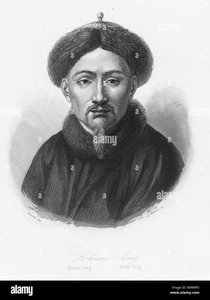
ch'ien kung
1582 - 1664 , China
Quick Facts
- Artistic Movement Or Style: Genre painter
- Artists Or Movements Influenced By This Artist:
- Rembrandt
- Vermeer
- Impressionists
- Artists Who Influenced This Artist: ['Karel van Mander I']
- Date Of Birth: c. 1582/83
- Date Of Death: 1666
- Full Name: Frans Hals
- Nationality: Dutch
- Notable Artworks:
- The Gypsy Girl
- Laughing Cavalier
- Laughing Boy
- Place Of Birth: Antwerp, Spain

