 Preview
 Send
Send Share
Share
 Details

 Download
 Similars
 X-Ray
X-Ray Diaporama
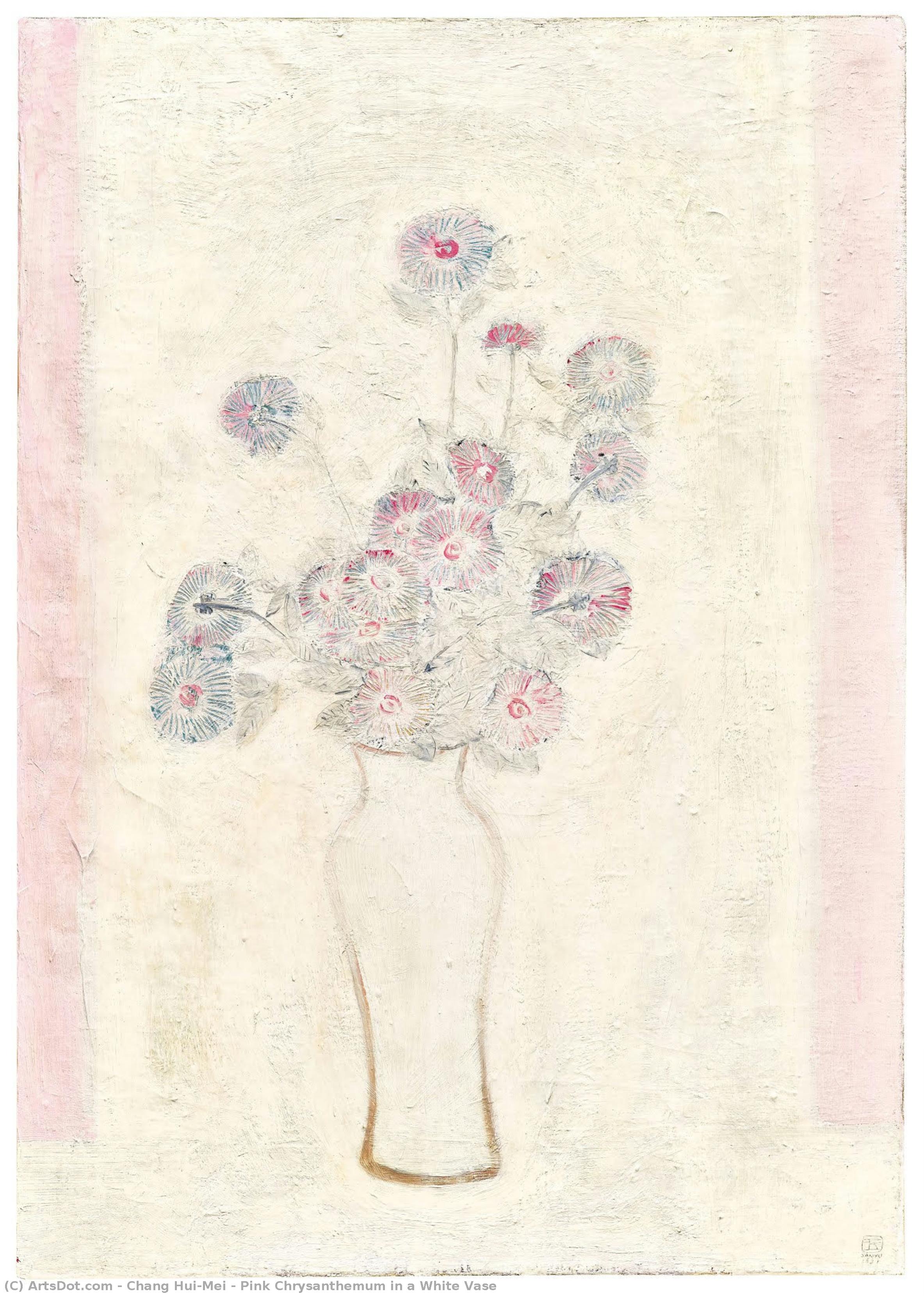
Pink Chrysanthemum in a White Vase
 1931
1931 100.0 x 70.0 cm
 Song Art Museum
 Read More
Giclée / Art Print
Museum-quality giclée or canvas print with fast production and flexible finish options. ( Buy Hand Made Painting Buy Image)




































Pick from our preset sizes that match the artwork's original proportions.

You may enter your own dimensions to fit a specific frame or space. If your selected size does not match the original image's proportions, we will either crop the artwork or extend the image with a mirrored or solid-fill edge. A digital mockup will be sent for your approval before production begins.
Please note that the on-screen preview does not reflect the actual cropping or extension. Only the mockup will accurately show the final composition.
While custom sizes are available, we recommend selecting a dimension from the predefined list to preserve the original proportions.
Worldwide Delivery () in 2 weeks instead of standard 4/5 weeks. (24 August)

Free Worldwide Express Shipping

High-Quality Linen Canvas

Full Shipping Insurance

Customs Tax Refund Guarantee

True Color Matching Guarantee

60-Day Return Policy (Defects Only)

100% Money-Back Guarantee

Bulk Discount Offer
 Glass option is only available in size under 110 CM

Pink Chrysanthemum in a White Vase
Giclée / Art Print
Reproduction Size
-


Total Price
$ 63
Collectible Description
Related Artworks







Artist Biography
A Voice of Taiwan: The Ascendancy of Chang Hui-mei
Chang Hui-mei, known universally as A-Mei, is more than a singer; she’s a cultural phenomenon woven into the very fabric of Taiwanese identity. Born Kulilay Amit on August 9, 1972, in Beinan Township, Taitung County, Taiwan, her story begins not in the glittering world of pop stardom but amidst the traditions and challenges faced by the Puyuma people, one of Taiwan’s indigenous tribes. This grounding profoundly shapes her artistry, imbuing it with a depth and authenticity rarely encountered in the Mandopop landscape. A-Mei's journey is one of breaking barriers – not just for herself, but for marginalized communities and advocating for social change through the power of music.
Early Life and Musical Awakening
Growing up in a family deeply connected to Puyuma heritage, A-Mei’s early life was steeped in tribal song and storytelling. Her parents, both respected leaders within their community, fostered her natural inclination towards performance. While many Taiwanese aborigines faced systemic discrimination and cultural displacement, the Amit household nurtured a strong sense of identity and pride. This upbringing instilled in A-Mei a deep connection to her roots, which would later become a defining characteristic of her work. Her initial foray into the public eye came through televised singing competitions in 1992, though early setbacks didn’t deter her passion. Encouraged by her father, she persevered and ultimately triumphed in another contest in 1994, marking the true beginning of her professional musical career. Tragically, her father passed away shortly after this victory, a loss that profoundly impacted A-Mei but also fueled her determination to honor his memory through her art.
From Pub Singer to Mandopop Icon
Following her competition win, A-Mei honed her skills performing in Taipei pubs with her cousin’s rock band. This period was crucial in developing her distinctive vocal style and stage presence – a raw energy combined with emotional vulnerability that captivated audiences. Her breakthrough arrived in 1996 with the release of her debut album, Jei Mei*. The single “Sister” quickly ascended the Taiwanese pop charts, launching A-Mei into superstardom. What followed was an unprecedented period of success, marked by a string of hit albums and sold-out concerts. However, A-Mei’s impact extended far beyond commercial achievements. She became a powerful voice for indigenous rights, using her platform to raise awareness about the challenges faced by Taiwan's aboriginal communities.
A Legacy of Advocacy and Artistic Evolution
Throughout her career, A-Mei has consistently challenged societal norms and championed causes close to her heart. Her outspoken support for LGBT rights and gender equality has made her a beloved figure within marginalized communities. She’s not afraid to tackle difficult subjects in her music, often weaving themes of social justice and personal empowerment into her lyrics. Her artistic evolution is equally remarkable. While initially known for powerful ballads, A-Mei has experimented with various genres – incorporating elements of R&B, dance, and even traditional Puyuma melodies into her sound. This willingness to push boundaries and embrace new influences has kept her music fresh and relevant for over two decades.
The “Queen of Mandopop” and Enduring Influence
A-Mei’s remarkable career longevity – having sold over 50 million records – coupled with her unwavering commitment to social justice, have cemented her status as a true icon. She is often referred to as the “Queen of Mandopop,” a title that reflects not only her musical prowess but also her cultural significance. She has been recognized by Forbes magazine for her philanthropic efforts and continues to inspire generations of artists and activists. A-Mei’s story is a testament to the power of music as a catalyst for change, proving that art can be both deeply personal and profoundly political. Her influence extends beyond Taiwan, resonating with audiences throughout the Sinophone world and solidifying her place as a true cultural ambassador.

chang hui-mei
1972 - , Taiwan
Quick Facts
- Artistic Movement Or Style: Mandopop
- Date Of Birth: August 9, 1972
- Full Name: Chang Hui-mei
- Nationality: Taiwanese
- Notable Artworks:
- Jumping Horses
- Pink Chrysanthemum
- Place Of Birth: Tainan, Taiwan