 Preview
 Send
Send Share
Share
 Details

 Download
 Similars
 X-Ray
X-Ray Diaporama
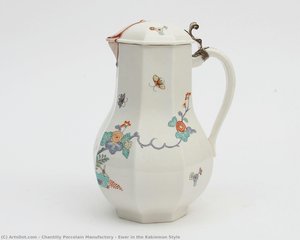
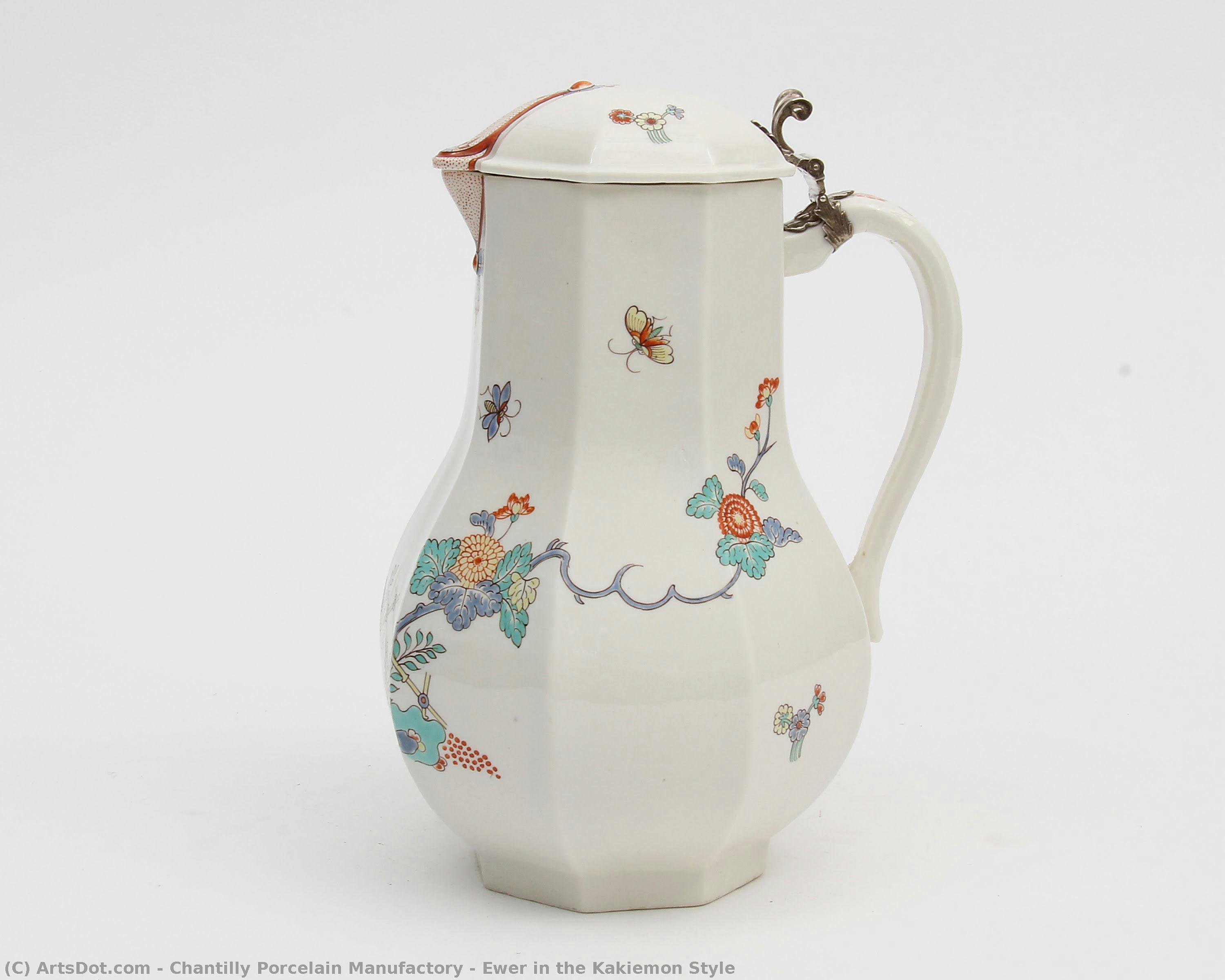
Ewer in the Kakiemon Style
 1740
1740 21.0 x 16.0 cm
 Gardiner Museum of Ceramic Art
 Read More
Giclée / Art Print
Museum-quality giclée or canvas print with fast production and flexible finish options. ( Buy Hand Made Painting Buy Image)




































Pick from our preset sizes that match the artwork's original proportions.

You may enter your own dimensions to fit a specific frame or space. If your selected size does not match the original image's proportions, we will either crop the artwork or extend the image with a mirrored or solid-fill edge. A digital mockup will be sent for your approval before production begins.
Please note that the on-screen preview does not reflect the actual cropping or extension. Only the mockup will accurately show the final composition.
While custom sizes are available, we recommend selecting a dimension from the predefined list to preserve the original proportions.
Worldwide Delivery () in 2 weeks instead of standard 4/5 weeks. (27 August)

Free Worldwide Express Shipping

High-Quality Linen Canvas

Full Shipping Insurance

Customs Tax Refund Guarantee

True Color Matching Guarantee

60-Day Return Policy (Defects Only)

100% Money-Back Guarantee

Bulk Discount Offer
 Glass option is only available in size under 110 CM

Ewer in the Kakiemon Style
Giclée / Art Print
Reproduction Size
-


Total Price
$ 63
Related Artworks

Artist Biography
Chantilly Porcelain Manufactory: A Legacy of Oriental Elegance
The Chantilly Porcelain Manufactory stands as a breathtaking testament to the burgeoning fascination with Asian artistry during the Enlightenment era in France. Established around 1730 by Jean-Baptiste Clément and Louis Eustache Bouchet, this workshop was far more than a mere pottery studio; it was a deliberate, ambitious attempt to recreate the splendor of Chinese porcelain production—specifically the coveted Kakiemon style—within French borders. At a time when the "white gold" of the Far East was the ultimate symbol of luxury and sophistication, the artisans at Chantilly sought to bridge the distance between the workshops of Jingdezhen and the aristocratic salons of Europe. The origins of this exquisite craft were rooted in the mastery of enamel gilding. Before settling in the serene environs of the Oise region, Clément and Bouchet operated in Rouen, honing their skills in decorative arts. Their move to the banks of the Nonette river, near the extensive park of the Château de Chantilly, was a pivotal moment that secured them royal patronage. Under the support of figures such as Louis Henri de Bourbon, the Prince de Condé, the manufactory flourished, transforming from a local endeavor into a prestigious institution capable of producing works that rivaled the finest imports from the Orient.The Artistry of the Kakiemon Influence
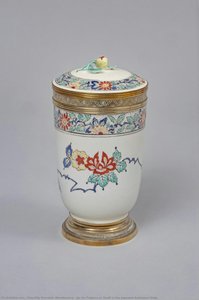
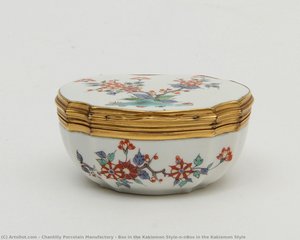
The soul of Chantilly porcelain lies in its profound connection to Eastern aesthetics. The designers at the manufactory meticulously studied Chinese and Japanese Kakiemon patterns, translating far-reaching motifs into a uniquely French vocabulary. This resulted in tableware and decorative objects adorned with stylized peony blossoms, lotus flowers, and chrysanthemums—botanical emblems that carried deep meanings of prosperity and purity rooted in Buddhist symbolism. Through their work, the delicate beauty of the East was reimagined through the lens of the Rococo spirit. Achieving this level of detail required immense technical skill and a willingness to endure significant experimental challenges. Unlike the hard-paste porcelains produced in Meissen or Vienna, Chantilly specialized in soft-paste porcelain. This medium offered a different tactile quality but presented immense difficulties in achieving the translucent glaze necessary to mimic the perfection of Chinese wares. The artisans engaged in an arduous process of experimentation with kiln firing temperatures and raw materials, striving to capture that elusive, ethereal glow. Their creations—ranging from snuffboxes shaped like cartouches to elegant ewers and tea wares—often featured vibrant glaze colors and meticulous hand-painted details that captured the imagination of the French elite.Historical Significance and Enduring Splendor
The trajectory of the Chantilly manufactory is often viewed through three distinct eras: an initial period of brilliance from 1730 to 1751, a secondary phase of refined production until 1760, and a gradual decline leading toward 1800. Despite the eventual waning of its dominance, the factory's impact on European ceramics was profound. It provided a sophisticated alternative to the increasingly dominant hard-paste porcelains of Germany, offering a softer, more painterly aesthetic that resonated with the French taste for elegance and intimacy. Today, the legacy of Chantilly porcelain remains preserved in the world's most esteemed collections, serving as a window into the opulent world of 18th-century aristocracy. The works produced during this era are not merely functional objects but are considered masterpieces of decorative art that embody the cultural ambitions of France. Through their pursuit of Oriental perfection, the creators at Chantilly successfully wove the delicate threads of Asian tradition into the very fabric of French artistic identity, leaving behind a shimmering heritage of porcelain that continues to captivate collectors and historians alike.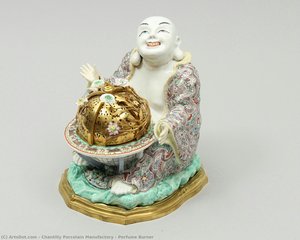
Quick Facts
- Artistic Movement Or Style: Oriental Designs
- Artists Or Movements Influenced By This Artist: ['Meissen Porcelain']
- Artists Who Influenced This Artist:
- Rouen Porcelain Manufactory
- Saint-Cloud Porcelain Manufactory
- Full Name: Chantilly Porcelain Manufactory
- Nationality: French
- Notable Artworks:
- Jar for Tobacco or Snuff in the Japanese Kakiemon Style
- Box in the Kakiemon Style
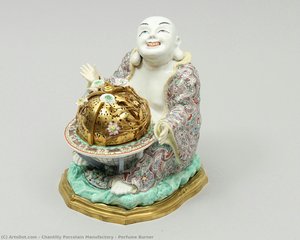
- Perfume Burner
- Place Of Birth: Oise, France