

 Preview
 Send
Send Share
Share
 Details

 Download
 Similars
 X-Ray
X-Ray Diaporama
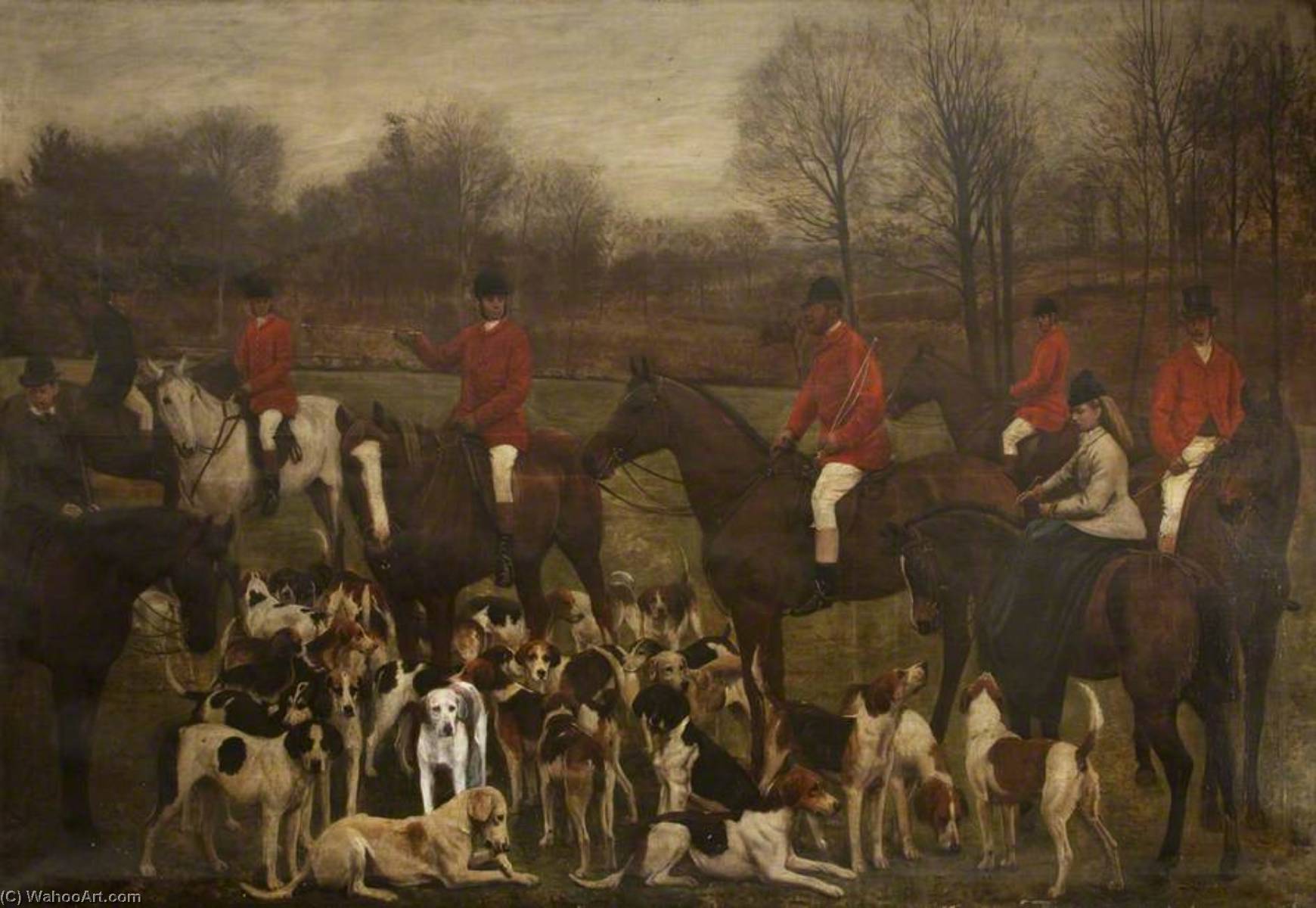
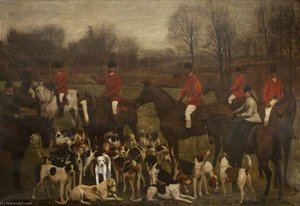
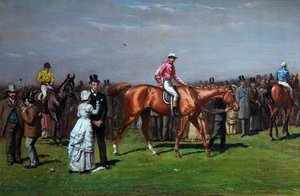
The Burnley Meet
 1875
1875 201.0 x 305.0 cm
 Read More
Hand Made Oil Reproduction
Hand-painted oil on canvas in your size and frame, made to order by our artists. ( Buy Print Buy Image)




































Pick from our preset sizes that match the artwork's original proportions.

You may enter your own dimensions to fit a specific frame or space. If your selected size does not match the original image's proportions, we will either crop the artwork or extend the painting with additional hand-painted elements. A digital mockup will be sent for your approval before production begins.
Please note that the on-screen preview does not reflect the actual cropping or extension. Only the mockup will accurately show the final composition.
While custom sizes are available, we recommend selecting a dimension from the predefined list to preserve the original proportions.
After order, ArtsDot.com team will email client for instructions and provide a mockup preview
Worldwide Delivery () in 3/4 weeks instead of standard 5 weeks. (23 August). No compromise on quality.

Free Worldwide Express Shipping

High-Quality Linen Canvas

Full Shipping Insurance

Customs Tax Refund Guarantee

True Color Matching Guarantee

60-Day Return Policy (Defects Only)

100% Money-Back Guarantee

Bulk Discount Offer
 Glass option is only available in size under 110 CM

The Burnley Meet
Reproduction Medium
Reproduction Size
-


Total Price
$ 263
Related Artworks









Artist Biography
Charles Augustus Henry Lutyens: The Architect of Imperial Vision
Charles Augustus Henry Lutyens (1829 – 1915) stands as one of Britain’s most celebrated architects, a figure inextricably linked to the grandeur and ambition of the Edwardian era and indelibly imprinted upon the landscape of India. More than simply constructing buildings; Lutyens crafted spaces that embodied ideals of order, permanence, and imperial authority—a legacy that continues to shape architectural discourse today.
- Early Life & Education: Born in Worcestershire, Lutyens’s fascination with architecture began early. He studied at Oxford University, initially intending to pursue theology but swiftly gravitating towards the burgeoning field of design. His formative years were spent absorbing influences from Gothic Revivalism and Beaux Arts principles – styles that would profoundly inform his subsequent artistic endeavors.
- The Arts and Crafts Movement: Lutyens’s involvement with the Arts and Crafts movement proved pivotal in shaping his aesthetic sensibilities. Collaborating closely with William Morris, he championed craftsmanship, simplicity, and a rejection of mass production—values that resonated deeply within him and underpinned his commitment to meticulous detailing and authentic materials.
- Architectural Breakthroughs: Lutyens’s breakthrough came with the design of Ely Cathedral in Cambridgeshire (1872-1874), marking a decisive departure from conventional ecclesiastical architecture. His innovative use of stained glass and sculptural ornamentation established him as a visionary innovator, attracting considerable acclaim.
- India Project & New Delhi: Lutyens’s most monumental achievement was undoubtedly the design of New Delhi—the capital city of British India—commissioned in 1902. Alongside Edwin Lutyens and Herbert Baker, he spearheaded a transformative urban planning project that established a distinctly Western aesthetic within an Eastern context. The result is a sprawling cityscape characterized by monumental buildings, wide boulevards, and meticulously landscaped gardens – a testament to imperial grandeur.
- Legacy & Influence: Lutyens’s influence extended far beyond his immediate projects. His stylistic principles—characterized by restrained ornamentation, geometric precision, and an unwavering dedication to quality craftsmanship—became hallmarks of British architectural practice for decades afterward. Furthermore, his vision of urban spaces as expressions of civic pride and cultural identity continues to inspire architects worldwide.
His meticulous attention to detail, combined with a profound understanding of both classical tradition and modern innovation, cemented Lutyens’s place among the titans of British architectural history. He died in London in 1915, leaving behind an enduring legacy—a collection of buildings that stand as symbols of imperial ambition and continue to captivate audiences with their beauty and grandeur.
charles augustus henry lutyens
1829 - 1915
Quick Facts
- Artistic Movement Or Style: Arts and Crafts
- Artists Who Influenced This Artist:
- William Morris
- Gustav Stickley
- Date Of Birth: 1829
- Date Of Death: 1915
- Full Name: Charles Augustus Henry Lutyens
- Nationality: British
- Notable Artworks:
- India Gate
- Houses of Parliament
- Scottish Rite Temple
- Place Of Birth: London, England

![Cottage, Knebworth, Hertfordshire County, England; [exterior elevations, floor plans, sketches]](/media/artworks/images-thumb/ab/c5/abc5b71551a5bee6c445c41fa3027a5a.jpg)

