 Preview
 Send
Send Share
Share
 Details

 Download
 Similars
 X-Ray
X-Ray Diaporama
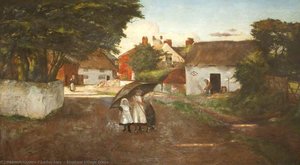
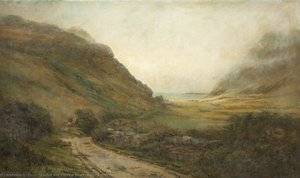
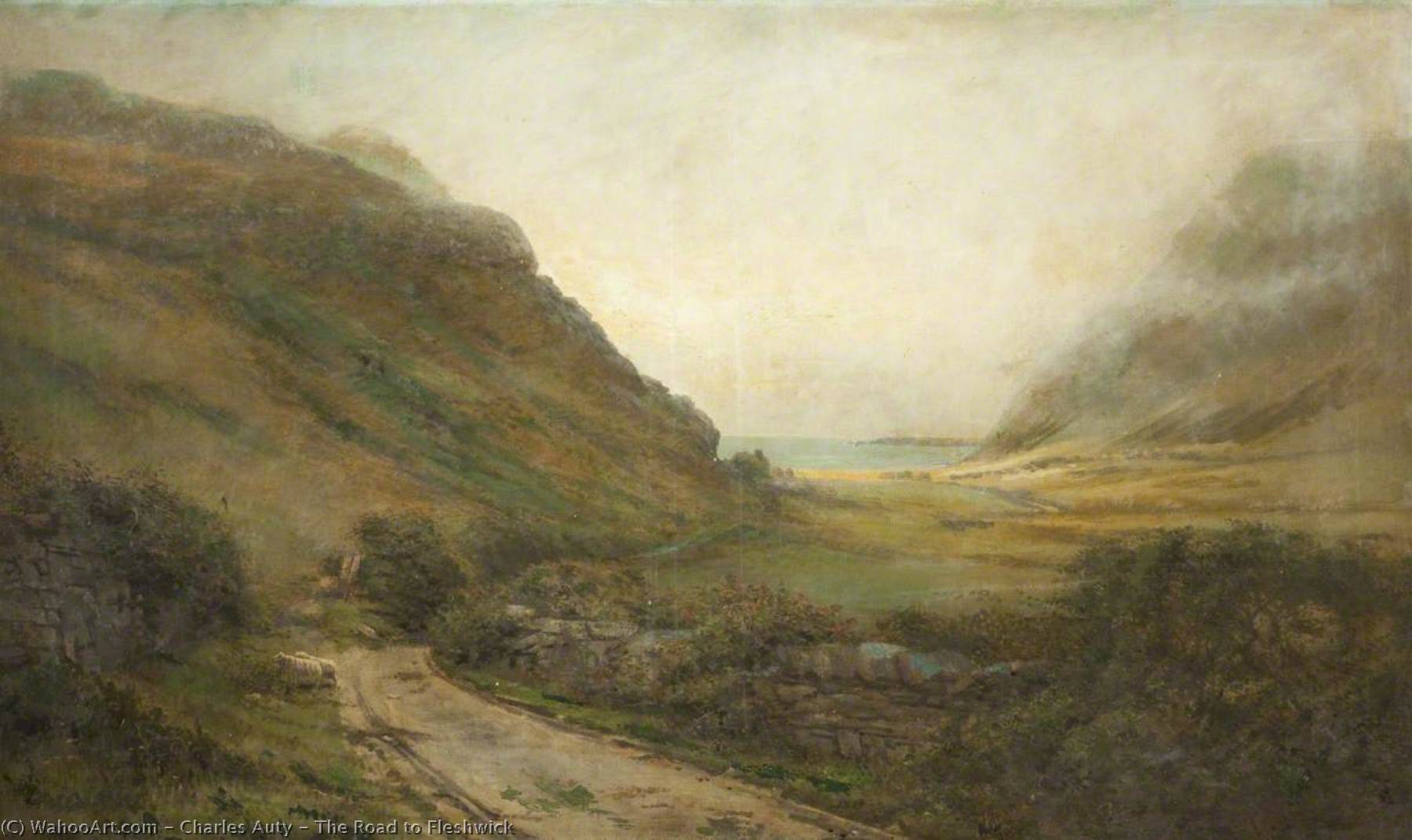
The Road to Fleshwick
 1936
1936 75.0 x 126.0 cm
 Manx Museum
 Read More
Giclée / Art Print
Museum-quality giclée or canvas print with fast production and flexible finish options. ( Buy Hand Made Painting Buy Image)




































Pick from our preset sizes that match the artwork's original proportions.

You may enter your own dimensions to fit a specific frame or space. If your selected size does not match the original image's proportions, we will either crop the artwork or extend the image with a mirrored or solid-fill edge. A digital mockup will be sent for your approval before production begins.
Please note that the on-screen preview does not reflect the actual cropping or extension. Only the mockup will accurately show the final composition.
While custom sizes are available, we recommend selecting a dimension from the predefined list to preserve the original proportions.
Worldwide Delivery () in 2 weeks instead of standard 4/5 weeks. (24 August)

Free Worldwide Express Shipping

High-Quality Linen Canvas

Full Shipping Insurance

Customs Tax Refund Guarantee

True Color Matching Guarantee

60-Day Return Policy (Defects Only)

100% Money-Back Guarantee

Bulk Discount Offer
 Glass option is only available in size under 110 CM

The Road to Fleshwick
Giclée / Art Print
Reproduction Size
-


Total Price
$ 63
Related Artworks










Artist Biography
A Life Immersed in Landscape: The World of Charles Auty
Charles Auty, born in Liverpool in 1858 and passing away in 1936, was a British artist whose work quietly captured the essence of rural life and coastal beauty. While not a household name, his paintings offer a poignant glimpse into a vanishing England—a world of tranquil villages, rugged coastlines, and the rhythms of agricultural existence. Auty’s career spanned a period of significant social and artistic change, yet he remained steadfastly devoted to representing the scenes that resonated most deeply with him: the landscapes of Britain, particularly those found in the Isle of Man and the English countryside. He lived at The Studio, Bradda Port Erin in the early 20th century, becoming known for his sought-after oil paintings depicting local scenes.Early Life and Artistic Development
Details regarding Auty’s formal artistic training remain somewhat elusive; however, his work suggests a keen observational skill honed through direct engagement with nature. He was part of a family that included siblings Caroline Todd and Rhoda Auty, and he married Emma Auty at some point during his life. His early paintings demonstrate a clear aptitude for realistic detail and atmospheric perspective—qualities that would become hallmarks of his style. He exhibited widely throughout the late 19th and early 20th centuries, showing work at prestigious venues such as the Royal Academy, the Royal Hibernian Academy (RHA), the Royal Society of Artists (RSA) and the Royal Institute (RI). These exhibitions provided a platform for Auty to connect with a broader audience and establish his reputation among collectors. His brother Frank Auty was also an artist, suggesting a familial encouragement of artistic pursuits.The Isle of Man: A Source of Inspiration
A significant portion of Auty’s oeuvre is dedicated to the landscapes and seascapes of the Isle of Man. Paintings like “Creg Malin, Peel” exemplify his ability to capture the rugged beauty of the island's coastline—the interplay of light on the water, the texture of the rocks, and the presence of human figures engaged in daily life. He wasn’t merely documenting a place; he was conveying a feeling—a sense of solitude, resilience, and connection to the natural world. His depictions of Bispham Village, both in 1880 and other scenes, reveal a similar sensitivity to the charm and tranquility of rural English life. These works are not grand historical narratives or dramatic allegories; they are intimate portraits of everyday existence, imbued with a quiet dignity.Technique and Style: Realism and Atmospheric Detail
Auty’s artistic style is firmly rooted in realism, but it's a realism tempered by a subtle poetic sensibility. He possessed a remarkable ability to render detail—the weathered wood of boats, the texture of thatched roofs, the nuances of light and shadow on fields and hillsides. However, he wasn’t simply striving for photographic accuracy. His paintings are characterized by a soft atmospheric quality, achieved through careful layering of paint and a sensitive use of color. He often employed a muted palette, favoring earth tones and subtle gradations of blue and green to evoke the mood and atmosphere of his chosen subjects. This technique lends his work a timeless quality—a sense that these scenes exist outside of any specific moment in time.Legacy and Historical Significance
While Charles Auty may not be as widely recognized as some of his contemporaries, his paintings offer valuable insights into the social and cultural landscape of late 19th- and early 20th-century Britain. His work reflects a deep appreciation for the beauty of the natural world and a commitment to representing the lives of ordinary people. His paintings serve as a visual record of a way of life that was rapidly disappearing—a time before mass urbanization and industrialization irrevocably altered the fabric of rural society. Today, his works are appreciated by collectors who value their quiet charm, technical skill, and evocative power. His art continues to resonate with those seeking a connection to a simpler, more tranquil past.
Quick Facts
- Artistic Movement Or Style: Realism, Victorian art
- Date Of Birth: 1858
- Date Of Death: 1936
- Full Name: Charles Auty
- Nationality: British
- Notable Artworks:
- Bispham Village in 1880
- Creg Malin, Peel
- Summer harvesting
- Place Of Birth: Liverpool, UK