

 Preview
 Send
Send Share
Share
 Details

 Download
 Similars
 X-Ray
X-Ray Diaporama
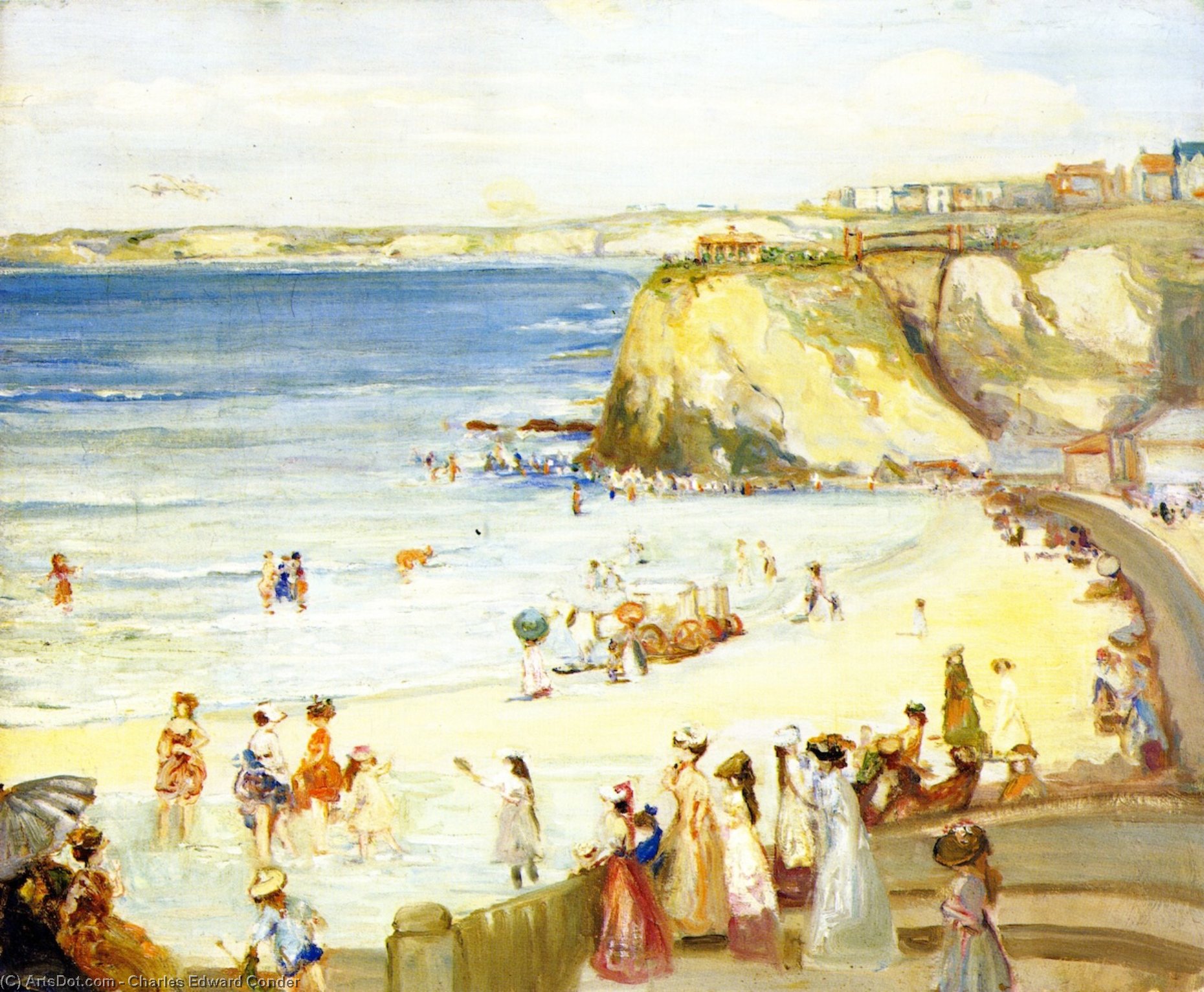
Newquay (Town Beach)


 Read More
Purchase a high-resolution, enhanced digital image, far superior to the online preview.
Each file is meticulously prepared by our in-house specialists using advanced tools and expert manual retouching. We ensure every image has exceptional clarity, precise color accuracy, and fine detail.
The final file is delivered via email within 72 hours, optimized for immediate use in professional, editorial, and print environments. This is the same quality trusted by top-tier design studios, publishers, and galleries.
Digital Image
Download a high-resolution file for personal display, printing, and creative projects. ( Buy Print Buy Hand Made Painting)
Included in Every Digital Image Order
Expert Digital Delivery, Guaranteed
When you choose ArtsDot.com, you're not just getting an image - you're receiving a professionally enhanced digital artwork, crafted with precision and backed by a satisfaction guarantee. Here's everything that comes with your order, automatically:

Fast Email Delivery
Your high-resolution digital image file will be emailed to you within 72 hours of ordering - ready for immediate use.

AI-Enhanced Digital File
Your artwork is professionally optimized using advanced AI tools and manual editing, ensuring maximum detail, clarity, and color accuracy.

Free Lifetime Re-Delivery
Accidentally deleted or lost your file? No worries - we'll resend it to you anytime, free of charge.

No Import Fees - Ever
Enjoy your artwork instantly with zero customs, duties, or delivery fees - digital downloads are always tax-free.

Color Accuracy Guarantee
We ensure your digital image reflects the original colors as closely as possible using professional tools and color management.

60-Day Satisfaction Guarantee
If you're not satisfied with your digital image, we'll revise it or refund 100% within 60 days - no questions asked.

100% Money-Back Guarantee
Not satisfied? Get a full refund within 60 days of receiving your digital file - no questions asked.

Bulk Order Discounts
Buy 3 images, save 10% - Buy 5, save 15% - Buy 10+, save 20%. Great for creative projects, galleries, and agencies.
Collectible Description
A Sun-Drenched Memory of Cornish Coastline
Charles Edward Conder’s “Newquay (Town Beach)” isn't merely a depiction of a seaside scene; it’s a vibrant distillation of a summer day, captured with the bold confidence and evocative brushwork that defined his place within the British art movement known as the Heidelberg School. Painted in 1906, this oil on canvas transports us to a moment of blissful leisure along the rugged Cornish coast – a feeling of warmth, community, and the simple joy of being present amidst nature’s beauty. The painting isn't about precise realism; instead, Conder masterfully employs color and light to convey an atmosphere, a mood, and a sense of timelessness.
The composition immediately draws the eye to the foreground, where figures – families, friends, and individuals – are scattered across the sandy beach. They’re not grand subjects; they're ordinary people engaged in everyday activities: building sandcastles, chatting with companions, or simply basking in the sun. Yet, Conder elevates these commonplace moments through his skillful rendering of light and shadow. Notice how he uses a warm palette – yellows, oranges, and reds – to illuminate the figures and the beach itself, creating an impression of radiant warmth. The boats bobbing gently in the water add a sense of movement and activity, while their reflections shimmer on the surface, further enhancing the painting’s luminous quality.
The Heidelberg School's Embrace of Light and Color
Conder was deeply influenced by the Impressionist movement, particularly its emphasis on capturing fleeting moments of light and color. However, he adapted these techniques to suit his own unique vision, resulting in a style that is distinctly his own. His brushstrokes are loose and expressive, creating a sense of immediacy and spontaneity. He wasn’t concerned with meticulous detail; instead, he prioritized conveying the overall impression of the scene – the way light dances on the water, the warmth of the sun on skin, and the vibrant energy of the beachgoers.
The painting's color palette is remarkably rich and varied. Conder’s use of complementary colors—such as blue and orange—creates a dynamic visual effect, adding depth and vibrancy to the scene. He also employs a technique known as “broken color,” applying small dabs of paint side-by-side rather than blending them together. This creates a shimmering, mosaic-like quality that further enhances the painting’s luminosity. The attention to detail is impressive, with each element carefully crafted to create a cohesive whole, yet it never feels overly labored or contrived.
A Glimpse into Cornish Life and Conder's Vision
“Newquay (Town Beach)” offers a fascinating glimpse into the lives of people in early 20th-century Cornwall. The presence of numerous boats suggests the importance of fishing to the local economy, while the scattered belongings on the sand hint at a day spent enjoying the beach – a popular pastime for families and tourists alike. Conder’s choice to depict ordinary individuals engaged in everyday activities speaks to his belief that beauty can be found in the most unassuming subjects.
Charles Edward Conder, born in Tottenham, London, in 1868, spent much of his career in Australia, where he became a key figure in the Heidelberg School. His work often focused on landscapes and scenes of rural life, capturing the beauty of the Australian countryside with a distinctive blend of realism and Impressionism. “Newquay (Town Beach)” is a testament to his ability to translate his artistic vision to a new setting, creating a timeless image of Cornish coastal charm. The painting’s enduring appeal lies in its ability to evoke a sense of nostalgia for a simpler time – a reminder of the joys of summer, friendship, and the beauty of the natural world.
Bringing Conder's Vision Home
Reproductions of “Newquay (Town Beach)” are available through ArtsDot.com, offering art enthusiasts the opportunity to own a piece of this captivating artwork. The Walker Art Gallery in Liverpool, where the original resides, continues to be a treasure trove for those seeking to explore the rich artistic heritage of Britain. Consider adding this evocative painting to your home or office – a vibrant reminder of Cornish sunshine and the timeless beauty of coastal life.
Related Artworks

Artist Biography
early life and artistic journey
charles edward conder, a british-born painter, lithographer, and designer, left an indelible mark on the art world. born in tottenham, middlesex, on october 24, 1868, conder's early life was marked by his mother's passing in india when he was just four years old.artistic career in australia
in 1884, at 16, conder moved to sydney, australia, working for his uncle as a land surveyor. however, he soon discovered his true passion lay in drawing the landscape rather than surveying it. by 1886, he had become an artist for the illustrated sydney news, alongside notable artists like albert henry fullwood and frank mahony.the heidelberg school and notable works
conder's masterpiece, departure of the orient – circular quay (1888), showcased his newfound mastery of form and brushwork. this dockside scene, depicting the bustling harbour at sydney cove, was quickly purchased by the art gallery of new south wales, making it conder's first work to enter a public collection.- a holiday at mentone (1888), a fun-loving painting showcasing men and women relaxing on the beach, is another notable example of conder's work.
- conder's association with g. p. nerli, an itinerant italian painter, significantly influenced his development as an artist.
- his contributions to the 9 by 5 impression exhibition in melbourne, alongside tom roberts and arthur streeton, solidified his position within the heidelberg school movement.
legacy and later life
conder's later years were plagued by poor health, including paralysis and a bout of delirium tremens. despite this, he continued to paint, leaving behind a legacy as a key figure in the heidelberg school. his art was better received in england than in paris, with his portrait being painted by henri de toulouse-lautrec in 1892. view conder's works at the art gallery of new south wales or explore more about the heidelberg school on ArtsDot's charles edward conder page.- discover more about conder's life and works on wikipedia's charles conder page.
- explore ArtsDot's collection of conder's paintings, including a holiday at mentone (1888) and departure of the orient – circular quay (1888), on ArtsDot's website.
conclusion
charles edward conder's impact on australian impressionism is undeniable. his legacy, marked by his captivating paintings and association with the heidelberg school, continues to inspire art enthusiasts worldwide.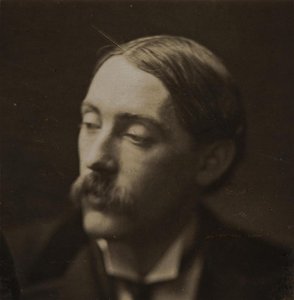
Charles Edward Conder
1868 - 1909 , United Kingdom
Quick Facts
- Artistic Movement Or Style: Heidelberg School
- Artists Who Influenced This Artist:
- Alfred Daplyn
- Victor Mann
- Julian Ashton
- Date Of Birth: October 24, 1868
- Full Name: Charles Edward Conder
- Nationality: British
- Notable Artworks:
- Departure of the Orient – Circular Quay
- A holiday at Mentone
- Under The Southern Sun
- Place Of Birth: Tottenham, United Kingdom

