 Send
Send Share
Share
 Details

 Download
 Similars
 Diaporama
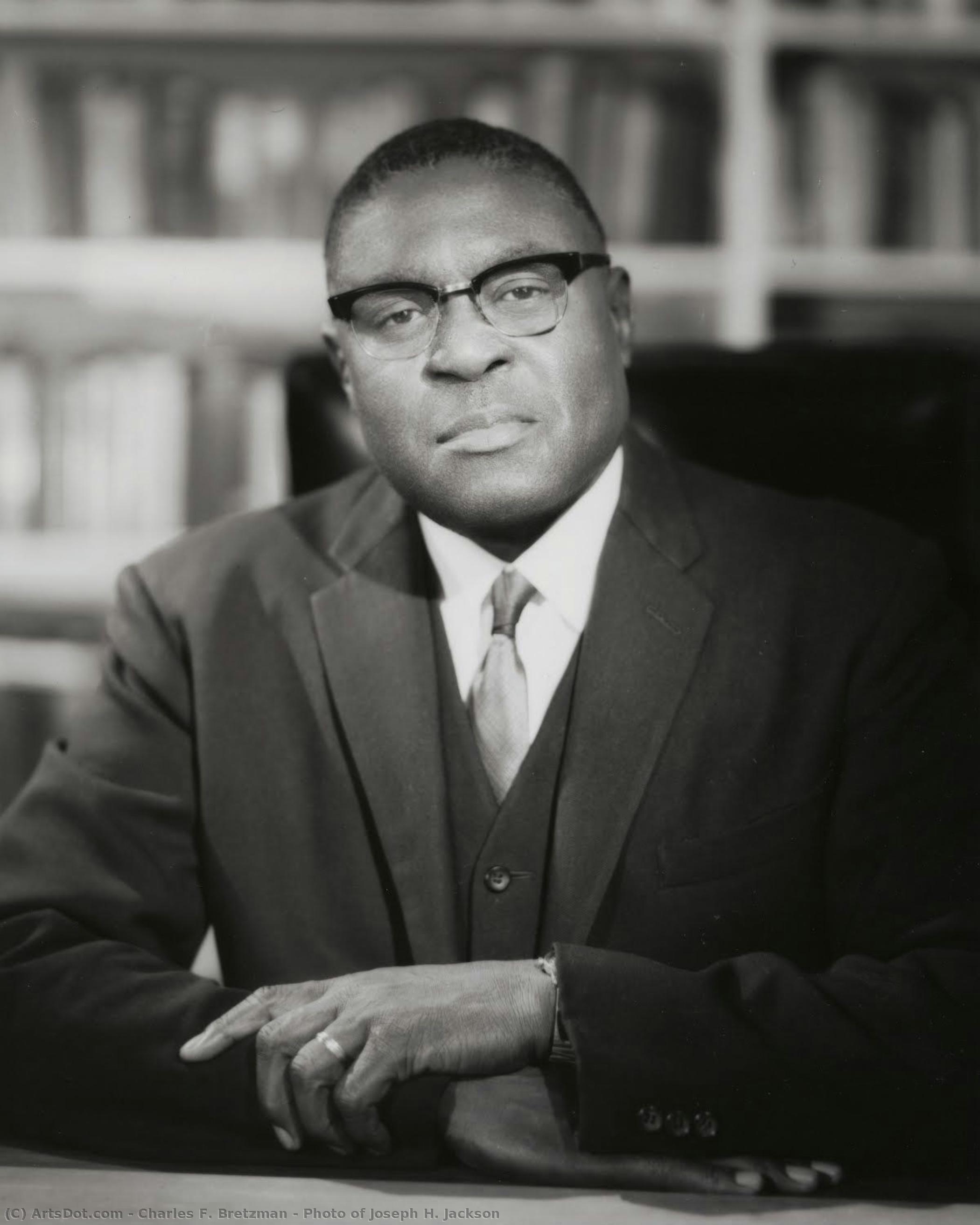
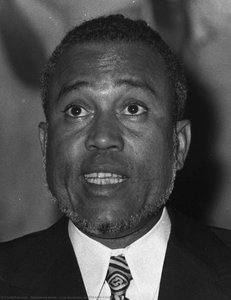
Photo of Joseph H. Jackson


 Read More
Giclée / Art Print
Museum-quality giclée or canvas print with fast production and flexible finish options. ( Buy Hand Made Painting Buy Image)




































Pick from our preset sizes that match the artwork's original proportions.

You may enter your own dimensions to fit a specific frame or space. If your selected size does not match the original image's proportions, we will either crop the artwork or extend the image with a mirrored or solid-fill edge. A digital mockup will be sent for your approval before production begins.
Please note that the on-screen preview does not reflect the actual cropping or extension. Only the mockup will accurately show the final composition.
While custom sizes are available, we recommend selecting a dimension from the predefined list to preserve the original proportions.
Worldwide Delivery () in 2 weeks instead of standard 4/5 weeks. (23 August)

Free Worldwide Express Shipping

High-Quality Linen Canvas

Full Shipping Insurance

Customs Tax Refund Guarantee

True Color Matching Guarantee

60-Day Return Policy (Defects Only)

100% Money-Back Guarantee

Bulk Discount Offer
 Glass option is only available in size under 110 CM

Photo of Joseph H. Jackson
Giclée / Art Print
Reproduction Size
-


Total Price
$ 63
Collectible Description
A Window into Mid-Century Professionalism: The Photographic Portrait of Joseph H. Jackson
Charles F. Bretzman’s 1966 photograph of Joseph H. Jackson offers more than just a likeness; it's a carefully constructed tableau of mid-20th century American professionalism and quiet confidence. The image, rendered in the stark elegance of black and white photography, immediately commands attention with its centered composition – Jackson’s face and upper body occupying nearly the entire frame. This deliberate framing speaks to an intention: to present a figure of authority, a man deeply engaged in his work and radiating a sense of considered seriousness. The photograph isn't merely a portrait; it’s a document of a specific time and place, capturing the spirit of a professional landscape largely defined by order, respectability, and understated power.
Bretzman’s technical mastery is evident in the meticulous control he exerts over light and shadow. The lighting is remarkably even, diffusing any harshness and creating a subtle, almost velvety quality to the grayscale tones. A gentle shadow behind Jackson's head subtly deepens the image, adding a layer of depth without sacrificing clarity. This careful manipulation of light isn’t just aesthetic; it contributes significantly to the overall mood – one of stability and measured contemplation. The use of straight lines—particularly in the suit jacket, tie, and the orderly rows of books on the bookshelf—reinforces this sense of structure and control, while the subtle curves of Jackson's face and glasses frames offer a delicate counterpoint, preventing the image from feeling overly rigid.
The Context of a Changing America: Bretzman’s Indianapolis Legacy
To fully appreciate this photograph, it’s crucial to understand the context in which it was created. Charles F. Bretzman (1867-1934) was a pivotal figure in the burgeoning photographic scene of Indianapolis, Indiana. Born in Hanover, Germany, he immigrated to America and established himself as a respected portrait photographer during a period of significant social and economic transformation. His work reflects this era – a time of increasing industrialization, urbanization, and a growing emphasis on professionalism. Bretzman’s decision to document Joseph H. Jackson speaks to the importance placed on visual representation within professional circles; portraits were not simply decorative but served as markers of status, experience, and trustworthiness. His biography reveals an entrepreneurial spirit and dedication to capturing the evolving face of American life, a testament to his skill and vision.
Further research into Bretzman’s work reveals a man deeply invested in documenting his community. The image of Jackson is part of a larger body of work that captures the essence of Indianapolis during the mid-20th century. His photographs offer a valuable glimpse into the lives and professions of ordinary Americans, providing a rich historical record for future generations.
Symbolism and Emotional Resonance: A Portrait of Determination
Beyond its technical merits, the photograph is imbued with subtle symbolic meaning. Jackson’s direct gaze – unwavering and intelligent – immediately engages the viewer, conveying a sense of self-assurance and purpose. His clasped hands suggest both thoughtfulness and control, hinting at a man deeply committed to his work. The bookshelf behind him isn't merely a backdrop; it represents knowledge, experience, and intellectual pursuits—elements central to Jackson’s professional identity. The overall tone is one of profound respect and dignity, reflecting the values associated with leadership and responsibility during that era. It’s a portrait not just of a man, but of an ideal – a representation of success achieved through diligence and dedication.
A Reproduction for Today: Bringing History to Your Space
ArtsDot offers meticulously crafted hand-painted reproductions of this compelling photograph by Charles F. Bretzman. Our artists recreate the image’s nuanced details, tonal range, and evocative atmosphere with exceptional skill, ensuring that your reproduction captures the essence of the original while providing a timeless addition to your home or office. Whether you're an art collector, an interior designer seeking to evoke a sense of classic elegance, or simply someone captivated by this powerful portrait, our reproductions offer a beautiful and authentic way to experience the legacy of Charles F. Bretzman and Joseph H. Jackson.
Related Artworks
Artist Biography
A Pioneer of the Photographic Lens: The Life and Legacy of Charles F. Bretzman
Charles F. Bretzman, a name perhaps unfamiliar to many today, stands as a pivotal figure in the history of Indianapolis photography and visual documentation of early 20th-century American life. Born in Hanover, Germany, on July 26, 1867, his journey took him across continents before establishing a lasting artistic footprint in the heart of Indiana. Bretzman’s story is one of entrepreneurial spirit, technical mastery, and a dedication to capturing the evolving face of a burgeoning city. Arriving in the United States in 1885, he didn't immediately settle; instead, he embarked on a period of exploration, traveling extensively before finding his permanent home in Indianapolis around 1900. This early exposure to diverse landscapes and communities undoubtedly shaped his artistic vision, fostering an observant eye for detail and a sensitivity to the human condition that would characterize his work.Establishing a Visual Chronicle: The Bretzman Studio
Upon settling in Indianapolis, Bretzman swiftly established the Koehne Studio – also known as the Bretzman Photo Company or simply the Bretzman Studio – on South Illinois Street. This wasn’t merely a business venture; it was the foundation of a family legacy and a vital hub for visual storytelling. The studio quickly gained prominence, becoming renowned for its high-quality portraiture and commercial work. Bretzman's skill lay not only in technical proficiency but also in his ability to capture the essence of his subjects, imbuing each photograph with personality and depth. He wasn’t simply recording images; he was crafting visual narratives. His studio expanded in 1914, moving to larger quarters on the top floor of the Fletcher Savings and Trust Building, a testament to its growing success and influence within the city. Beyond portraits, Bretzman's lens documented Indianapolis’s burgeoning urban landscape, capturing significant events and the lives of prominent citizens. He became intrinsically linked with the city’s identity, providing a visual record of its transformation during a period of rapid growth and change.The First Official Eye of Speed: Documenting the Indianapolis 500
Perhaps Bretzman's most enduring claim to fame lies in his role as the first official photographer of the Indianapolis 500-mile automobile race. This appointment, beginning with the inaugural race in 1911, cemented his place in motorsports history and provided him with a unique platform to showcase his skills. The early years of the Indy 500 were chaotic and dangerous, yet Bretzman fearlessly captured the speed, drama, and raw energy of this groundbreaking event. His photographs weren’t just records of the race; they were visceral depictions of an era when automobile racing was pushing the boundaries of technology and human courage. These images offered a glimpse into a world of roaring engines, daring drivers, and enthusiastic crowds, becoming iconic representations of American speed and innovation. The documentation of this event alone ensured his place in Indiana’s cultural heritage.A Family Affair: Continuing the Legacy
The Bretzman photographic legacy didn't end with Charles. His son, Charles Noble Bretzman, and grandson, Erich, both followed in his footsteps, continuing to operate the family business for nearly eighty years. This intergenerational commitment speaks volumes about the passion and dedication instilled by the founder. C. Noble Bretzman brought his own distinctive style to the studio, specializing in illustrative photography and becoming a sought-after photographer for advertising campaigns and dance performances. He was particularly known for his work with L.S. Ayres department store and Indianapolis ballet companies. Erich continued the tradition, even serving as a U.S. Army photographer before joining the family business. The Bretzman Photo Company finally closed its doors in 1976 upon Noble’s retirement, marking the end of an era but leaving behind a rich archive of images that continue to offer invaluable insights into Indianapolis's past. Today, their work is preserved in institutions like the Indiana Historical Society and the Library of Congress, ensuring that their visual chronicle remains accessible for generations to come.A Lasting Impression: Bretzman’s Significance
Charles F. Bretzman was more than just a photographer; he was a documentarian, an artist, and a chronicler of his time. His work provides a unique window into the social, cultural, and technological landscape of early 20th-century Indianapolis. His photographs are not merely historical artifacts but vibrant testaments to a bygone era. He captured the faces of prominent figures like Hoosier poet James Whitcomb Riley and Carl G. Fisher, founder of the Indianapolis Motor Speedway, preserving their likenesses for posterity. Through his lens, we gain a deeper understanding of the people, places, and events that shaped the city’s identity. Bretzman's legacy extends beyond his individual photographs; it lies in the enduring power of visual storytelling and the importance of documenting our shared history. His dedication to his craft and his commitment to capturing the essence of his subjects continue to inspire photographers and historians alike, solidifying his place as a true pioneer of the photographic art form.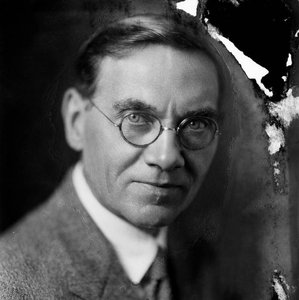
Charles F. Bretzman
1867 - 1934 , United States of America
Quick Facts
- Artistic Movement Or Style: Portrait photography
- Date Of Birth: July 26, 1867
- Date Of Death: January 19, 1934
- Full Name: Charles F. Bretzman
- Nationality: American
- Notable Artworks:
- Portrait of a man
- Hotel Lobby
- Place Of Birth: Hanover, Germany
Related Articles

Monochrome Visions: Exploring the Aesthetic & Historical Significance of Black & White Photography
Explore the rich history & artistic power of black and white photography. From early techniques to iconic masters like Ansel Adams, discover why monochrome continues to captivate art lovers today. Expert insights for collectors.

White on Canvas: 10 Masterpieces & Timeless Elegance for Your Home Decor
Explore 10 iconic white paintings by Monet, Whistler & Rothko! Discover the stories behind these serene masterpieces and their impact on art history. Find museum-quality reproductions for your home decor at .

Timeless & Chic: Elevating Your New Home with the Sophistication of Black and White Photography
Transform your new home with the timeless allure of black and white photography. ArtsDot.com specializes in elegant monochrome decor and custom hand-painted wedding portraits that turn cherished milestones into lasting, soulful masterpieces. Elevate your space with ease.
Beyond the Lens: Photography's Enduring Influence on Modern & Contemporary Art
Explore photography's pivotal role in shaping modern & contemporary art. Discover key movements, influential artists like Stieglitz, and expert collecting advice from ArtsDot.

Dark Masterpieces: 10 Iconic Paintings Dominated by Black Tones |
Explore 10 iconic paintings dominated by black tones, from Rembrandt’s chiaroscuro to Goya's dark expressions. Discover the stories behind these masterpieces & find museum-quality art reproductions for your home at .