

 Preview
 Send
Send Share
Share
 Details

 Download
 Similars
 X-Ray
X-Ray Diaporama
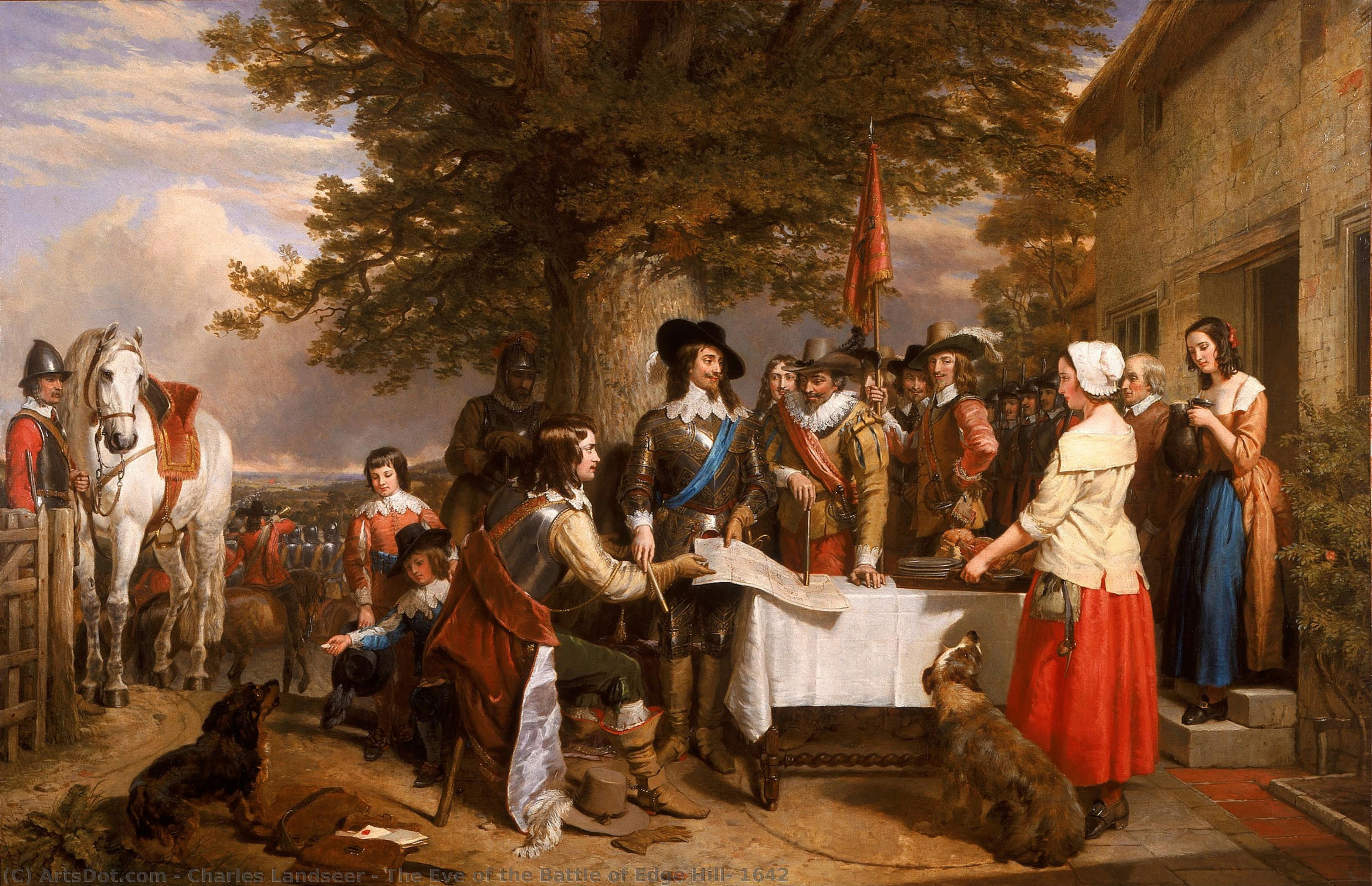
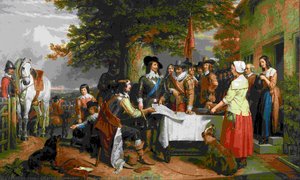
The Eve of the Battle of Edge Hill, 1642
 Oil On Canvas
- WallArt
- Romanticism
 1845
1845- 19th Century
 2137.0 x 1410.0 cm
 Walker Art Gallery
 Read More
Purchase a high-resolution, enhanced digital image, far superior to the online preview.
Each file is meticulously prepared by our in-house specialists using advanced tools and expert manual retouching. We ensure every image has exceptional clarity, precise color accuracy, and fine detail.
The final file is delivered via email within 72 hours, optimized for immediate use in professional, editorial, and print environments. This is the same quality trusted by top-tier design studios, publishers, and galleries.
Digital Image
Download a high-resolution file for personal display, printing, and creative projects. ( Buy Print Buy Hand Made Painting)
Included in Every Digital Image Order
Expert Digital Delivery, Guaranteed
When you choose ArtsDot.com, you're not just getting an image - you're receiving a professionally enhanced digital artwork, crafted with precision and backed by a satisfaction guarantee. Here's everything that comes with your order, automatically:

Fast Email Delivery
Your high-resolution digital image file will be emailed to you within 72 hours of ordering - ready for immediate use.

AI-Enhanced Digital File
Your artwork is professionally optimized using advanced AI tools and manual editing, ensuring maximum detail, clarity, and color accuracy.

Free Lifetime Re-Delivery
Accidentally deleted or lost your file? No worries - we'll resend it to you anytime, free of charge.

No Import Fees - Ever
Enjoy your artwork instantly with zero customs, duties, or delivery fees - digital downloads are always tax-free.

Color Accuracy Guarantee
We ensure your digital image reflects the original colors as closely as possible using professional tools and color management.

100-Day Satisfaction Guarantee
If you're not satisfied with your digital image, we'll revise it or refund 100% within 100 days - no questions asked.

100% Money-Back Guarantee
Not satisfied? Get a full refund within 100 days of receiving your digital file - no questions asked.

Bulk Order Discounts
Buy 3 images, save 10% - Buy 5, save 15% - Buy 10+, save 20%. Great for creative projects, galleries, and agencies.
A Moment Frozen in Time: The Eve of the Battle of Edge Hill
In the grand tapestry of English history, few moments possess the quiet, heavy tension found in Charles Landseer’s 1845 masterpiece, The Eve of the Battle of Edge Hill, 1642. This evocative historical scene captures a council of war within the Royalist camp, set on the precipice of the first major conflict of the English Civil War. As the eye wanders through the composition, it encounters a world caught between the rigid duties of command and the fleeting distractions of human nature. Landseer masterfully orchestrates a gathering of figures—King Charles I, Prince Rupert, and the Earl of Lindsey—around a map that dictates the fate of a nation, yet the true soul of the painting lies in its subtle, almost heartbreaking, psychological depth.
The technique employed by Landseer reflects the height of nineteenth-century historical painting, blending meticulous detail with an atmospheric richness that breathes life into the Royalist camp. The artist utilizes a sophisticated interplay of light and shadow to direct the viewer's gaze, moving from the strategic intensity of the commanders pointing at the map to the more tender, domestic elements of the scene. One cannot help but notice the exquisite rendering of textures, from the heavy fabrics of the formal attire to the spirited presence of the animals. A fascinating footnote in the painting's history reveals that the dogs, painted by Landseer’s brother Edwin, were so beloved they were occasionally cut out and sold as separate works, a testament to the incredible anatomical precision and charm brought to this larger historical narrative.
Symbolism and the Weight of Destiny
Beyond the mere documentation of a military council, the painting serves as a profound allegory for the fragility of power. Landseer embeds a poignant sense of foreshadowing within the frame; while his commanders focus on the tactical maneuvers of the upcoming battle, King Charles I is depicted with a wandering concentration. His gaze drifts away from the strategic map, drawn instead to a pretty maid serving a dish of bacon. This subtle choice by the artist serves as a powerful symbol of the King's ultimate defeat—a moment where the distractions of the present moment overshadow the monumental responsibilities of the crown. It is a masterful use of character study to prefigure the tragic trajectory of the monarchy.
Contrasting this heavy political tension is the innocence of the future. Amidst the looming shadows of war, the King’s young sons, the future Charles II and James II, play playfully with a dog. This juxtaposition of childhood innocence against the grim machinery of war creates an emotional resonance that is deeply moving for any observer. The presence of the horses, standing watchful and poised throughout the camp, adds to the sense of restless anticipation, as if the very landscape itself is holding its breath before the storm of battle breaks.
An Essential Addition for Discerning Collectors
For the art collector or interior designer, a high-quality reproduction of this work offers more than just a decorative element; it provides a window into a pivotal era of human drama. The painting’s expansive scale and rich, warm palette make it an extraordinary centerpiece for a library, a formal study, or a grand dining hall. Its ability to spark conversation—ranging from the intricacies of the English Civil War to the fascinating familial collaboration between the Landseer brothers—ensures that it remains a focal point of intellectual and aesthetic engagement.
Owning a piece that captures such profound historical gravity allows one to surround themselves with the storytelling power of the Romantic era. Whether you are drawn to the strategic tension of the council, the delicate beauty of the period details, or the tragic symbolism of the wandering King, this work stands as a timeless testament to the ability of art to capture the fleeting moments that change the course of history forever.
Related Artworks


Artist Biography
early life and training
charles landseer, a prominent english painter, was born on august 12, 1799, in london, to john landseer, an engraver. he was the second son and elder brother of sir edwin landseer, a renowned animal painter. charles trained under his father's guidance and later studied with benjamin robert haydon, a painter known for his historical subjects.artistic career and notable works
charles landseer's artistic career spanned over six decades, during which he specialized in painting historical subjects. some of his notable works include:- the meeting of charles i. and his adherents before the battle of edgehill (displayed at the tate gallery)
- clarissa harlowe in the prison room of the sheriff's office (1833, now in the collection of the tate britain, london)
- the pillaging of a jew's house in the reign of richard i (1839, tate gallery)
- the temptation of andrew marvel (1841)
achievements and legacy
charles landseer was awarded the silver palette of the royal society of arts for a drawing of laocoon in 1815. he became an associate of the royal academy in 1837 and a full academician in 1845. in 1851, he was appointed keeper of the royal academy, a position he held until 1873. importantly, charles landseer's legacy extends beyond his artistic contributions. he left £10,000 to the royal academy to fund scholarships, now known as the landseer scholarships.references and further reading
for more information on charles landseer's life and works, visit: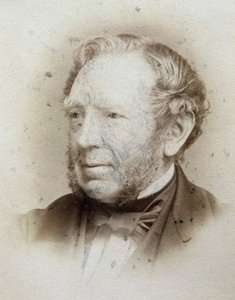
charles landseer
1799 - 1879 , United Kingdom