

 Preview
 Send
Send Share
Share
 Details

 Download
 Similars
 X-Ray
X-Ray Diaporama
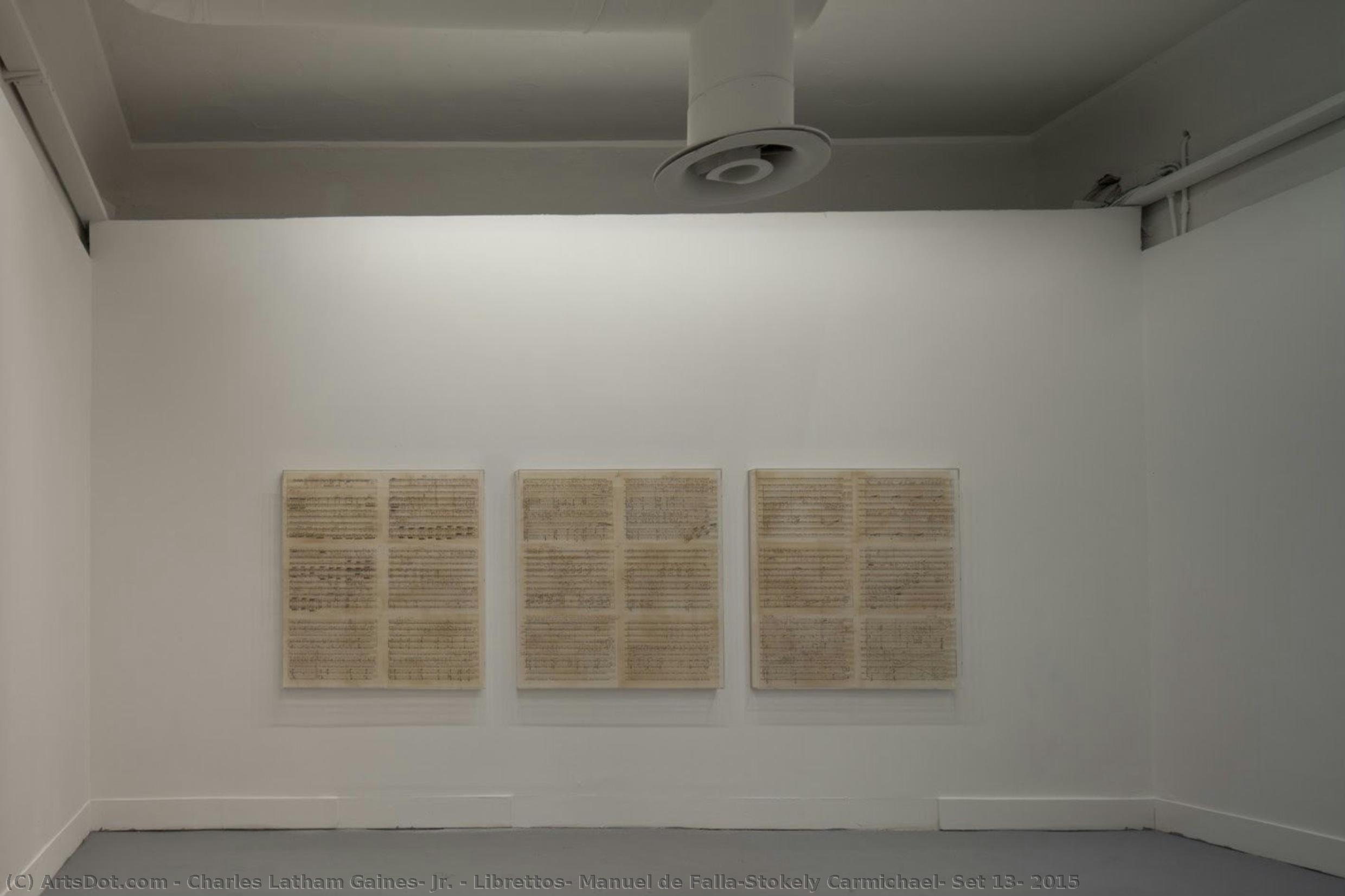
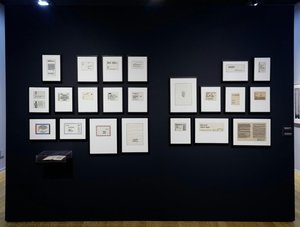
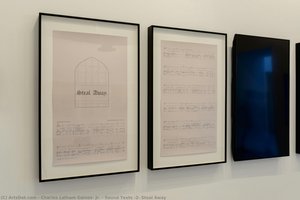
Librettos: Manuel de Falla/Stokely Carmichael, Set 13, 2015


 Read More
Purchase a high-resolution, enhanced digital image, far superior to the online preview.
Each file is meticulously prepared by our in-house specialists using advanced tools and expert manual retouching. We ensure every image has exceptional clarity, precise color accuracy, and fine detail.
The final file is delivered via email within 72 hours, optimized for immediate use in professional, editorial, and print environments. This is the same quality trusted by top-tier design studios, publishers, and galleries.
Digital Image
Download a high-resolution file for personal display, printing, and creative projects. ( Buy Print Buy Hand Made Painting)
Included in Every Digital Image Order
Expert Digital Delivery, Guaranteed
When you choose ArtsDot.com, you're not just getting an image - you're receiving a professionally enhanced digital artwork, crafted with precision and backed by a satisfaction guarantee. Here's everything that comes with your order, automatically:

Fast Email Delivery
Your high-resolution digital image file will be emailed to you within 72 hours of ordering - ready for immediate use.

AI-Enhanced Digital File
Your artwork is professionally optimized using advanced AI tools and manual editing, ensuring maximum detail, clarity, and color accuracy.

Free Lifetime Re-Delivery
Accidentally deleted or lost your file? No worries - we'll resend it to you anytime, free of charge.

No Import Fees - Ever
Enjoy your artwork instantly with zero customs, duties, or delivery fees - digital downloads are always tax-free.

Color Accuracy Guarantee
We ensure your digital image reflects the original colors as closely as possible using professional tools and color management.

60-Day Satisfaction Guarantee
If you're not satisfied with your digital image, we'll revise it or refund 100% within 60 days - no questions asked.

100% Money-Back Guarantee
Not satisfied? Get a full refund within 60 days of receiving your digital file - no questions asked.

Bulk Order Discounts
Buy 3 images, save 10% - Buy 5, save 15% - Buy 10+, save 20%. Great for creative projects, galleries, and agencies.
Collectible Description
Exploring Resonance: Charles Gaines’s Manifestos – A Musical Dialogue Between Text and Landscape
Charles Latham Gaines Jr., often known as Charles Gaines, is a multifaceted American figure celebrated for his contributions as a writer, outdoorsman, and conservationist. His career spans diverse fields, leaving an indelible mark on literature, bodybuilding culture, and environmental stewardship. Born in 1942, Gaines’s work consistently explores the intersection of human experience with the natural world, often infused with intellectual depth and philosophical inquiry. Early Life and Literary Beginnings Gaines was born in Charleston, South Carolina, later moving to Birmingham, Alabama as a child. He pursued higher education at Washington and Lee University before transferring to Birmingham-Southern College, where he earned his BA and an MFA in writing from the University of Iowa. His early life experiences fostered a deep appreciation for the outdoors—a sensibility that would profoundly inform his artistic endeavors. The formative influence of these surroundings instilled within him a conviction that art could serve as a conduit for understanding both individual consciousness and the broader ecological landscape. Conceptual Art and Rule-Based Composition Gaines emerged as a pivotal figure in conceptual art during the 1960s, rejecting traditional representational painting in favor of an approach rooted in systematic logic and structural analysis. His method—characterized by “rule-based composition”—challenged conventional notions of artistic creativity, prioritizing intellectual rigor over spontaneous expression. This deliberate methodology stemmed from Gaines’s belief that profound insights could be gleaned through the application of mathematical principles to artistic endeavors. He sought to distill complex ideas into simplified frameworks, mirroring the patterns observed in nature and reflecting a fascination with geometric forms. The Manifestos Project: Translating Ideals Into Sound At the core of Gaines’s most celebrated project lies “The Manifestos,” a series of installations that interrogated social justice issues through musical interpretation. Inspired by seminal texts—including Malcolm X's final speech and Olympe de Gouges’s declaration advocating for women’s rights—Gaines embarked on an ambitious undertaking: translating each letter of these documents into a corresponding musical note (C, D, E, F, G, A, B). This meticulous process resulted in four meticulously crafted piano compositions that served as sonic representations of the ideological propositions presented within the texts. A Synthesis of Disciplines: Collaboration and Performance Gaines’s artistic vision extended beyond solo endeavors; he collaborated closely with Sean Griffin, composer and founding director of Opera Povera consortium, to orchestrate performances featuring a quartet ensemble. This partnership underscored Gaines's conviction that artistic exploration could benefit from interdisciplinary dialogue—bringing together musical expertise and conceptual rigor. The resulting music wasn’t merely decorative accompaniment but rather an active participant in conveying the essence of the manifestos themselves. The Biennale Connection: Venice and Artistic Dialogue Gaines’s work gained international recognition through its inclusion in la Biennale di Venezia, Venice's renowned art exhibition. Displayed alongside other groundbreaking artworks, Gaines’s Manifestos stood as a testament to his pioneering approach—a deliberate rejection of conventional artistic conventions in favor of intellectual precision and symbolic resonance. The selection for the Biennale underscored the enduring relevance of Gaines’s conceptual framework within the broader context of contemporary art history. Symbolism and Emotional Impact: Beyond Representation Ultimately, Gaines's Manifestos transcend mere visual depiction; they invite viewers to contemplate deeper questions about societal values and philosophical perspectives. The austere piano compositions—characterized by their tonal ambiguity—effectively communicate the emotional weight of the translated texts without resorting to overt sentimentality. By prioritizing structural integrity over expressive nuance, Gaines achieved a remarkable feat: transforming abstract ideas into tangible sonic experiences that provoke contemplation and stimulate intellectual engagement. His work remains an enduring reminder that art can illuminate complex realities through careful consideration of form and content—a legacy cemented by its prominent place within the history of conceptual art and its continuing influence on artists today.Related Artworks
Artist Biography
Charles Latham Gaines Jr.: A Life Bridging Words, Nature, and Art
- Born: Charleston, United States of America (1942)
- Status: Living
Charles Latham Gaines Jr., often known as Charles Gaines, is a multifaceted American figure celebrated for his contributions as a writer, outdoorsman, and conservationist. His career spans diverse fields, leaving an indelible mark on literature, bodybuilding culture, and environmental stewardship. Born in 1942, Gaines’s work consistently explores the intersection of human experience with the natural world, often infused with intellectual depth and philosophical inquiry.
Early Life and Literary Beginnings
Gaines was born in Charleston, South Carolina, later moving to Birmingham, Alabama as a child. He pursued higher education at Washington and Lee University before transferring to Birmingham-Southern College, where he earned his BA and an MFA in writing from the University of Iowa. His early life experiences fostered a deep appreciation for the outdoors, which would become a recurring theme throughout his literary career.
"Pumping Iron" and Bodybuilding's Golden Age
- Notable Work: Pumping Iron: The Art and Sport of Bodybuilding (1974)
Gaines achieved widespread recognition as the co-author, alongside George Butler, of "Pumping Iron." This groundbreaking journalistic work provided an unprecedented look into the world of competitive bodybuilding during its “Golden Age.” The book not only brought this specialized subculture to a broader audience but also played a pivotal role in launching the career of Arnold Schwarzenegger. Gaines's narration and contribution to the documentary film adaptation further solidified his influence, capturing the intensity, dedication, and artistry inherent in the sport.
Conservation Efforts and Environmental Advocacy
Beyond his literary achievements, Gaines is deeply committed to environmental conservation. He has been actively involved in the stewardship of North American Atlantic salmon fisheries, demonstrating a profound concern for ecological preservation. His service on the board of directors of the Atlantic Salmon Federation underscores his dedication to protecting natural resources and promoting sustainable practices.
Artistic Exploration and Intellectual Legacy
While not primarily known as a visual artist himself, Gaines’s work frequently intersects with artistic realms, particularly through its exploration of the human relationship with nature. His writings offer a unique perspective on how we perceive and interact with the environment, prompting reflection on our place within the natural world. His "Sound Texts" series, utilizing musical scores derived from political texts, exemplifies his conceptual approach to art, transforming language into auditory experiences that challenge conventional modes of understanding. Gaines’s legacy lies in his ability to bridge seemingly disparate fields—literature, sports, conservation, and art—creating a rich tapestry of intellectual inquiry and practical engagement.

charles latham gaines, jr.
1942 - , United States of America
Quick Facts
- Date Of Birth: January 6, 1942
- Full Name: Charles Latham Gaines Jr.
- Nationality: American
- Notable Artworks:
- Pumping Iron: The Art and Sport
- Sound Texts #1
- Sound Texts #2
- Sound Texts #4
- Place Of Birth: Charleston, United States

