 Preview
 Send
Send Share
Share
 Details

 Download
 Similars
 X-Ray
X-Ray Diaporama
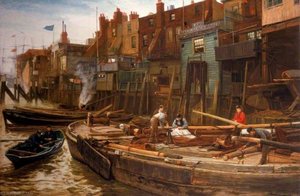
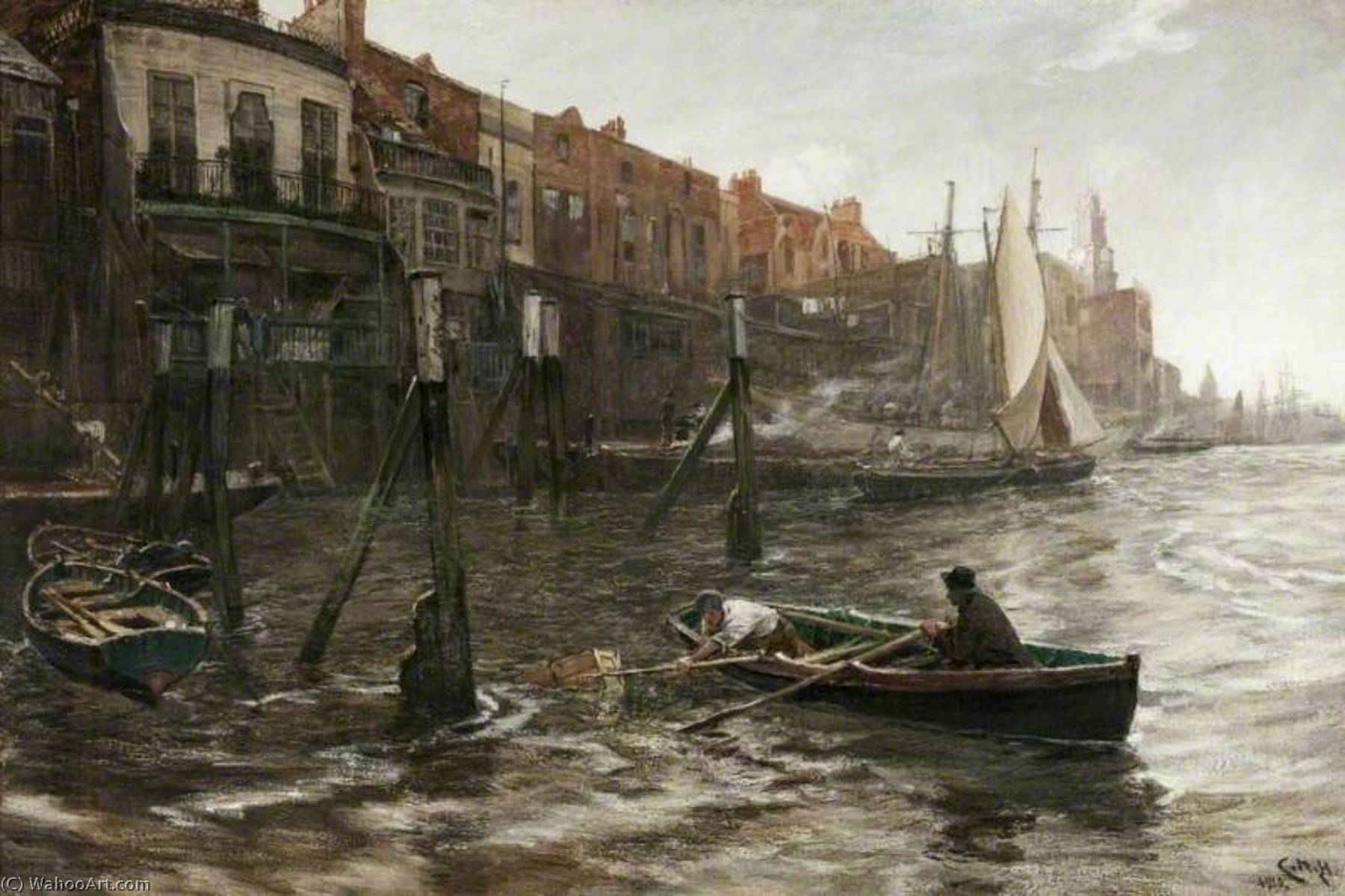
Limehouse Hole
 1910
1910 121.0 x 182.0 cm
 Read More
Giclée / Art Print
Museum-quality giclée or canvas print with fast production and flexible finish options. ( Buy Hand Made Painting Buy Image)




































Pick from our preset sizes that match the artwork's original proportions.

You may enter your own dimensions to fit a specific frame or space. If your selected size does not match the original image's proportions, we will either crop the artwork or extend the image with a mirrored or solid-fill edge. A digital mockup will be sent for your approval before production begins.
Please note that the on-screen preview does not reflect the actual cropping or extension. Only the mockup will accurately show the final composition.
While custom sizes are available, we recommend selecting a dimension from the predefined list to preserve the original proportions.
Worldwide Delivery () in 2 weeks instead of standard 4/5 weeks. (21 August)

Free Worldwide Express Shipping

High-Quality Linen Canvas

Full Shipping Insurance

Customs Tax Refund Guarantee

True Color Matching Guarantee

60-Day Return Policy (Defects Only)

100% Money-Back Guarantee

Bulk Discount Offer
 Glass option is only available in size under 110 CM

Limehouse Hole
Giclée / Art Print
Reproduction Size
-


Total Price
$ 63
Collectible Description
Artistic Style and Composition
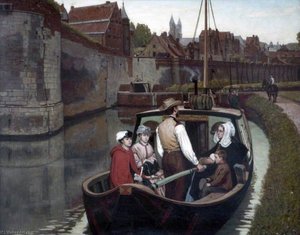
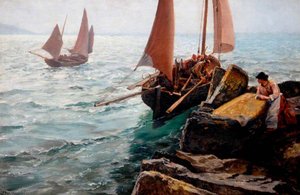
The painting depicts a serene scene of boats on the water near a city, with buildings visible in the background. A man is seen standing in a boat, rowing it, while other boats float nearby. The composition of the painting is well-balanced, with several people scattered throughout the scene, adding to its dynamic nature. The cityscape includes a variety of buildings, some closer to the water's edge and others further away. Key Features of the painting include:- The use of tempera, which gives the artwork a unique texture and appearance.
- The depiction of everyday life, showcasing the artist's ability to capture the mundane and make it interesting.
- The balance of composition, with the placement of figures and boats creating a sense of harmony.
Artist Background
Charles Napier Hemy was a British painter, born in Newcastle upon Tyne in 1841. He was associated with the Newlyn School and was known for his maritime paintings. To learn more about the artist's life and works, visit the ArtsDot.com page dedicated to Charles Napier Hemy.Other notable works by Charles Napier Hemy include Saved, Lost, and Coast Scene, which can be found on ArtsDot.com. These paintings showcase the artist's skill in capturing the beauty of the sea and the everyday lives of people. For more information on these artworks, visit the ArtsDot.com page for Coast Scene.
Related Artworks








Artist Biography
The Master of the Maritime Soul
Charles Napier Hemy (1841–1917) stands as a pivotal figure in British maritime art, embodying the spirit of romantic realism that dominated the late Victorian era. Born in Newcastle upon Tyne, England, he possessed an unwavering fascination for the ocean and its dramatic landscapes—a passion that fueled his prolific artistic output and cemented his legacy as one of the foremost painters capturing the essence of naval life during a transformative period. His work serves as a window into a bygone era, where the sea was not merely a setting but a living, breathing protagonist in the story of human exploration and industry.
Hemy’s formative years were marked by rigorous academic training that provided the foundation for his later mastery. He enrolled at the Newcastle School of Design, honing essential skills in draughtsmanship and composition—disciplines that would prove invaluable throughout his long career. Seeking to broaden his artistic horizons beyond the British Isles, he pursued advanced studies at Baron Kays’ Studio in Antwerp. This immersion in the Belgian school allowed him to explore Impressionistic techniques and innovative approaches to portraying light and atmosphere. This exposure profoundly influenced his stylistic sensibilities, enabling him to blend a sense of Romantic idealism with the meticulous attention to detail characteristic of Realism.
A Canvas of Waves and Wind
The heart of Hemy's oeuvre lies in his profound connection to maritime subjects, ranging from bustling harbor scenes to the solitary majesty of sailing vessels. His artistic focus centered squarely on coastal landscapes and depictions of clipper ships, reflecting the burgeoning British naval empire and the adventurous spirit of the 19th century. His canvases pulsated with vibrant colors, skillfully rendered to convey the dynamism of sea weather and the grandeur of maritime architecture. Whether capturing the heavy, industrial atmosphere of a port or the serene beauty of a coastal morning, Hemy possessed a unique ability to evoke powerful emotions through visual storytelling.
His technical versatility is evident across various mediums and subjects:
- Blackwall, London (1872): A stunning oil painting that utilizes chiaroscuro techniques to depict a bustling harbor scene, showcasing his ability to manage complex light and shadow.
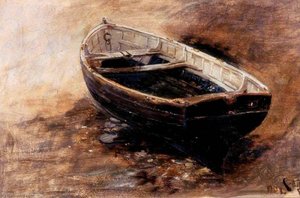
- Study of a Boat (1901): A delicate watercolor masterpiece that captures serene coastal beauty, demonstrating his skill in rendering tranquil maritime life with lightness and grace.
- Trawling: An exploration of the more rugged, industrious side of sea life, highlighting the grit and reality of maritime labor.
Legacy and Historical Significance
Hemy's paintings are far more than mere representations of ships and tides; they are imbued with deep symbolism, serving as a testament to Britain’s maritime prowess and its historical exploration of distant lands. Notable works such as “Seascape with a Tug” and “Through Sea and Air,” housed in prestigious institutions like Newcastle’s Laing Art Gallery, exemplify his command over the medium. Through his brush, the viewer experiences the tension between the calm of the shore and the untamed power of the deep.
The historical significance of Charles Napier Hemy lies in his ability to document a period of immense transition. As the world moved from the age of sail toward more modern naval technologies, Hemy captured the twilight of the romantic era of seafaring. His legacy persists in the way he bridged the gap between traditional academic realism and the atmospheric innovations of the late 19th century, ensuring that the spirit of the Victorian maritime world remains eternally preserved in oil and watercolor.
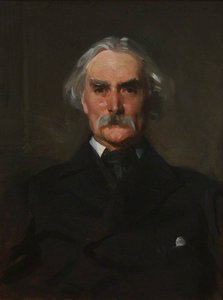
Charles Napier Hemy
1841 - 1917 , United Kingdom
Quick Facts
- Artistic Movement Or Style: Romantic Realism
- Artists Or Movements Influenced By This Artist: ['']
- Artists Who Influenced This Artist: ['']
- Date Of Birth: May 24, 1841
- Date Of Death: September 30, 1917
- Full Name: Charles Napier Hemy
- Nationality: British
- Notable Artworks:
- Seascape with a tug
- Through sea and air
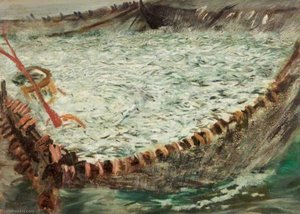
- Pilchards
- Place Of Birth: Newcastle upon Tyne, United Kingdom