

 Preview
 Send
Send Share
Share
 Details

 Download
 Similars
 X-Ray
X-Ray Diaporama
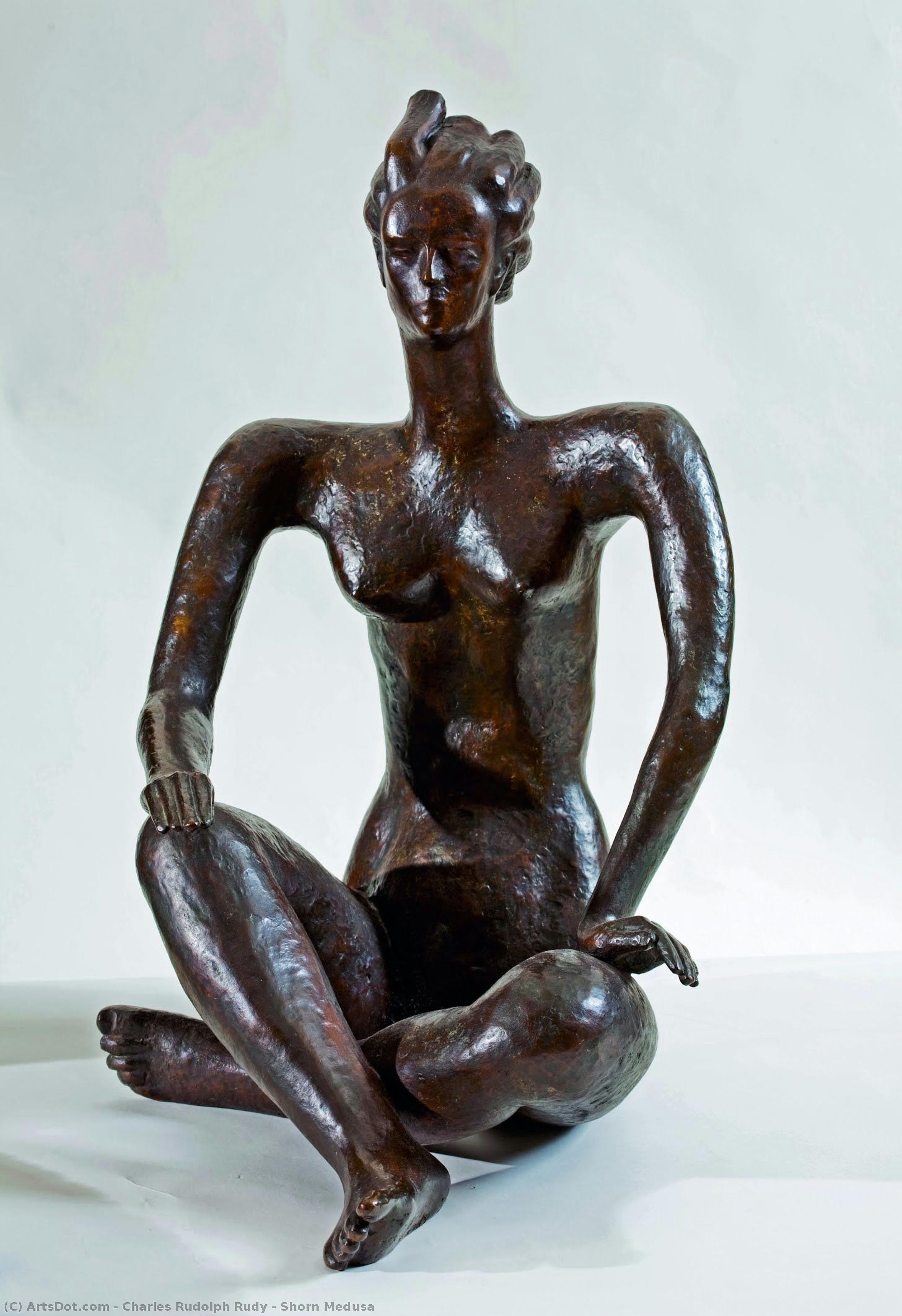
Shorn Medusa


 Read More
Purchase a high-resolution, enhanced digital image, far superior to the online preview.
Each file is meticulously prepared by our in-house specialists using advanced tools and expert manual retouching. We ensure every image has exceptional clarity, precise color accuracy, and fine detail.
The final file is delivered via email within 72 hours, optimized for immediate use in professional, editorial, and print environments. This is the same quality trusted by top-tier design studios, publishers, and galleries.
Digital Image
Download a high-resolution file for personal display, printing, and creative projects. ( Buy Print Buy Hand Made Painting)
Included in Every Digital Image Order
Expert Digital Delivery, Guaranteed
When you choose ArtsDot.com, you're not just getting an image - you're receiving a professionally enhanced digital artwork, crafted with precision and backed by a satisfaction guarantee. Here's everything that comes with your order, automatically:

Fast Email Delivery
Your high-resolution digital image file will be emailed to you within 72 hours of ordering - ready for immediate use.

AI-Enhanced Digital File
Your artwork is professionally optimized using advanced AI tools and manual editing, ensuring maximum detail, clarity, and color accuracy.

Free Lifetime Re-Delivery
Accidentally deleted or lost your file? No worries - we'll resend it to you anytime, free of charge.

No Import Fees - Ever
Enjoy your artwork instantly with zero customs, duties, or delivery fees - digital downloads are always tax-free.

Color Accuracy Guarantee
We ensure your digital image reflects the original colors as closely as possible using professional tools and color management.

60-Day Satisfaction Guarantee
If you're not satisfied with your digital image, we'll revise it or refund 100% within 60 days - no questions asked.

100% Money-Back Guarantee
Not satisfied? Get a full refund within 60 days of receiving your digital file - no questions asked.

Bulk Order Discounts
Buy 3 images, save 10% - Buy 5, save 15% - Buy 10+, save 20%. Great for creative projects, galleries, and agencies.
Collectible Description
Related Artworks
Artist Biography
Willem de Kooning: A Life in Fragments
Born April 24, 1904, in Rotterdam, the Netherlands, Willem de Kooning’s life was a complex tapestry woven from ambition, self-doubt, and an unrelenting pursuit of artistic expression. His early years were marked by a profound sense of displacement – his family moved to the United States when he was just two, settling in Trenton, New Jersey. This transatlantic shift profoundly shaped his identity, fostering a lifelong negotiation between European heritage and American experience. De Kooning’s childhood wasn't one of idyllic comfort; it was characterized by financial struggles and a pervasive atmosphere of insecurity, contributing significantly to the often-anxious quality evident in much of his work.
Despite these challenges, de Kooning possessed an exceptional intellect and a fierce determination. He initially enrolled at Columbia University, pursuing pre-medical studies while simultaneously immersing himself in the burgeoning art scene of New York City. It was here, amidst the vibrant energy of the 1920s and 30s, that he began his artistic journey, apprenticing under Gutzon Borglum and studying with Onorio Ruotolo at the Leonardo da Vinci School of Art. This early exposure to diverse artistic techniques—from classical sculpture to avant-garde painting—laid the foundation for his eclectic style.
- Early Influences: De Kooning’s work was profoundly influenced by European movements like Cubism and Surrealism, as well as the American Regionalist movement.
- Key Periods: His career can be broadly divided into several distinct periods: early figurative works (1920s-30s), a period of abstraction (1940s-50s), and a return to figuration with increasingly expressive and often unsettling imagery (late 1950s-70s).
The Rise of Abstraction and the “Woman” Series
The mid-1940s marked a pivotal shift in de Kooning’s artistic trajectory. Influenced by the rise of Abstract Expressionism, he began to experiment with increasingly abstract forms, rejecting traditional representational techniques. This period is particularly well-documented through his iconic “Woman” series (1950-53), a collection of large-scale paintings that ignited considerable controversy and critical debate. These works, characterized by their fragmented figures, distorted anatomy, and aggressive brushstrokes, challenged conventional notions of beauty and femininity.
The “Woman” paintings were not simply abstract compositions; they were intensely personal explorations of the artist’s own anxieties and insecurities. De Kooning himself famously stated, "I don't know what it is, but I paint it," reflecting a deliberate rejection of easy interpretation. Critics initially dismissed the series as vulgar and misogynistic, yet over time, they have come to be recognized as groundbreaking works that pushed the boundaries of artistic expression.
- “Woman I” (1950-53): This monumental canvas is arguably de Kooning’s most famous work, a chaotic and unsettling depiction of a female figure.
- Critical Reception: The “Woman” series sparked intense debate among critics and the public, with some viewing it as a celebration of female power and others as a brutal assault on femininity.
Waves, Excavation, and Late-Career Explorations
Following the tumultuous period surrounding the “Woman” series, de Kooning continued to explore a wide range of subjects and techniques throughout the 1950s and 60s. His prints, particularly his “Waves” series (1953), demonstrated his mastery of printmaking, capturing the dynamic energy of the ocean with remarkable precision and emotional intensity. These works showcased his ability to translate complex visual information into a concise and evocative format.
In the late 1950s and early 1960s, de Kooning returned to figuration, producing powerful paintings like “Excavation” (1955), a chaotic and fragmented depiction of a nude female figure. This work, along with others from this period, revealed a deeper level of psychological complexity and emotional vulnerability than his earlier abstract works. He continued to experiment with color, texture, and composition, creating paintings that were both visually arresting and emotionally resonant.
- “Excavation” (1955): This painting is considered a landmark work of Abstract Expressionism, characterized by its dynamic composition and fragmented imagery.
- Late-Career Works: De Kooning’s later paintings often featured distorted figures, ambiguous narratives, and a palpable sense of unease.
Legacy and Influence
Willem de Kooning died on February 18, 1990, leaving behind a vast and influential body of work. His innovative approach to painting—combining abstraction and figuration, embracing chance and spontaneity, and confronting difficult emotional truths—has had a profound impact on generations of artists. He is remembered as one of the most important American painters of the 20th century, whose work continues to challenge and inspire viewers today.
De Kooning’s legacy extends beyond his individual paintings; he played a crucial role in shaping the development of Abstract Expressionism and influencing subsequent movements such as Neo-Expressionism. His willingness to experiment, his uncompromising artistic vision, and his profound understanding of the human condition ensure that his work will continue to be studied and appreciated for years to come.

charles rudolph rudy
1904 - 1986 , United States of America
Quick Facts
- Artistic Movement Or Style: Surrealism
- Artists Or Movements Influenced By This Artist: ['Surrealism']
- Artists Who Influenced This Artist: ['Constantin Brancusi']
- Date Of Birth: May 11, 1904
- Date Of Death: January 23, 1989
- Full Name: Salvador Felipe Jacinto Dalí y Domenech
- Nationality: Spanish
- Notable Artworks:
- An Andalusian Dog
- The Golden Age
- Persistence of Memory
- Place Of Birth: Figueras, Spain

