 Preview
 Send
Send Share
Share
 Details

 Download
 Similars
 X-Ray
X-Ray Diaporama
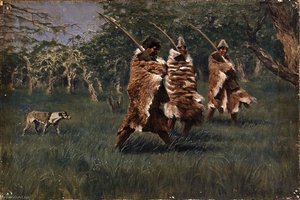
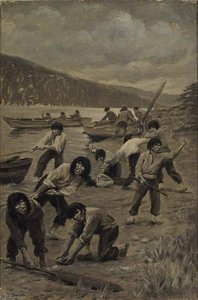
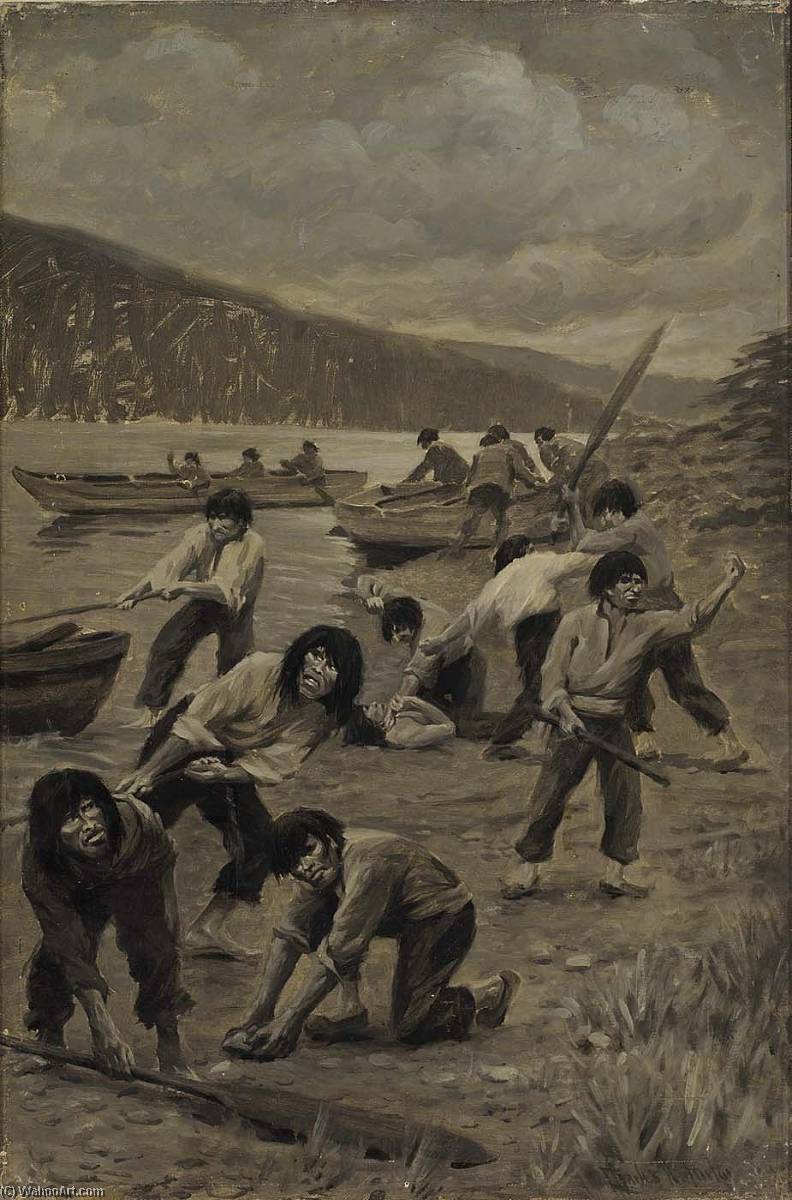
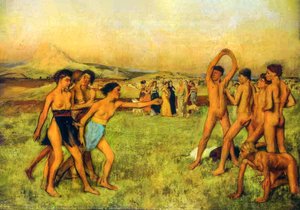
A Fight among Yaghans
 1908
1908 61.0 x 41.0 cm
 Read More
Hand Made Oil Reproduction
Hand-painted oil on canvas in your size and frame, made to order by our artists. ( Buy Print Buy Image)




































Pick from our preset sizes that match the artwork's original proportions.

You may enter your own dimensions to fit a specific frame or space. If your selected size does not match the original image's proportions, we will either crop the artwork or extend the painting with additional hand-painted elements. A digital mockup will be sent for your approval before production begins.
Please note that the on-screen preview does not reflect the actual cropping or extension. Only the mockup will accurately show the final composition.
While custom sizes are available, we recommend selecting a dimension from the predefined list to preserve the original proportions.
After order, ArtsDot.com team will email client for instructions and provide a mockup preview
Worldwide Delivery () in 3/4 weeks instead of standard 5 weeks. (27 August). No compromise on quality.

Free Worldwide Express Shipping

High-Quality Linen Canvas

Full Shipping Insurance

Customs Tax Refund Guarantee

True Color Matching Guarantee

60-Day Return Policy (Defects Only)

100% Money-Back Guarantee

Bulk Discount Offer
 Glass option is only available in size under 110 CM

A Fight among Yaghans
Reproduction Medium
Reproduction Size
-


Total Price
$ 263
Artwork Description
Artistic Style and Technique
Charles Wellington Furlong's artistic style is characterized by his attention to detail and ability to capture the essence of a moment. In A Fight among Yaghans, he uses a range of colors to convey the intensity of the scene. The brushstrokes are bold and expressive, adding to the overall energy of the painting.Subject Matter and Inspiration
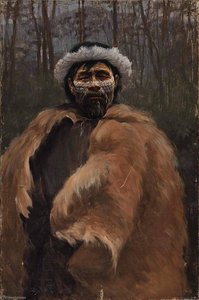
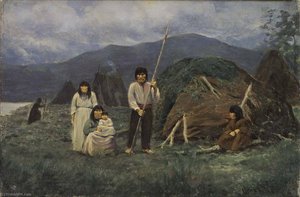
The subject matter of A Fight among Yaghans is a fascinating aspect of the painting. The Yaghans were an indigenous people living in Tierra del Fuego, Argentina, and Chile. Charles Wellington Furlong's depiction of them is a testament to his interest in exploring different cultures. The fight scene is likely inspired by his experiences traveling and observing various communities.- The painting is a significant example of early 20th-century art, showcasing the artist's unique perspective on the world.
- The use of oil on canvas adds a sense of depth and texture to the artwork, making it even more captivating.
- Charles Wellington Furlong's work is not only notable for its artistic merit but also for its historical significance, providing insight into the lives of indigenous communities.
The Smithsonian American Art Museum is a renowned institution dedicated to preserving and showcasing American art. With a collection of over 15,000 works, it is one of the largest and most comprehensive in the world. A Fight among Yaghans is just one example of the many significant pieces on display, making the museum a must-visit destination for art lovers.
Related Artworks









Artist Biography
A Life Bridging Art, Exploration, and Diplomacy: The Multifaceted World of Charles Wellington Furlong
Charles Wellington Furlong, born in Cambridge, Massachusetts, in 1874, was a figure whose life defied easy categorization. He wasn’t simply an artist, nor solely an explorer, but a compelling synthesis of both – interwoven with threads of military service and diplomatic engagement. His journey began with formal artistic training at the Massachusetts Normal Art School, graduating in 1895, laying a foundation that would inform his later observations and depictions of the world. Further studies at Cornell, Harvard, and the prestigious École des Beaux-Arts in Paris honed his skills and broadened his perspective, yet it was an insatiable curiosity and thirst for the unknown that truly defined his path. Furlong’s early career saw him heading the Art Department at Harvard University's Fogg Art Museum from 1896 to 1904, a period of academic stability before he wholeheartedly embraced a life less ordinary.Venturing into the Unknown: Travels and Artistic Responses
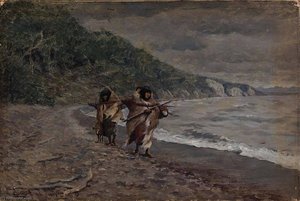
The early 20th century witnessed Furlong’s transformation into an intrepid explorer. His expeditions weren't merely geographical conquests; they were immersive studies of culture, landscape, and humanity. From 1904 to 1905, he ventured into North Africa, a journey that culminated in his publication, “The Gateway to the Sahara” (1909), offering a vivid account of a region largely unknown to Western audiences. However, it was his travels to Tierra del Fuego between 1907 and 1908, and later to Venezuela in 1910, that profoundly impacted his artistic output. These weren’t casual visits; he lived amongst the indigenous populations – the Onas and Yahgans of Patagonia – observing their lives, documenting their customs, and capturing their struggles with a sensitive eye. His artwork from this period, such as “Indians of the Furlong Expedition,” is not simply documentation but an empathetic portrayal of resilience in the face of hardship. The paintings possess a raw energy, utilizing impressionistic realism to convey both the beauty and brutality of the Patagonian landscape and the lives lived within it. He wasn’t merely *seeing* these cultures; he was attempting to understand them, to translate their essence onto canvas with rich textures and an evocative atmosphere.Service and Observation: War, Diplomacy, and a Continued Artistic Vision
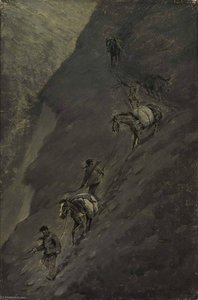
Furlong's life took another turn with the outbreak of World War I in 1914. He enlisted in the U.S. Army, serving not only on the front lines but also as a special military aide to President Woodrow Wilson. This role allowed him access to the highest echelons of power and provided opportunities for diplomatic service as a military observer in the Balkans, Near East, and Middle East. His experiences during this period undoubtedly shaped his worldview, adding another layer of complexity to his artistic vision. Even amidst the chaos of war and political maneuvering, Furlong continued to observe, to analyze, and to record. His article “Climbing the Shoulders of Atlas,” published in Harper’s Monthly Magazine in 1918, demonstrates a continuing ability to blend travel writing with insightful observation. He remained a Reserve officer for thirty-four years, reaching the rank of Colonel, and his knowledge of the Middle East proved invaluable during World War II.A Legacy Beyond Canvas: The Enduring Impact of Furlong’s Work
Charles Wellington Furlong passed away in 1967, leaving behind a legacy that extends far beyond his paintings. He was a man who seamlessly integrated artistic expression with scientific inquiry, exploration, and public service. While perhaps not as widely celebrated as some of his contemporaries, his work offers a unique window into the early 20th century – a time of rapid change, intense exploration, and shifting global dynamics. His art isn’t merely aesthetically pleasing; it's historically significant, providing valuable insights into cultures on the brink of transformation. His contributions are preserved in collections such as the Forsyth Wickes Museum of Fine Arts in Boston, and his papers offer a rich resource for scholars interested in the intersection of art, exploration, and diplomacy. Furlong’s life serves as a powerful reminder that true artistry lies not just in technical skill but in a profound engagement with the world around us. He was a man who truly lived a life less ordinary, leaving an indelible mark on those who seek to understand the complexities of our shared human experience.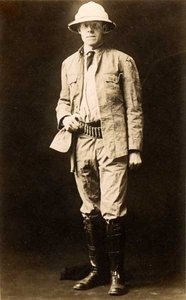
Charles Wellington Furlong
1874 - 1967 , United States of America
Quick Facts
- Artistic Movement Or Style: Impressionistic realism
- Date Of Birth: 1874
- Date Of Death: 1967
- Full Name: Charles Wellington Furlong
- Nationality: American
- Notable Artworks:
- Indians of the Furlong Expedition
- A Fight among Yaghans
- Climbing the shoulders of Atlas
- Place Of Birth: Cambridge, USA