

 Preview
 Send
Send Share
Share
 Details

 Download
 Similars
 X-Ray
X-Ray Diaporama
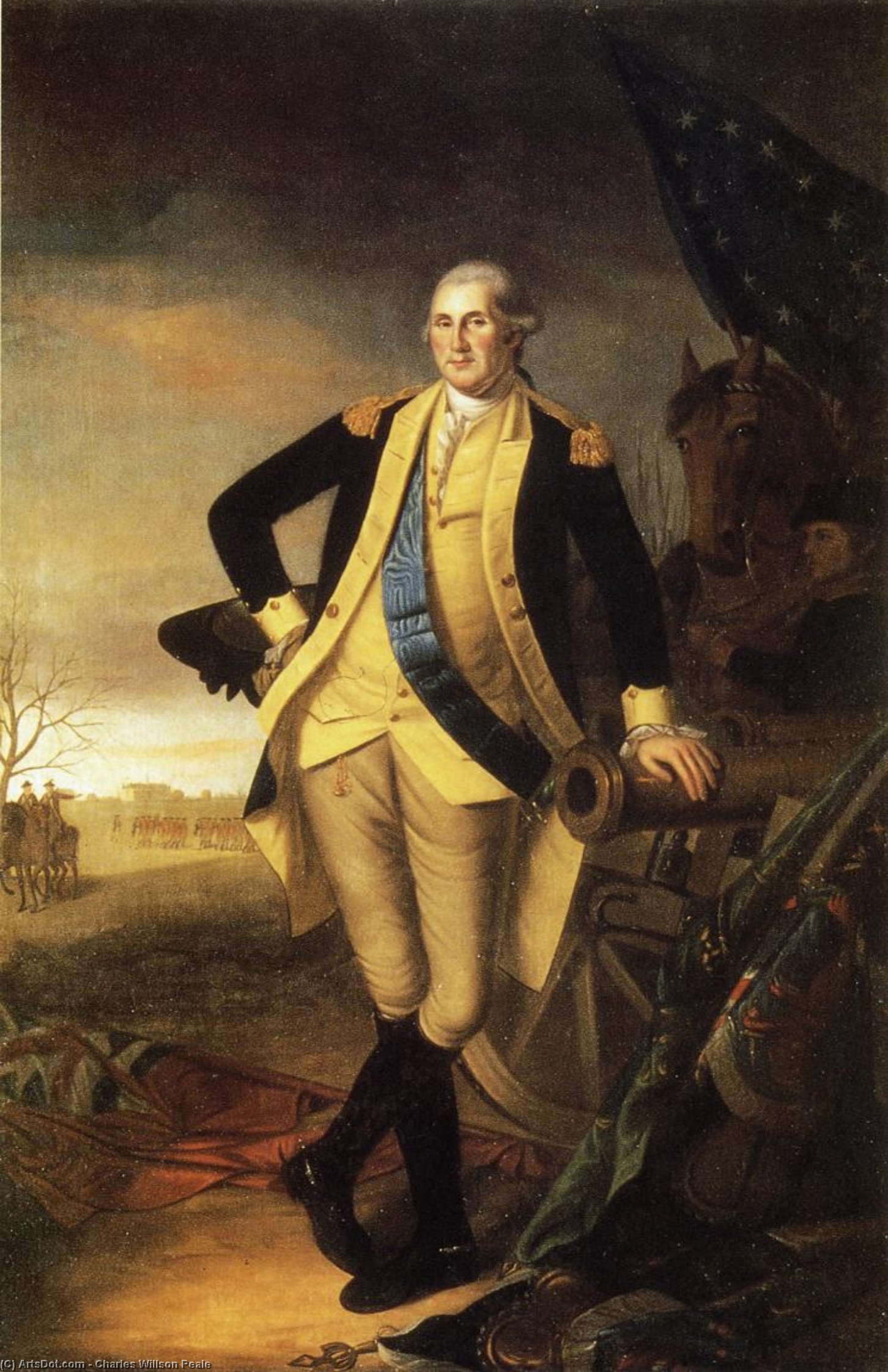
Washington After the Battle of Princeton, New Jersey


 Read More
Purchase a high-resolution, enhanced digital image, far superior to the online preview.
Each file is meticulously prepared by our in-house specialists using advanced tools and expert manual retouching. We ensure every image has exceptional clarity, precise color accuracy, and fine detail.
The final file is delivered via email within 72 hours, optimized for immediate use in professional, editorial, and print environments. This is the same quality trusted by top-tier design studios, publishers, and galleries.
Digital Image
Download a high-resolution file for personal display, printing, and creative projects. ( Buy Print Buy Hand Made Painting)
Included in Every Digital Image Order
Expert Digital Delivery, Guaranteed
When you choose ArtsDot.com, you're not just getting an image - you're receiving a professionally enhanced digital artwork, crafted with precision and backed by a satisfaction guarantee. Here's everything that comes with your order, automatically:

Fast Email Delivery
Your high-resolution digital image file will be emailed to you within 72 hours of ordering - ready for immediate use.

AI-Enhanced Digital File
Your artwork is professionally optimized using advanced AI tools and manual editing, ensuring maximum detail, clarity, and color accuracy.

Free Lifetime Re-Delivery
Accidentally deleted or lost your file? No worries - we'll resend it to you anytime, free of charge.

No Import Fees - Ever
Enjoy your artwork instantly with zero customs, duties, or delivery fees - digital downloads are always tax-free.

Color Accuracy Guarantee
We ensure your digital image reflects the original colors as closely as possible using professional tools and color management.

60-Day Satisfaction Guarantee
If you're not satisfied with your digital image, we'll revise it or refund 100% within 60 days - no questions asked.

100% Money-Back Guarantee
Not satisfied? Get a full refund within 60 days of receiving your digital file - no questions asked.

Bulk Order Discounts
Buy 3 images, save 10% - Buy 5, save 15% - Buy 10+, save 20%. Great for creative projects, galleries, and agencies.
A Moment of Triumph: The Spirit of Revolution in Peale's Masterpiece
In the quiet intensity of 1779, Charles Willson Peale captured more than just a likeness; he immortalized the very heartbeat of a nascent nation. Washington After the Battle of Princeton, New Jersey serves as a profound window into the American Revolutionary War, offering a glimpse into the heavy atmosphere of victory and the weight of leadership. Through his masterful use of oil on canvas, Peale presents George Washington not merely as a general, but as a symbol of resilience. The painting breathes with the energy of the battlefield, where the dust of conflict has yet to settle, leaving the viewer suspended in a moment of profound historical significance.
The composition is a sophisticated tapestry of military grandeur and human connection. At the center stands Washington, draped in his iconic blue military coat adorned with meticulous gold trim, a visual testament to his command and the dignity of the Continental Army. His black hat and the sword resting at his side are not merely accessories but symbols of the duty and sacrifice required to forge a new republic. Peale’s keen eye for detail extends to the surrounding figures—soldiers and civilians alike—whose presence weaves a narrative of collective struggle. The inclusion of a horse in the scene grounds the portrait in the rugged reality of 18th-century warfare, adding a layer of kinetic potential to an otherwise poised and stately arrangement.
Technique and the Art of Realism
Charles Willson Peale’s artistic lineage, shaped by his studies under Benjamin West in London, is vibrantly evident in the technical execution of this work. His style is a masterful blend of European academic precision and an emerging American realism. Every brushstroke serves to enhance the texture of the fabric, the glint of the gold embroidery, and the somber depth of the shadows. This attention to detail creates a tactile experience for the observer, making the historical scene feel immediate and tangible.
The artist utilizes light and shadow to direct the viewer's emotional journey, drawing the eye toward Washington’s resolute expression while allowing the background elements—such as the patriotic American flag—to provide essential context without overwhelming the subject. This balance of focus ensures that the painting functions both as a historical document and a breathtaking work of fine art. For the discerning collector or interior designer, this piece offers a commanding presence, capable of anchoring a room with its rich colors and profound narrative depth.
A Legacy for the Modern Collector
Beyond its aesthetic brilliance, this painting carries an emotional resonance that transcends time. It evokes a sense of patriotism, courage, and the enduring human spirit. To possess a high-quality reproduction of this work is to invite a piece of history into one's personal space, providing a conversation starter that speaks of heritage and the foundational moments of democracy.
Whether displayed in a stately library, a sophisticated study, or a curated gallery wall, Washington After the Battle of Princeton, New Jersey brings an air of intellectual prestige and timeless elegance. It is an ideal selection for those who appreciate art that tells a story—a piece that does not merely decorate a wall but enriches the very soul of a home.
Related Artworks
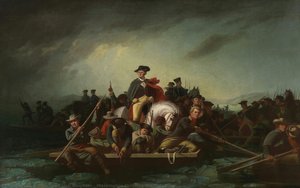
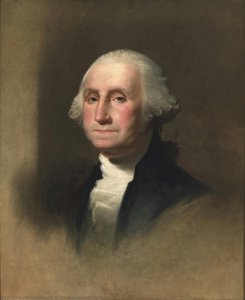
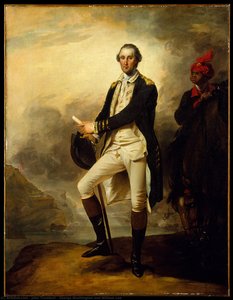
Artist Biography
Charles Willson Peale: A Life of Art, Science, and Patriotism
- Born: April 15, 1741, Chester, Queen Anne's County, Maryland
- Died: February 22, 1827, Philadelphia, Pennsylvania
Early Life and Artistic Training
- Peale’s early life was marked by financial hardship following his father’s death. He apprenticed as a saddler before discovering his passion for art.
- He received initial training from John Hesselius and briefly studied with John Singleton Copley, demonstrating an early aptitude for portraiture.
- A crucial period in his development was his time studying under Benjamin West in London (1767-1770). This exposure to European artistic trends significantly influenced his style.
Artistic Career and Major Works
- Portraiture: Peale is best known for his portraits of prominent figures from the American Revolution, including numerous depictions of George Washington (nearly sixty in total). These portraits are valuable historical documents as well as artistic achievements.
- Style: His style evolved over time, initially influenced by West’s Neoclassical approach but later incorporating elements of realism and a desire to capture likeness accurately.
- Notable Works:
- George Washington (1772): Marked the beginning of his long association with Washington.
- The Staircase Group (c. 1795): A striking example of trompe l'oeil, depicting his sons Raphael and Titian as if they were part of the architectural setting.
Scientific Pursuits and Peale’s American Museum
- Peale was a passionate naturalist and scientist, organizing expeditions to study natural history.
- He founded Peale's American Museum in Philadelphia (1784), one of the first museums in the United States. It housed botanical, biological, and archaeological specimens.
- The museum played a significant role in popularizing science and education in America. He was particularly known for his displays of mastodon bones, acquired through an expedition in 1801.
- He taught himself taxidermy to preserve specimens for the museum, demonstrating his diverse skills.
Legacy and Historical Significance
- Peale’s work bridges the gap between art and science, reflecting the Enlightenment ideals of his time.
- His portraits provide invaluable visual records of key figures in American history.
- The founding of Peale's American Museum was a pioneering effort that helped establish the museum as an important institution for education and scientific exploration.
- He influenced subsequent generations of artists and scientists, contributing significantly to the development of American culture.
- His family legacy continued through his sons, including James Peale and Rubens Peale, who also became accomplished artists and contributed to the museum's collection.
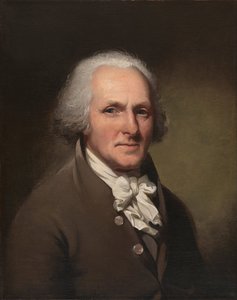
Charles Willson Peale
1741 - 1827 , United Kingdom
Quick Facts
- Artistic Movement Or Style: Neoclassical painting
- Artists Who Influenced This Artist:
- John Hesselius
- John Singleton Copley
- Benjamin West
- Date Of Birth: April 15, 1741
- Date Of Death: February 22, 1827
- Full Name: Charles Willson Peale
- Nationality: American
- Notable Artworks:
- Staircase Group
- George Washington portraits
- Place Of Birth: Chester, United Kingdom

