

 Preview
 Send
Send Share
Share
 Details

 Download
 Similars
 X-Ray
X-Ray Diaporama
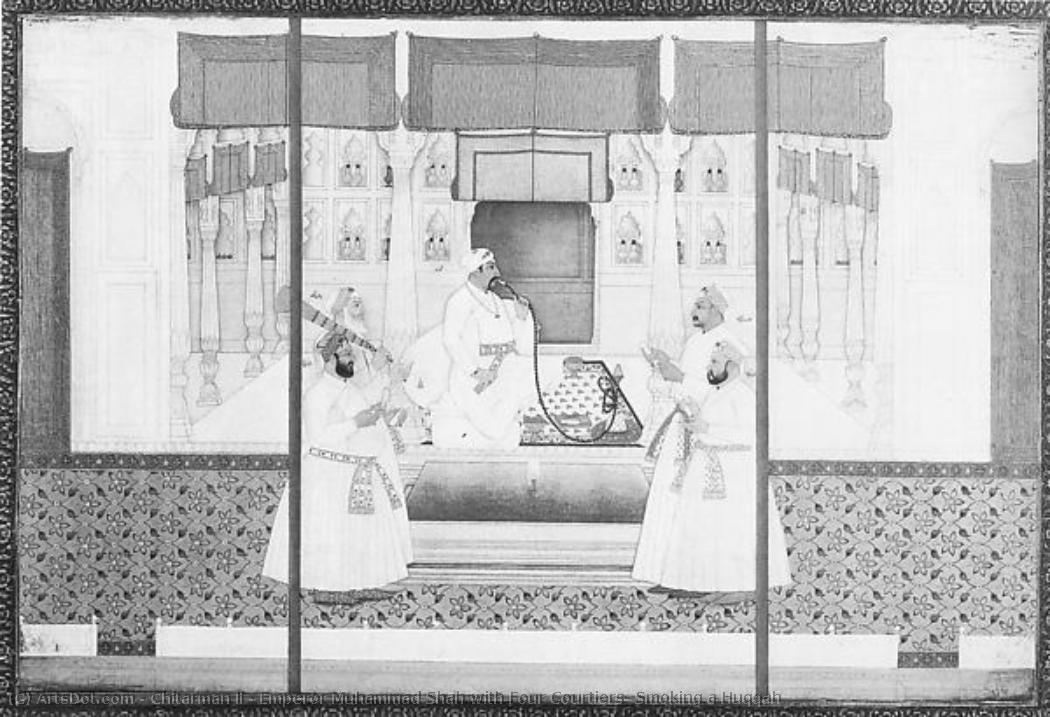
Emperor Muhammad Shah with Four Courtiers, Smoking a Huqqah
 1730
1730 31.0 x 47.0 cm
 Read More
Purchase a high-resolution, enhanced digital image, far superior to the online preview.
Each file is meticulously prepared by our in-house specialists using advanced tools and expert manual retouching. We ensure every image has exceptional clarity, precise color accuracy, and fine detail.
The final file is delivered via email within 72 hours, optimized for immediate use in professional, editorial, and print environments. This is the same quality trusted by top-tier design studios, publishers, and galleries.
Digital Image
Download a high-resolution file for personal display, printing, and creative projects. ( Buy Print Buy Hand Made Painting)
Included in Every Digital Image Order
Expert Digital Delivery, Guaranteed
When you choose ArtsDot.com, you're not just getting an image - you're receiving a professionally enhanced digital artwork, crafted with precision and backed by a satisfaction guarantee. Here's everything that comes with your order, automatically:

Fast Email Delivery
Your high-resolution digital image file will be emailed to you within 72 hours of ordering - ready for immediate use.

AI-Enhanced Digital File
Your artwork is professionally optimized using advanced AI tools and manual editing, ensuring maximum detail, clarity, and color accuracy.

Free Lifetime Re-Delivery
Accidentally deleted or lost your file? No worries - we'll resend it to you anytime, free of charge.

No Import Fees - Ever
Enjoy your artwork instantly with zero customs, duties, or delivery fees - digital downloads are always tax-free.

Color Accuracy Guarantee
We ensure your digital image reflects the original colors as closely as possible using professional tools and color management.

60-Day Satisfaction Guarantee
If you're not satisfied with your digital image, we'll revise it or refund 100% within 60 days - no questions asked.

100% Money-Back Guarantee
Not satisfied? Get a full refund within 60 days of receiving your digital file - no questions asked.

Bulk Order Discounts
Buy 3 images, save 10% - Buy 5, save 15% - Buy 10+, save 20%. Great for creative projects, galleries, and agencies.
Collectible Description
Related Artworks






Artist Biography
The Resurgence of Mughal Splendor
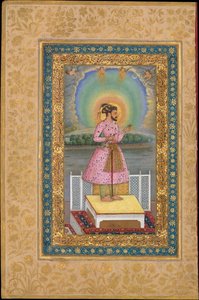
In the turbulent landscape of eighteenth-century India, as the once-mighty Mughal Empire navigated the shadows of Aurangzeb’s austere reign, a new light began to flicker within the imperial courts of Delhi. Chitarman II, known to history by the name Kalyan Das, emerged from this period of transition not merely as a painter, but as the definitive visual chronicler of a changing era. Born around 1680, his early years were marked by the fragmentation of traditional court ateliers, yet he rose to become the preeminent artist under the hedonistic and culturally vibrant patronage of Emperor Muhammad Shah. His life’s work represents a profound departure from the naturalistic traditions of the sixteenth and seventeenth centuries, signaling a shift toward a more stylized, intimate, and decorative aesthetic that would define the late Mughal period.A Symphony of Light and Geometry
The brilliance of Chitarman II lies in his revolutionary command over the medium of watercolor. While his predecessors often relied on the opaque weight of tempera, Chitarman embraced the ethereal transparency of watercolor to achieve a luminosity previously unseen in Indian portraiture. His technique allowed for delicate washes of color that captured the subtle nuances of light, creating a sense of atmosphere that felt both fresh and otherworldly. Yet, this softness was balanced by a striking structural rigor. His compositions often favored:- Symmetrical Order: A preference for balanced, almost mechanical arrangements of figures and architecture.
- Geometric Precision: The use of flat planes and architectural elements rendered in muted whites and grays to create a sense of structured space.
- Stylistic Fusion: A masterful blending of traditional Indian floral motifs with the refined, elegant lines of Persian aesthetics.
Capturing the Intimate Pulse of the Court
Beyond his technical prowess, Chitarman II’s true legacy is found in the intimate subjects he dared to depict. Under the direct influence of Emperor Muhammad Shah, the artist moved away from the formal, large-scale audience scenes that characterized earlier Mughal art. Instead, he turned his gaze toward the private, often decadent moments of courtly life. His canvases breathe with the lived experience of the imperial circle, capturing: The quiet dignity of courtiers gathered around a water pipe,The lush, sensory delights of royal entertainment involving musicians and dancers,
And even the more private, hedonistic reflections of a prince at leisure.
Through these works, Chitarman II did more than just paint portraits; he documented the very soul of an empire in its twilight, creating a visual record of a period where art, pleasure, and power were inextricably entwined. His ability to blend the mechanical with the emotive ensures his place as a cornerstone of Indian art history.
chitarman ii
1680 - 1745 , India
Quick Facts
- Artistic Movement Or Style: Mughal School
- Artists Or Movements Influenced By This Artist: ['Meju']
- Date Of Birth: New Delhi, India (1680)
- Date Of Death: 1745
- Full Name: chitarman ii (Kalyan Das)
- Nationality: Indian
- Notable Artworks:
- Emperor Farrukhsiyar Bestows a Jewel on a Nobleman
- Emperor Muhammad Shah with Four Courtiers, Smoking a Huqqah
- Place Of Birth: New Delhi

