 Preview
 Send
Send Share
Share
 Details

 Download
 Similars
 X-Ray
X-Ray Diaporama
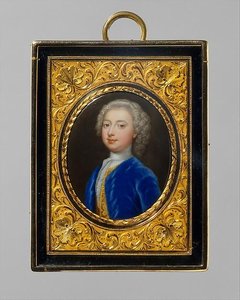
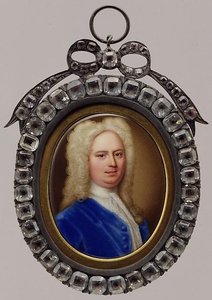
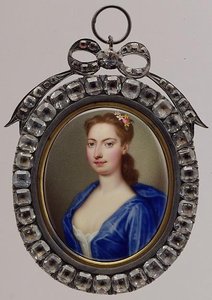
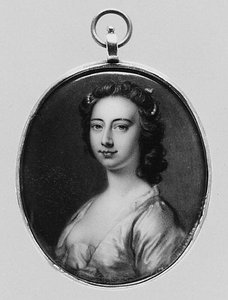
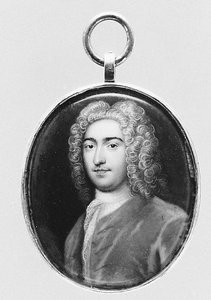
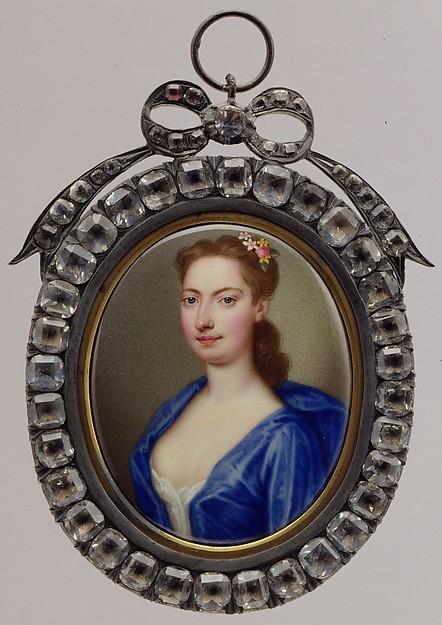
Mrs. Vanderbank

 Read More
Hand Made Oil Reproduction
Hand-painted oil on canvas in your size and frame, made to order by our artists. ( Buy Print Buy Image)




































Pick from our preset sizes that match the artwork's original proportions.

You may enter your own dimensions to fit a specific frame or space. If your selected size does not match the original image's proportions, we will either crop the artwork or extend the painting with additional hand-painted elements. A digital mockup will be sent for your approval before production begins.
Please note that the on-screen preview does not reflect the actual cropping or extension. Only the mockup will accurately show the final composition.
While custom sizes are available, we recommend selecting a dimension from the predefined list to preserve the original proportions.
After order, ArtsDot.com team will email client for instructions and provide a mockup preview
Worldwide Delivery () in 3/4 weeks instead of standard 5 weeks. (25 August). No compromise on quality.

Free Worldwide Express Shipping

High-Quality Linen Canvas

Full Shipping Insurance

Customs Tax Refund Guarantee

True Color Matching Guarantee

60-Day Return Policy (Defects Only)

100% Money-Back Guarantee

Bulk Discount Offer
 Glass option is only available in size under 110 CM

Mrs. Vanderbank
Reproduction Medium
Reproduction Size
-


Total Price
$ 263
Related Artworks







Artist Biography
Christian Friedrich Zincke: The Enamelist of the Age
Christian Friedrich Zincke, a name now largely obscured by the passage of time, was in truth one of the most prolific and influential miniature painters and enamel artists of 18th-century England. Born around 1683 in Dresden, Germany, his artistic journey began within the traditional framework of his family’s goldsmithing business, a foundation that would profoundly shape his later work. However, Zincke's ambition extended beyond mere craftsmanship; he sought to master the delicate art of enamel painting, a technique demanding both technical skill and an exceptional eye for detail – qualities he honed under the tutelage of Heinrich Christoph Fehling, a respected portrait painter in Dresden. Around 1706, Zincke embarked on a significant chapter of his life by accepting an invitation from Charles Boit, a Swedish enamellist then considered the foremost practitioner of the art form in Europe, to join his studio in London. This move marked not merely a professional transition but also a crucial step towards establishing himself within the burgeoning English artistic scene. For several years, Zincke worked alongside Boit, absorbing the intricacies of the craft and steadily building a reputation for his meticulous execution and increasingly sophisticated style. Yet, it was not long before he surpassed his mentor, demonstrating an independent vision and a remarkable ability to attract a prestigious clientele. Zinck’s rise to prominence was fueled by a combination of factors: his technical mastery, his willingness to work *ad vivum* – directly from life – rather than relying solely on preparatory sketches, and the patronage of influential figures within the royal court. He quickly gained recognition for his ability to capture not just likenesses but also the personality and character of his subjects. His portraits were renowned for their exquisite detail, particularly in the rendering of skin tones achieved through a distinctive ‘measles’ technique – a method involving the application of countless tiny red dots to create a remarkably lifelike effect. Godfrey Kneller, a celebrated portrait painter himself, championed Zincke's work, further solidifying his position within the artistic elite. In 1732, he was appointed cabinet painter to Frederick, Prince of Wales – a testament to his exceptional talent and royal favor.Technique and Style: A Master of Miniature Enamel
Zinck’s artistic style is characterized by an extraordinary level of detail and realism, particularly evident in his miniature enamel portraits. He employed a meticulous layering technique, building up the image through successive applications of colored enamels on a copper base. The use of *ad vivum* portraiture – painting directly from observation – was central to his approach, allowing him to capture subtle nuances of expression and gesture. His skin tones, as previously mentioned, were achieved through the ‘measles’ technique, creating an astonishingly lifelike effect that set him apart from many of his contemporaries. Beyond technical skill, Zincke possessed a keen understanding of composition and color harmony. His portraits often featured elegant drapery, richly textured fabrics rendered with remarkable precision, and carefully chosen accessories to convey social status and personality. He was particularly adept at capturing the fleeting expressions of his subjects, imbuing his portraits with a sense of immediacy and intimacy. The use of gold in the frames further enhanced the luxurious quality of his work, reflecting the wealth and sophistication of his clientele.Notable Works and Patronage
Zinck’s prolific output spanned several decades, resulting in a substantial body of work that is now housed in prestigious collections around the world. The National Portrait Gallery in London holds several examples of his portraits, including those of Admiral George Churchill and Queen Caroline (painted as she was forty-nine, despite being forty-nine years old). The Victoria and Albert Museum also boasts a significant collection of Zincke’s enamels, showcasing the breadth of his artistic range. His royal patronage played a crucial role in sustaining his career and ensuring access to some of England's most prominent figures. He painted portraits for members of the Royal Family, including Frederick, Prince of Wales, and later, George II. The demand for his work was so high that it is believed he may have operated a studio employing assistants, though definitive evidence remains elusive.Legacy and Historical Significance
Christian Friedrich Zincke’s contribution to the history of miniature enamel painting is undeniable. He elevated the art form to new heights of technical sophistication and artistic expression, establishing himself as England's foremost enamellist during his time. His influence extended beyond his own lifetime, inspiring subsequent generations of artists and shaping the development of portraiture in Britain. His meticulous attention to detail, his innovative use of color, and his ability to capture the essence of his subjects continue to be admired by art historians and collectors alike. Despite fading into relative obscurity after his death in 1767, Zincke’s legacy endures as a testament to the enduring power of miniature enamel painting – a delicate and captivating art form that continues to fascinate and inspire today.Further Resources
- Wikipedia Entry: https://en.wikipedia.org/wiki/Christian_Friedrich_Zincke
- V&A Collection: https://collections.vam.ac.uk#object-details
- National Portrait Gallery: https://www.npg.org.uk/collections/search/person/mp07774/christian-friedrich-zincke
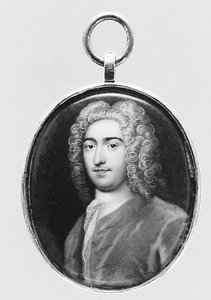
christian friedrich zincke
1683 - 1767
Quick Facts
- Artistic Movement Or Style: Miniature Painting
- Artists Or Movements Influenced By This Artist: ['Charles Boit']
- Artists Who Influenced This Artist: ['Heinrich-Christoph Fehling']
- Date Of Birth: c.1683–5
- Date Of Death: 24 March 1767
- Full Name: Christian Friedrich Zincke
- Nationality: German
- Notable Artworks:
- Richard Abell
- Portrait enamel of a Lady
- Place Of Birth: Dresden, Germany