

 Preview
 Send
Send Share
Share
 Details

 Download
 Similars
 X-Ray
X-Ray Diaporama
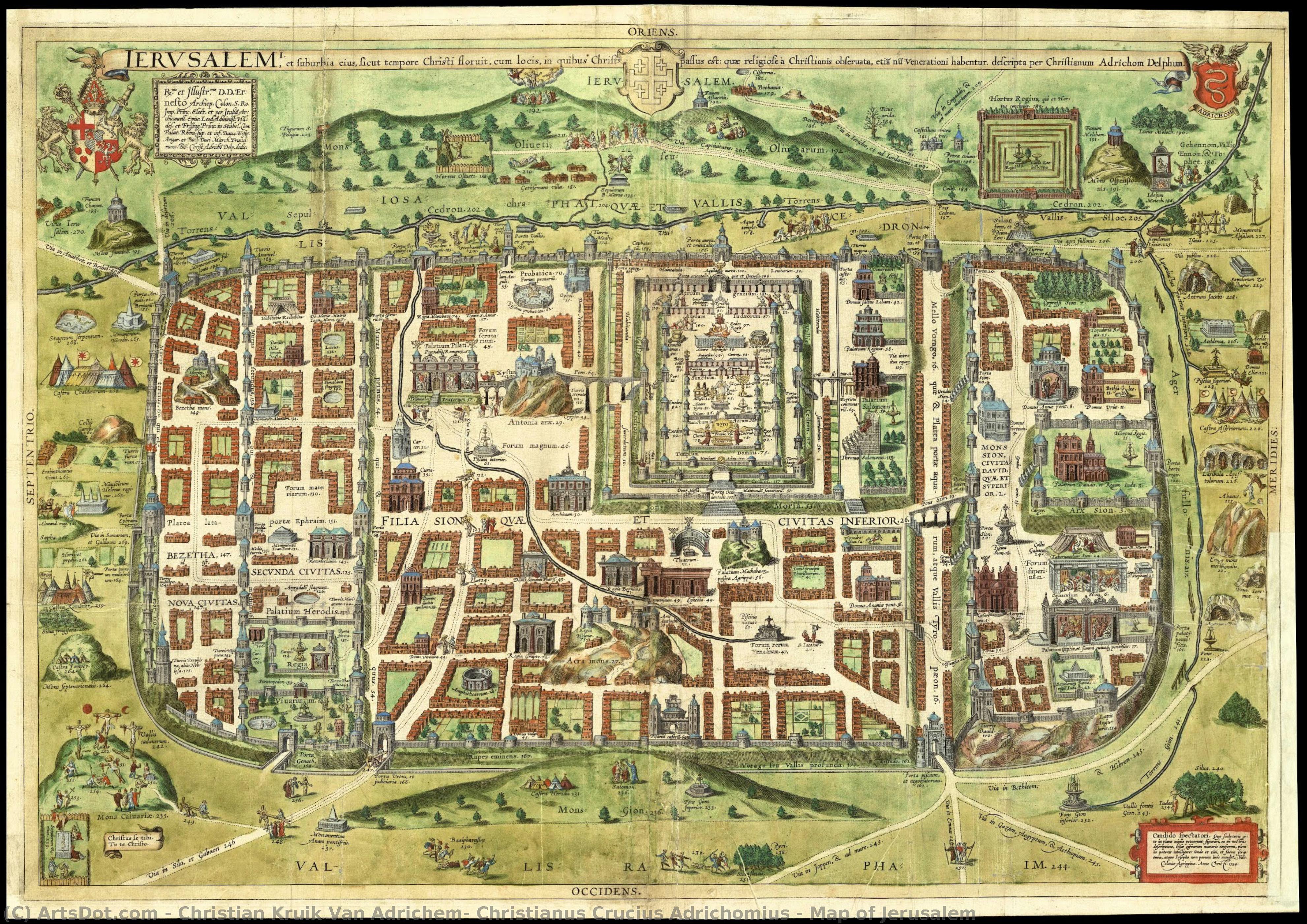
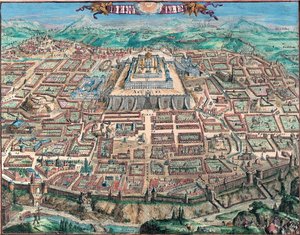
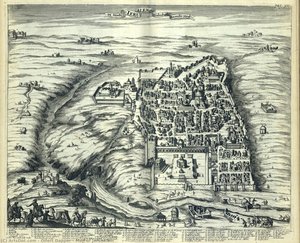
Map of Jerusalem


 Read More
Purchase a high-resolution, enhanced digital image, far superior to the online preview.
Each file is meticulously prepared by our in-house specialists using advanced tools and expert manual retouching. We ensure every image has exceptional clarity, precise color accuracy, and fine detail.
The final file is delivered via email within 72 hours, optimized for immediate use in professional, editorial, and print environments. This is the same quality trusted by top-tier design studios, publishers, and galleries.
Digital Image
Download a high-resolution file for personal display, printing, and creative projects. ( Buy Print Buy Hand Made Painting)
Included in Every Digital Image Order
Expert Digital Delivery, Guaranteed
When you choose ArtsDot.com, you're not just getting an image - you're receiving a professionally enhanced digital artwork, crafted with precision and backed by a satisfaction guarantee. Here's everything that comes with your order, automatically:

Fast Email Delivery
Your high-resolution digital image file will be emailed to you within 72 hours of ordering - ready for immediate use.

AI-Enhanced Digital File
Your artwork is professionally optimized using advanced AI tools and manual editing, ensuring maximum detail, clarity, and color accuracy.

Free Lifetime Re-Delivery
Accidentally deleted or lost your file? No worries - we'll resend it to you anytime, free of charge.

No Import Fees - Ever
Enjoy your artwork instantly with zero customs, duties, or delivery fees - digital downloads are always tax-free.

Color Accuracy Guarantee
We ensure your digital image reflects the original colors as closely as possible using professional tools and color management.

60-Day Satisfaction Guarantee
If you're not satisfied with your digital image, we'll revise it or refund 100% within 60 days - no questions asked.

100% Money-Back Guarantee
Not satisfied? Get a full refund within 60 days of receiving your digital file - no questions asked.

Bulk Order Discounts
Buy 3 images, save 10% - Buy 5, save 15% - Buy 10+, save 20%. Great for creative projects, galleries, and agencies.
Collectible Description
Related Artworks
Artist Biography
A Life Dedicated to the Holy Land: Christian Kruik van Adrichem
Christian Kruik van Adrichem, born in Delft, Netherlands, on February 13, 1533, was a figure deeply immersed in the religious and intellectual currents of his time. His life unfolded against the backdrop of the Reformation, a period of profound upheaval that would significantly shape both his personal trajectory and his scholarly pursuits. Ordained as a Catholic priest in 1566, Adrichem initially served as Director of the Convent of St. Barbara in Delft. However, the escalating religious conflicts forced his expulsion during the storm of the Reformation, leading him to seek refuge and continue his work in Cologne, where he ultimately passed away on June 20, 1585. This displacement wasn’t merely a personal hardship; it fueled a dedication to preserving and understanding the sacred sites threatened by the era's turmoil.Theatrum Terrae Sanctae: A Monumental Vision
Adrichem is best remembered for his magnum opus, *Theatrum Terrae Sanctae et Biblicarum Historiarum*, published in Cologne in 1590. This ambitious work—a comprehensive history of the Holy Land—was the culmination of thirty years of painstaking research and devotion. It wasn’t simply a geographical treatise; it was an attempt to reconstruct the world of biblical times, offering readers a vivid and detailed portrait of Palestine as it existed during the life of Christ. The *Theatrum* encompassed not only a meticulous geography of the region but also a rich tapestry of historical accounts, archaeological observations (as understood at the time), and a sweeping chronology tracing events from Adam to the death of Saint John the Apostle in 109 AD—and beyond, extending even to Adrichem’s own year of passing.Sources and Synthesis: A Scholar of His Time
Adrichem's scholarship was deeply rooted in classical sources, particularly the writings of Josephus, the Jewish historian whose accounts provided invaluable insights into Roman Palestine during the first century AD. He also drew extensively from biblical texts, the narratives of pilgrims who had journeyed to the Holy Land, and contemporary authorities like Bochart and Villalpandus. What distinguished Adrichem wasn’t merely his compilation of existing knowledge but his ability to synthesize these diverse sources into a cohesive and compelling vision. His work reflects a desire to reconcile faith with historical understanding, offering a tangible connection to the sacred past for readers grappling with the uncertainties of their present.The Map of Jerusalem: A Lasting Legacy
Within *Theatrum Terrae Sanctae*, the accompanying map of Jerusalem stands as Adrichem’s most enduring achievement. This detailed Renaissance engraving, meticulously hand-colored, presented a unique and historically significant depiction of the ancient city's layout. It wasn’t simply a cartographic exercise; it was an act of preservation—a visual attempt to capture the essence of Jerusalem before further changes or destruction occurred. The map became remarkably influential, serving as the definitive representation of the city for centuries until archaeological discoveries in the 19th century revealed new layers of its complex history. It’s a testament to Adrichem's dedication and meticulous research that his rendering remained so authoritative for so long.Historical Significance: A Bridge Between Eras
Christian Kruik van Adrichem occupies a unique position in art and religious scholarship. He represents a transitional figure, bridging the medieval tradition of devotional imagery with the emerging Renaissance emphasis on historical accuracy and empirical observation. His work reflects the anxieties and aspirations of an era grappling with profound religious change. While deeply committed to his Catholic faith, he embraced scholarly methods that sought to understand the past through reasoned inquiry. *Theatrum Terrae Sanctae* is more than just a book or a map; it’s a window into the intellectual world of the 16th century—a testament to the power of scholarship, devotion, and the enduring human desire to connect with the sacred roots of faith. His detailed work continues to be studied today by historians, theologians, and art enthusiasts alike, solidifying his place as a significant figure in the history of cartography, religious studies, and Renaissance thought.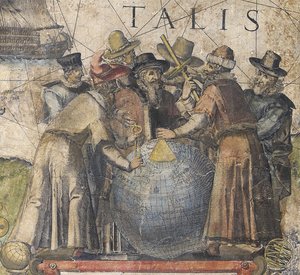
christian kruik van adrichem, christianus crucius adrichomius
1533 - 1585 , Netherlands
Quick Facts
- Artistic Movement Or Style: Renaissance engraving
- Date Of Birth: February 13, 1533
- Date Of Death: June 20, 1585
- Full Name: Christian Kruik van Adrichem
- Nationality: Dutch
- Notable Artworks:
- Map of Jerusalem
- Vita Jesu Christi
- Theatrum Terrae Sanctae
- Place Of Birth: Delft, Netherlands

