

 Preview
 Send
Send Share
Share
 Details

 Download
 Similars
 X-Ray
X-Ray Diaporama
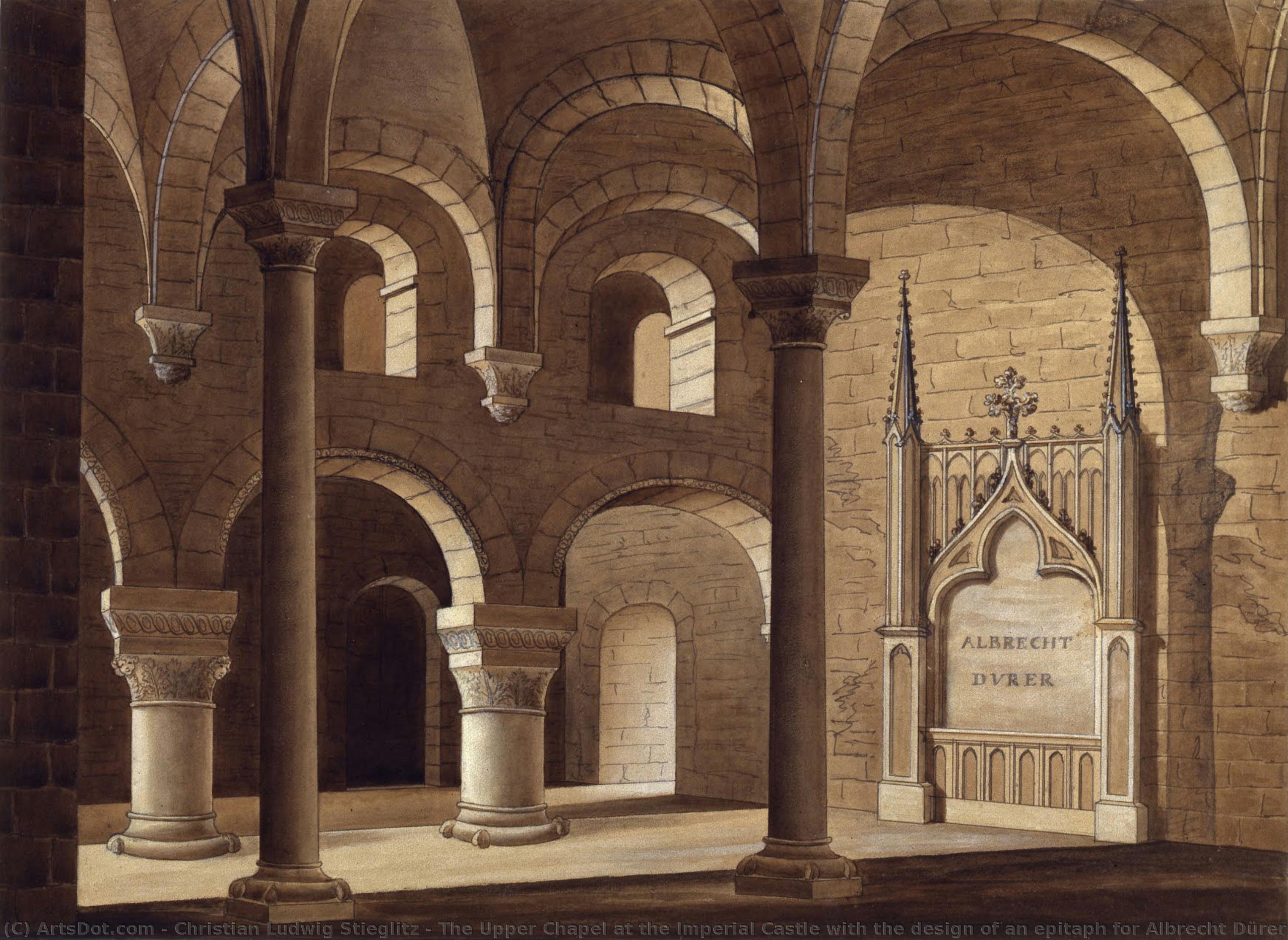
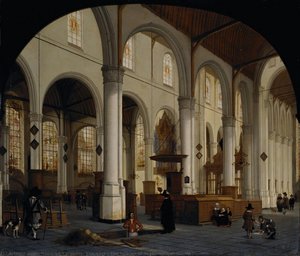
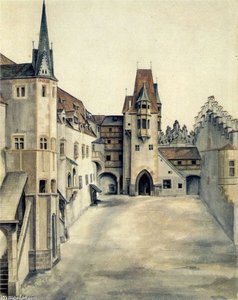
The Upper Chapel at the Imperial Castle with the design of an epitaph for Albrecht Dürer


 Read More
Purchase a high-resolution, enhanced digital image, far superior to the online preview.
Each file is meticulously prepared by our in-house specialists using advanced tools and expert manual retouching. We ensure every image has exceptional clarity, precise color accuracy, and fine detail.
The final file is delivered via email within 72 hours, optimized for immediate use in professional, editorial, and print environments. This is the same quality trusted by top-tier design studios, publishers, and galleries.
Digital Image
Download a high-resolution file for personal display, printing, and creative projects. ( Buy Print Buy Hand Made Painting)
Included in Every Digital Image Order
Expert Digital Delivery, Guaranteed
When you choose ArtsDot.com, you're not just getting an image - you're receiving a professionally enhanced digital artwork, crafted with precision and backed by a satisfaction guarantee. Here's everything that comes with your order, automatically:

Fast Email Delivery
Your high-resolution digital image file will be emailed to you within 72 hours of ordering - ready for immediate use.

AI-Enhanced Digital File
Your artwork is professionally optimized using advanced AI tools and manual editing, ensuring maximum detail, clarity, and color accuracy.

Free Lifetime Re-Delivery
Accidentally deleted or lost your file? No worries - we'll resend it to you anytime, free of charge.

No Import Fees - Ever
Enjoy your artwork instantly with zero customs, duties, or delivery fees - digital downloads are always tax-free.

Color Accuracy Guarantee
We ensure your digital image reflects the original colors as closely as possible using professional tools and color management.

60-Day Satisfaction Guarantee
If you're not satisfied with your digital image, we'll revise it or refund 100% within 60 days - no questions asked.

100% Money-Back Guarantee
Not satisfied? Get a full refund within 60 days of receiving your digital file - no questions asked.

Bulk Order Discounts
Buy 3 images, save 10% - Buy 5, save 15% - Buy 10+, save 20%. Great for creative projects, galleries, and agencies.
Related Artworks
Artist Biography
A Life Dedicated to Sacred Space: The Art of Christian Ludwig Stieglitz
Christian Ludwig Stieglitz, born in Leipzig, Germany in 1756 and passing away in 1836, was a figure deeply immersed in the revival of historical styles, particularly those relating to medieval religious art. While not a household name like some of his contemporaries, Stieglitz’s contribution lies in his meticulous dedication to recreating and interpreting the artistic language of earlier eras, specifically within the context of imperial patronage and burgeoning museum culture. His life unfolded during a period of significant change – the Enlightenment giving way to Romanticism – and his work reflects both the rational study of historical forms and a growing appreciation for emotional and spiritual expression. He wasn’t merely copying past masters; he was actively engaging with their legacy, adapting it to suit contemporary needs and tastes.Early Training and Influences
Details regarding Stieglitz's early artistic training remain somewhat scarce, but his later work clearly demonstrates a profound understanding of drawing, composition, and the techniques employed by 14th-century German and Italian painters. It is likely he received formal instruction in Leipzig, a city with a strong tradition of art and scholarship. The influence of Albrecht Dürer is particularly evident in Stieglitz’s precise linework and attention to detail. However, his artistic journey wasn't limited to the German Renaissance; exposure to Byzantine art styles – through engravings or perhaps even travel – also played a crucial role in shaping his aesthetic sensibility. This fascination with Byzantium would become a defining characteristic of his mature work. The rediscovery of classical antiquity during this period undoubtedly impacted Stieglitz, though his focus remained firmly rooted in the medieval world and its spiritual concerns.Imperial Commissions and Chapel Designs
Stieglitz’s career gained significant momentum through commissions from the Habsburg imperial court. He became renowned for his designs of chapel interiors within the Imperial Castle in Vienna. These were not simply decorative projects; they represented a deliberate attempt to connect the present dynasty with the grandeur and legitimacy of the past. The chapels, meticulously planned and executed under Stieglitz’s direction, served as visual statements of imperial power and religious devotion. He skillfully blended various historical styles – Gothic, Romanesque, and Byzantine – creating spaces that evoked a sense of timeless sanctity. His work involved not only painting but also architectural design, stained glass selection, and the integration of sculpture and other decorative elements. The Dürer Epitaph Design stands as a testament to his ability to synthesize these influences into a cohesive artistic vision.The Hungarian Christian Museum: A Legacy Preserved
Perhaps Stieglitz’s most enduring legacy is his contribution to the founding of the Hungarian Christian Museum (Magyar Keresztény Múzeum) in Pest, Hungary. This institution, established during his later years, housed a remarkable collection of medieval religious art – many pieces acquired or commissioned by Stieglitz himself. The museum wasn't merely a repository for historical artifacts; it was intended as a center for scholarly research and artistic inspiration. It provided a platform for the study and appreciation of Christian art from various traditions, fostering a deeper understanding of its symbolism and cultural significance. His dedication to this project demonstrates his belief in the power of art to educate and uplift society. The museum’s collection, carefully curated by Stieglitz, offered a comprehensive overview of medieval religious painting, sculpture, and metalwork, with a particular emphasis on Byzantine influences.Historical Significance and Artistic Style
Christian Ludwig Stieglitz occupies a unique position in the history of 19th-century art. He wasn’t a revolutionary innovator but rather a skilled interpreter and revitalizer of historical styles. His work reflects the growing interest in medievalism during this period, fueled by Romanticism's fascination with the past and its spiritual values. His meticulous attention to detail, combined with his ability to synthesize diverse artistic influences, makes his chapel designs particularly noteworthy. He stands as a representative of an era where art was often seen as a vehicle for expressing religious faith and reinforcing social order. While largely overlooked today, Stieglitz’s contribution to the preservation and study of medieval Christian art – especially through the Hungarian Christian Museum – remains significant. His work offers valuable insights into the artistic tastes and cultural values of the Habsburg Empire during a period of profound transformation. He represents a bridge between the rationalism of the Enlightenment and the emotional intensity of Romanticism, creating sacred spaces that continue to inspire awe and contemplation.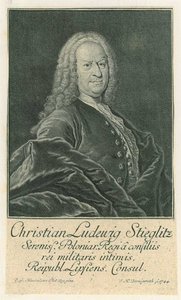
christian ludwig stieglitz
1756 - 1836 , Germany
Quick Facts
- Artistic Movement Or Style: Romanticism
- Artists Or Movements Influenced By This Artist: ['Romanticism']
- Artists Who Influenced This Artist:
- Johann Wolfgang Goethe
- Caspar David Friedrich
- Date Of Birth: 1756 Leipzig Germany
- Date Of Death: 1836
- Full Name: Christian Ludwig Stieglitz
- Nationality: German
- Notable Artworks: ["Plans et Dessins Tirés de la Belle Architecture ou Representations D'Edifices executés ou projettés en 115 Planches avec les Explications nécessaires Le tout accompagné d’un Traié abrégé"]
- Place Of Birth: Leipzig Germany

