 Preview
 Send
Send Share
Share
 Details

 Download
 Similars
 X-Ray
X-Ray Diaporama
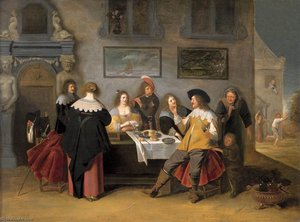
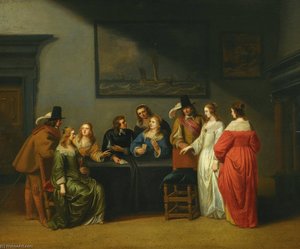
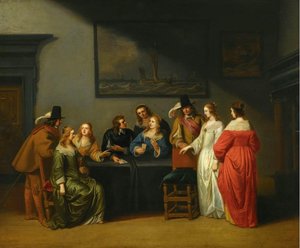
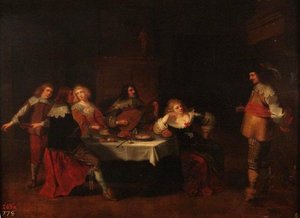
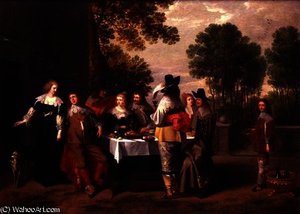
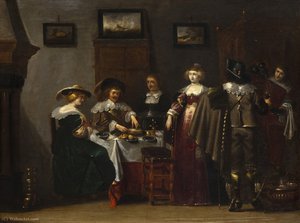
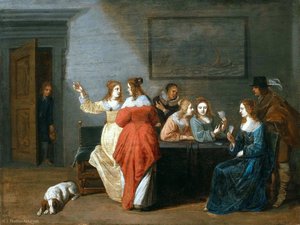
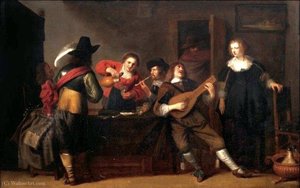
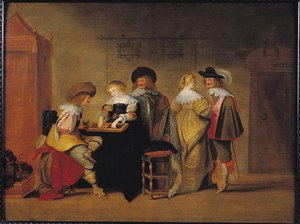
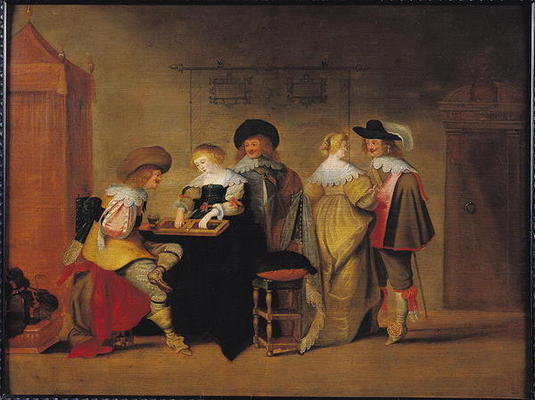
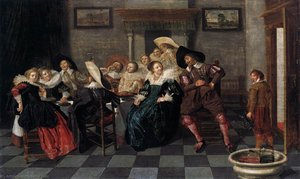
Backgammon Players (oil On Panel)
 Read More
Hand Made Oil Reproduction
Hand-painted oil on canvas in your size and frame, made to order by our artists. ( Buy Print Buy Image)




































Pick from our preset sizes that match the artwork's original proportions.

You may enter your own dimensions to fit a specific frame or space. If your selected size does not match the original image's proportions, we will either crop the artwork or extend the painting with additional hand-painted elements. A digital mockup will be sent for your approval before production begins.
Please note that the on-screen preview does not reflect the actual cropping or extension. Only the mockup will accurately show the final composition.
While custom sizes are available, we recommend selecting a dimension from the predefined list to preserve the original proportions.
After order, ArtsDot.com team will email client for instructions and provide a mockup preview
Worldwide Delivery () in 3/4 weeks instead of standard 5 weeks. (17 August). No compromise on quality.

Free Worldwide Express Shipping

High-Quality Linen Canvas

Full Shipping Insurance

Customs Tax Refund Guarantee

True Color Matching Guarantee

60-Day Return Policy (Defects Only)

100% Money-Back Guarantee

Bulk Discount Offer
 Glass option is only available in size under 110 CM

Backgammon Players (oil On Panel)
Reproduction Medium
Reproduction Size
-


Total Price
$ 263
Related Artworks
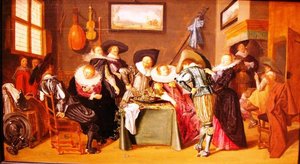
Artist Biography
A Life Immersed in Merriment: The World of Christoffel Jacobsz van der Laemen
Christoffel Jacobsz van der Laemen, a name perhaps less instantly recognizable than some of his Baroque contemporaries, nevertheless occupies a fascinating niche within the vibrant artistic landscape of 17th-century Flanders. Born around 1606 or 1607 – the exact location debated between Antwerp and Brussels – he inherited not only a lineage steeped in artistry but also a keen understanding of the art market itself, as his father, Jacob van der Laemen, was both a painter and a dealer. This early exposure undoubtedly shaped Christoffel’s career, fostering an astute awareness of prevailing tastes and a pragmatic approach to his craft. The question of his birthplace remains somewhat elusive; his father's activities in Brussels between 1613 and 1620 fuel speculation, yet the strong ties to Antwerp’s artistic guilds suggest a formative period within that city’s bustling creative environment. His initial training came directly from his father, laying the foundation for a style that would become synonymous with lively genre scenes and an astute observation of social life. By 1636/37, he had established himself firmly within Antwerp's artistic community, achieving wine-master status at the Guild of St. Luke – a testament to his growing reputation and professional standing.The Painter of Pleasantries: Style and Thematic Concerns
Van der Laemen carved out a distinctive space for himself by specializing in what became known as “merry company” scenes. These weren’t merely depictions of gatherings; they were vibrant snapshots of elegant figures immersed in the pleasures of life – card games, backgammon matches unfolding with subtle tension, lively dances accompanied by music, and lavish feasts brimming with abundance. He possessed a remarkable ability to capture the energy and atmosphere of these social interactions, imbuing his canvases with a sense of immediacy and delight. However, beneath the surface of these seemingly carefree scenes often lay layers of complexity. Van der Laemen frequently depicted brothel scenes, offering glimpses into a less-reputable side of 17th-century society, alongside interpretations of the biblical story of the Prodigal Son – a narrative ripe with moral implications. His settings were equally varied, ranging from refined interiors and bustling inns to idyllic gardens, each meticulously rendered with attention to detail. What truly set his work apart was his technical prowess: a vibrant use of color, dynamic compositions that drew the eye across the canvas, and a masterful employment of both thick impasto – creating textural richness – and *sfumato* effects, lending a soft, atmospheric quality to his figures and backgrounds. A particularly intriguing aspect of his style was the recurring motif of incorporating paintings of religious subjects into the background of his dancing scenes. This subtle juxtaposition served as a visual counterpoint, hinting at the potential sinfulness of worldly pleasures while simultaneously invoking spiritual contemplation.Echoes and Influences: Artistic Lineage and Legacy
While Van der Laemen developed a highly individual style, he wasn’t working in isolation. Comparisons were often drawn between his work and that of Dirck Hals, a Dutch painter renowned for similar merry company scenes. However, Van der Laemen's unique technical flourishes – the distinctive impasto and *sfumato* effects – distinguished him from his northern counterpart. His influence extended to subsequent generations of artists as well. Laurence Neter, for example, demonstrably drew inspiration from his motifs in dancing scenes, while Hieronymus Janssens was actually a pupil of Van der Laemen, absorbing the master’s techniques and stylistic sensibilities firsthand. The artist's impact is visible not only through direct imitation but also in the broader development of Flemish Baroque painting, contributing to the genre’s increasing sophistication and narrative depth. His paintings offer invaluable insights into the social customs and artistic tastes of his era, providing a window into the lives of the wealthy elite and their leisure pursuits.A Lasting Impression: Historical Significance and Rediscovery
Christoffel Jacobsz van der Laemen’s contribution to 17th-century art lies not in grand historical narratives or religious allegories, but in his ability to capture the essence of everyday life with wit, elegance, and technical brilliance. His paintings are more than mere depictions of social gatherings; they are carefully constructed observations of human interaction, imbued with subtle moral undertones and a keen understanding of visual storytelling. Though perhaps not as widely celebrated during his lifetime as some of his contemporaries, his work continues to resonate with modern audiences, appreciated for its technical skill, vibrant atmosphere, and historical significance. His paintings can be found in museums and private collections around the world, including notable examples like several versions of *The Prodigal Son* housed at the Art Museum Riga Bourse (Latvia) and the Louvre, as well as captivating scenes such as *Elegant Company In An Interior*. He passed away between September 22, 1651, and September 17, 1652, leaving behind a legacy of lively and engaging genre scenes that continue to captivate and intrigue. His work serves as a reminder that even in the seemingly frivolous pursuits of pleasure and entertainment, there is always room for artistry, observation, and a deeper understanding of the human condition.Notable Works
- The Prodigal Son: Multiple versions exist, showcasing his narrative skill and detailed depictions of daily life.
- Dancing Party in an Interior: Exemplifies his ability to capture lively gatherings with a subtle religious counterpoint.
- Paintings of brothel scenes and card games: Provide insights into 17th-century Belgian society and human interaction.
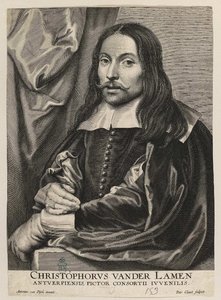
Christoffel Jacobsz van der Laemen
1606 - 1651 , Belgium
Quick Facts
- Artistic Movement Or Style: Baroque, Genre painting
- Artists Or Movements Influenced By This Artist:
- Laurence Neter
- Hieronymus Janssens
- Date Of Birth: c. 1606/1607
- Date Of Death: 1651
- Full Name: Christoffel Jacobsz van der Laemen
- Nationality: Flemish
- Notable Artworks:
- The Prodigal Son
- Elegant Company in Interior
- Interior with Card Players
- Place Of Birth: Antwerp, Belgium