

 Preview
 Send
Send Share
Share
 Details

 Download
 Similars
 X-Ray
X-Ray Diaporama
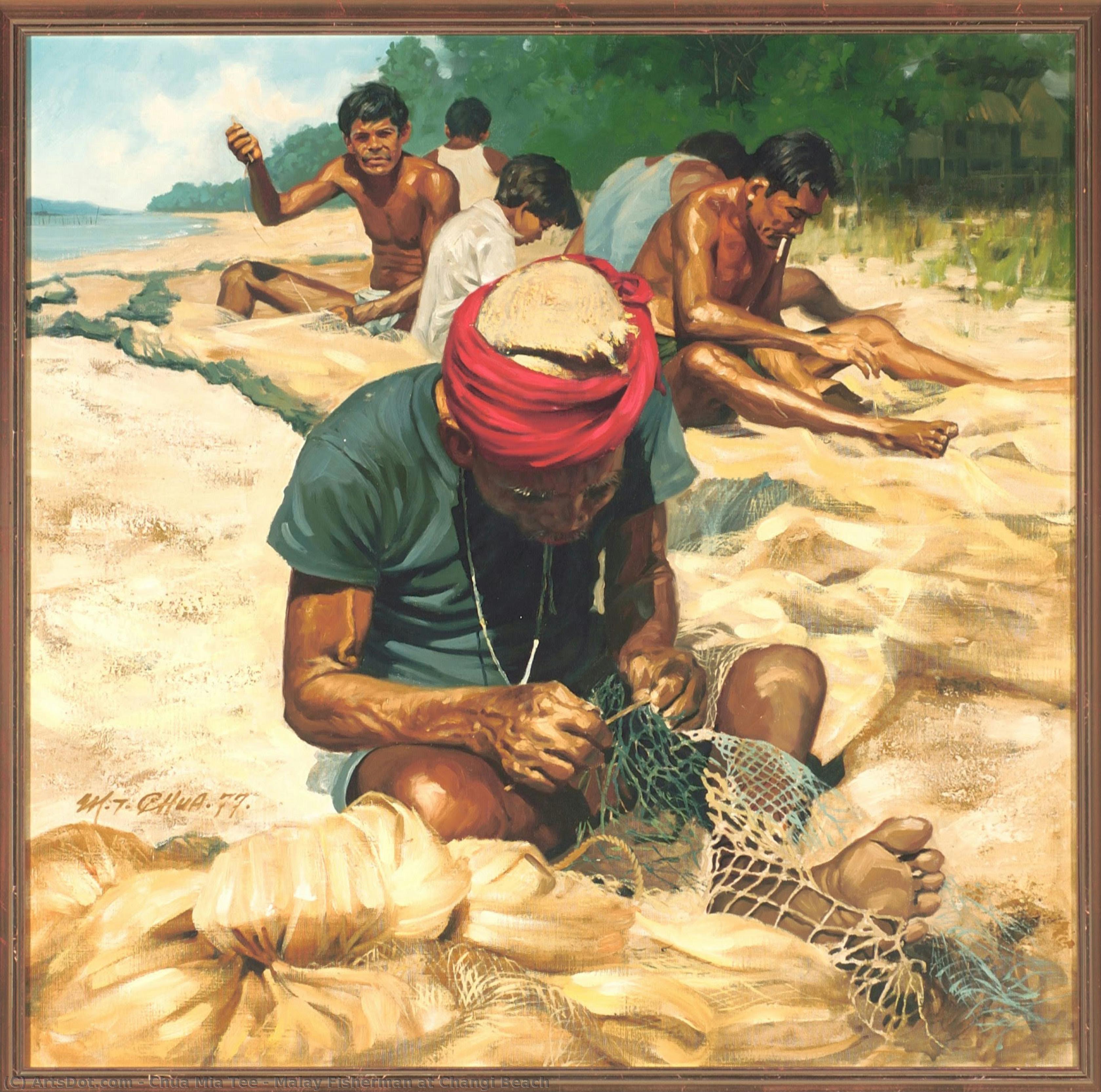
Malay Fisherman at Changi Beach
 Oil On Canvas
- WallArt
- Contemporary Realism
 1977
1977 880.0 x 868.0 cm
 National Museum of Singapore
 Read More
Purchase a high-resolution, enhanced digital image, far superior to the online preview.
Each file is meticulously prepared by our in-house specialists using advanced tools and expert manual retouching. We ensure every image has exceptional clarity, precise color accuracy, and fine detail.
The final file is delivered via email within 72 hours, optimized for immediate use in professional, editorial, and print environments. This is the same quality trusted by top-tier design studios, publishers, and galleries.
Digital Image
Download a high-resolution file for personal display, printing, and creative projects. ( Buy Print Buy Hand Made Painting)
Included in Every Digital Image Order
Expert Digital Delivery, Guaranteed
When you choose ArtsDot.com, you're not just getting an image - you're receiving a professionally enhanced digital artwork, crafted with precision and backed by a satisfaction guarantee. Here's everything that comes with your order, automatically:

Fast Email Delivery
Your high-resolution digital image file will be emailed to you within 72 hours of ordering - ready for immediate use.

AI-Enhanced Digital File
Your artwork is professionally optimized using advanced AI tools and manual editing, ensuring maximum detail, clarity, and color accuracy.

Free Lifetime Re-Delivery
Accidentally deleted or lost your file? No worries - we'll resend it to you anytime, free of charge.

No Import Fees - Ever
Enjoy your artwork instantly with zero customs, duties, or delivery fees - digital downloads are always tax-free.

Color Accuracy Guarantee
We ensure your digital image reflects the original colors as closely as possible using professional tools and color management.

60-Day Satisfaction Guarantee
If you're not satisfied with your digital image, we'll revise it or refund 100% within 60 days - no questions asked.

100% Money-Back Guarantee
Not satisfied? Get a full refund within 60 days of receiving your digital file - no questions asked.

Bulk Order Discounts
Buy 3 images, save 10% - Buy 5, save 15% - Buy 10+, save 20%. Great for creative projects, galleries, and agencies.
Collectible Description
A Window into Singapore’s Soul: Chua Mia Tee's ‘Malay Fisherman at Changi Beach’
Chua Mia Tee’s “Malay Fisherman at Changi Beach,” painted in 1977, isn’t merely a depiction of a scene; it’s a poignant snapshot of a nation grappling with its identity and the rhythms of daily life. Born Shantou, China, and migrating to Singapore in 1937 amidst escalating tensions, Chua's early experiences profoundly shaped his artistic vision – a commitment to portraying the realities of ordinary people within the context of a rapidly changing Southeast Asia. This particular work, housed within the National Gallery Singapore’s collection, offers a remarkably intimate glimpse into the lives of indigenous communities and the enduring connection between humanity and the sea.
The Scene Unfolds: Realism with Romantic Undertones
The painting immediately draws the viewer in with its vibrant palette dominated by warm earth tones – ochre, terracotta, and deep browns – mirroring the sandy beach and weathered faces of the fishermen. The composition is carefully balanced, yet subtly asymmetrical, guiding our eye towards the central figure: an older man, deeply engrossed in meticulously repairing a fishing net. Around him, several other men work diligently, creating a sense of communal effort and shared purpose. Chua masterfully employs realism, capturing the physicality of the figures – their calloused hands, sun-baked skin, and the intricate details of their tools – yet infuses the scene with a touch of romanticism. The lighting is soft and diffused, casting gentle shadows that lend depth and atmosphere to the composition, suggesting both the heat of the day and the quiet dignity of labor.
Technique and Style: Impasto and a Flattened Perspective
Chua’s technique reveals a deliberate engagement with texture. In places, particularly around the nets and the fisherman's hands, we see evidence of *impasto*, where thick layers of paint create a tactile surface that invites close inspection. This adds a remarkable sense of physicality to the artwork, emphasizing the roughness of the sand and the worn fabric of the nets. Simultaneously, Chua employs a somewhat flattened perspective, reminiscent of traditional Chinese landscape painting, which lends the scene a timeless quality. This choice directs our focus onto the figures themselves rather than creating an illusion of vast space – a deliberate strategy that underscores the importance of human connection within its environment.
Symbolism and Historical Context: A Nation Forged in Hardship
“Malay Fisherman at Changi Beach” transcends a simple depiction of fishing; it’s a powerful symbol of Singapore's nascent identity. Painted during a period of significant social and political transformation, the artwork reflects the nation’s roots in its maritime traditions and the vital role played by indigenous communities. The fishermen represent resilience, community, and an unwavering connection to nature – values that would become central to Singaporean culture. Furthermore, Chua's work aligns with the broader movement of Social Realism within Southeast Asian art, a style characterized by its commitment to portraying the lives of ordinary people and addressing social issues. It’s a historical document, capturing a moment in time when Singapore was actively forging its own path.
Emotional Resonance: A Quiet Dignity
Ultimately, “Malay Fisherman at Changi Beach” evokes a profound sense of quiet dignity and understated beauty. The painting’s strength lies not in dramatic gestures or sweeping landscapes, but in the subtle details – the focused gaze of the fisherman, the rhythmic movements of his hands, the shared labor of his companions. It's an invitation to contemplate the simple pleasures and enduring values that underpin human existence, offering a poignant reminder of Singapore’s rich cultural heritage and the spirit of its people. Reproductions of this artwork offer a tangible connection to this powerful narrative.
Related Artworks





Artist Biography
A Witness to History: The Soul of Malayan Realism
Chua Mia Tee (蔡名智) stands as a pivotal figure in Singaporean art history, a painter whose brush did more than merely apply pigment to canvas; it documented the very heartbeat of a nation in flux. Born in Singapore in 1931, Chua’s life and artistry were inextricably linked to the socio-political transformations of Malaya during its formative years. His family’s journey from Shantou, Guangdong Province, to Singapore in 1937—driven by the escalating tensions of the Sino-Japanese War—instilled in him a profound, lifelong understanding of displacement, resilience, and the human struggle for identity. This early exposure to upheaval would later become the emotional bedrock of his work, allowing him to capture the spirit of ordinary citizens grappling with the dawn of independence and the complexities of nationhood.
His artistic formation was a sophisticated blend of Eastern heritage and Western technique. After receiving foundational education at Shuqun and Tuan Mong Schools, Chua pursued formal studies at the Nanyang Academy of Fine Arts (NAFA) in 1952. It was here that he honed his technical prowess under influential mentors, absorbing the rigorous principles of Western art while remaining deeply grounded in Eastern traditions. This duality allowed him to develop a style rooted in social realism—a movement that prioritized truthful, often unflinching, depictions of everyday life. His involvement with the Equator Art Society, established in 1956, was perhaps the most defining chapter of his career. This collective sought to foster a distinct Malayan consciousness, and Chua became one of its most vital voices, using art as a tool to challenge prevailing narratives and celebrate the shared struggles of the people.
The Canvas of Consciousness
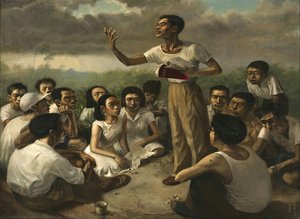
Chua’s oeuvre is characterized by an extraordinary ability to weave monumental scale with intimate human emotion. One of his most seminal achievements, the 1955 oil painting ‘Epic Poem of Malaya’, serves as a cornerstone of the region's art history. This massive work, measuring approximately eight feet, transcends simple landscape or portraiture; it is a vibrant, pulsating narrative of aspiration. Through meticulous detail and a rich palette, Chua captures scenes such as fishermen at Changi Beach, transforming a moment of labor into an evocative symbol of national vitality. His ability to blend realism with a sense of romanticism allows his subjects to emerge not just as figures in a scene, but as protagonists in the unfolding drama of a new society.
Beyond the grand scale of his historical epics, Chua’s work often turned toward the poignant and the personal, capturing the nuances of social integration and cultural identity. His iconic piece, 'National Language Class', remains a powerful testament to the era's political climate, reflecting the complexities of language and education in a multi-ethnic landscape. Whether through the focused intensity of a Portrait of Lee Boon Ngan or the rhythmic vitality found in works like Malay Fisherman at Changi Beach, Chua’s art remains deeply anchored in the lived experience of the Malayan people. His legacy is not merely found in museums like the National Gallery, but in the way his paintings continue to serve as a visual memory of a transformative era, preserving the dignity and the dreams of a generation.
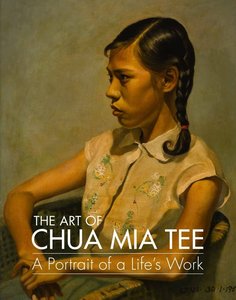
chua mia tee
1931 - , Singapore
Quick Facts
- Artistic Movement Or Style: Social Realism
- Date Of Birth: November 25, 1931
- Full Name: Chua Mia Tee
- Nationality: Singaporean
- Notable Artworks:
- Malay Fisherman at Changi Beach
- National Language Class
- Epic Poem of Malaya
- Place Of Birth: Shantou, Guangdong, China

