 Send
Send Share
Share
 Details

 Download
 Similars
 Diaporama
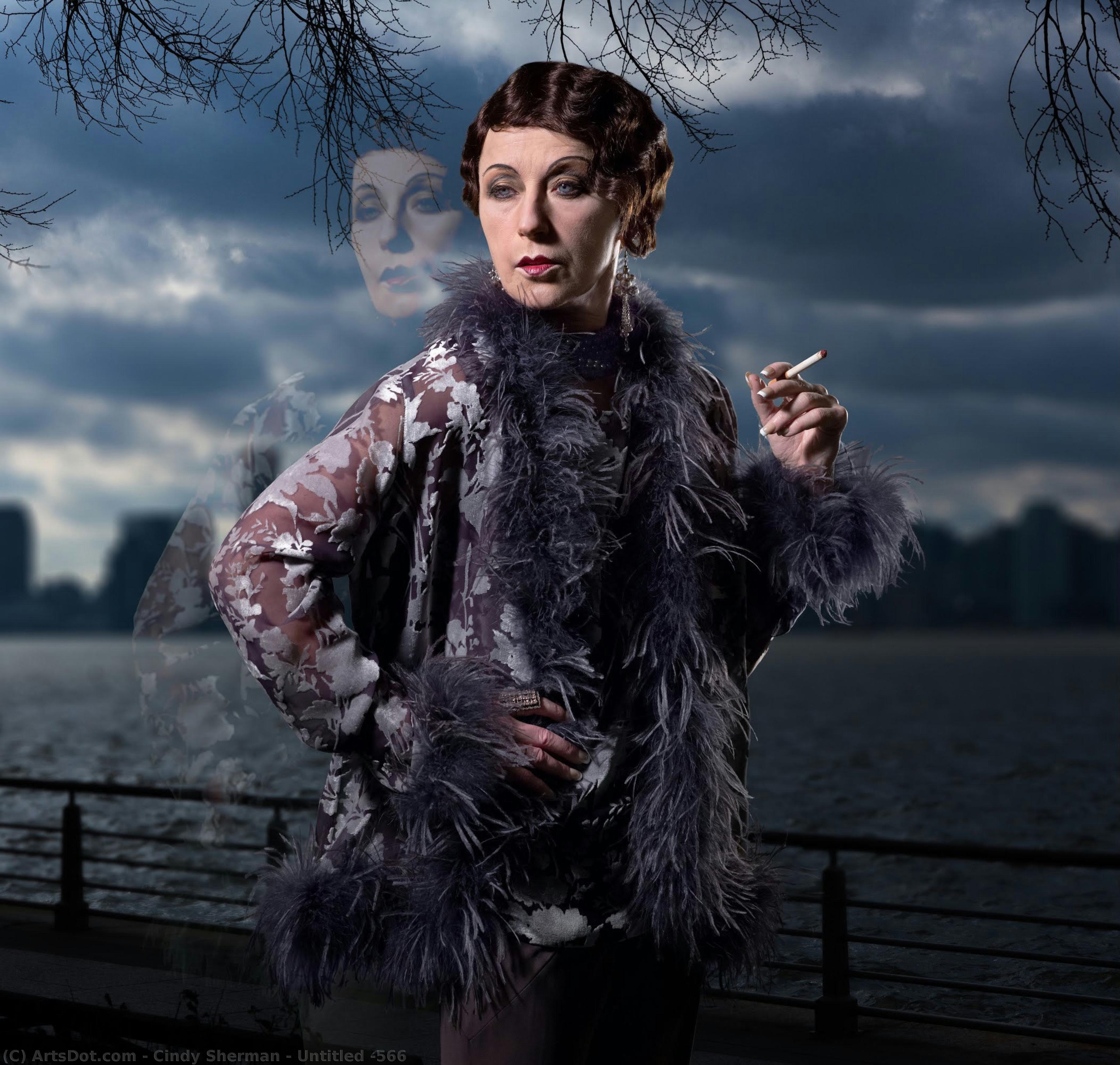
Untitled #566
 Black and White Photography
- Photo
- Contemporary Art
 2016
2016- Contemporary
 121.0 x 128.0 cm
 The Feminist Institute
 Read More
Giclée / Art Print
Museum-quality giclée or canvas print with fast production and flexible finish options. ( Buy Hand Made Painting Buy Image)




































Pick from our preset sizes that match the artwork's original proportions.

You may enter your own dimensions to fit a specific frame or space. If your selected size does not match the original image's proportions, we will either crop the artwork or extend the image with a mirrored or solid-fill edge. A digital mockup will be sent for your approval before production begins.
Please note that the on-screen preview does not reflect the actual cropping or extension. Only the mockup will accurately show the final composition.
While custom sizes are available, we recommend selecting a dimension from the predefined list to preserve the original proportions.
Worldwide Delivery () in 2 weeks instead of standard 4/5 weeks. (18 August)

Free Worldwide Express Shipping

High-Quality Linen Canvas

Full Shipping Insurance

Customs Tax Refund Guarantee

True Color Matching Guarantee

60-Day Return Policy (Defects Only)

100% Money-Back Guarantee

Bulk Discount Offer
 Glass option is only available in size under 110 CM

Untitled #566
Giclée / Art Print
Reproduction Size
-


Total Price
$ 63
Collectible Description
The Cinematic Shadow: Unveiling Cindy Sherman’s Untitled #566
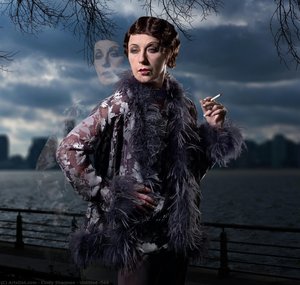
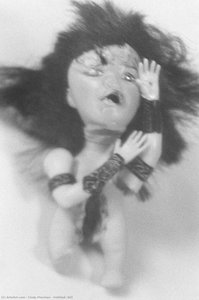
In the evocative realm of Cindy Sherman, the boundary between reality and performance dissolves into a hauntingly beautiful mist. Her work, Untitled #566, captured in 2016, is not merely a photograph but a profound cinematic fragment frozen in time. This black and white masterpiece presents a woman standing upon a pier, her back turned to the viewer as she gazes out toward an unseen horizon, a cigarette held in a moment of quiet contemplation. The starkness of the monochrome palette strips away the superficiality of color, forcing the eye to linger on the textures of her fur coat and the melancholic silhouette that defines her presence. It is an image that breathes with mystery, inviting the observer to step into a narrative that feels both intimately personal and grandly theatrical.
The technique employed here is a masterful exercise in appropriation and persona. Sherman does not seek to capture a portrait of herself; rather, she utilizes her own body as a canvas to inhabit characters drawn from the deep well of cinematic history. In this specific piece, one can sense the spectral presence of Hollywood’s Golden Age, specifically channeling the defiant glamour of icons like Marlene Dietrich. Through meticulous costume design, strategic lighting, and deliberate staging, Sherman constructs an illusion so seamless that the viewer forgets they are looking at a performance. The use of light and shadow creates a psychological depth, where the grain of the photograph serves to amplify the emotional weight of the subject's solitude.
A Dialogue with Identity and History
To understand Untitled #566 is to engage with the broader historical discourse of feminist art. Emerging from a period defined by intense scrutiny of how women are represented in media, Sherman’s work acts as a deconstruction of the "male gaze." By recreating film stills that evoke the archetypes of the femme fatale, she exposes the artificiality of gender roles and the societal pressures placed upon femininity. The pier, a liminal space between land and sea, serves as a powerful symbol for this state of transition—a place where identity is suspended between what is performed and what is true. The presence of distant, blurred figures in the background adds a layer of social complexity, suggesting that even in moments of profound introspection, we are always part of a larger, watching world.
For the discerning collector or interior designer, this piece offers more than just visual elegance; it provides an intellectual anchor for a sophisticated space. The timelessness of the black and white medium ensures that it complements diverse aesthetic environments, from minimalist modern galleries to classic, richly textured studies. A high-quality reproduction of this work brings into a room not just a beautiful image, but a conversation piece that explores themes of memory, nostalgia, and the multifaceted nature of the human soul. It is an invitation to look closer, to question the surface, and to find beauty in the shadows of the unknown.
Related Artworks



Artist Biography
A Deconstruction of Identity: The World of Cindy Sherman
Born in Glen Ridge, New Jersey, in 1954, Cynthia Morris Sherman emerged as a pivotal figure in late 20th and early 21st-century art, not through traditional portraiture, but through its deliberate dismantling. More commonly known as Cindy Sherman, she didn’t seek to capture likeness; instead, she sought to expose the constructed nature of identity itself – how it is formed by media, societal expectations, and the very act of being looked at. Her work isn't about *who* someone is, but rather *how* we perceive them, and the roles we assign based on superficial cues. Growing up in a relatively strict household with an engineer father and a mother who worked with children facing learning difficulties, Sherman’s early life provided a quiet backdrop for a mind that would later become intensely focused on observation and performance. This formative period instilled within her a keen awareness of social dynamics and the subtle pressures of conformity – themes that would permeate her artistic practice.From Painting to Photographic Performance
Sherman’s artistic journey began with painting at Buffalo State University in 1972, but she quickly grew frustrated by what she perceived as the limitations of the medium. It wasn't enough to simply *represent* reality; she wanted to dissect it, to expose its underlying mechanisms. Photography offered her a new language – one that allowed for direct engagement with representation and the manipulation of image. This shift marked a turning point, leading to her groundbreaking series, Bus Riders (1976), where she began experimenting with disguises and characterizations, observing and embodying everyday people on public transportation. However, it was the Untitled Film Stills (1977-1980) that catapulted her to international recognition. This seminal series of 70 black-and-white photographs presented Sherman herself as archetypal female characters lifted directly from the visual vocabulary of B-movies and television. These weren’t recreations, but rather evocations – carefully constructed scenarios that hinted at narratives without ever fully revealing them. Each image felt simultaneously familiar and unsettling, prompting viewers to question their own assumptions about gender roles and cinematic tropes. The series wasn't simply *about* these characters; it was a commentary on the very act of representation, exposing how images shape our understanding of identity.Exploring Archetypes and Societal Roles
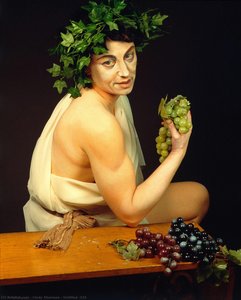
Throughout the 1980s and beyond, Sherman continued to explore the themes of constructed identity and societal expectations through diverse series. Her Centerfolds & Fashion Series directly confronted the objectification of women in media, recreating images reminiscent of magazine spreads with a critical eye. Fairy Tales and Disasters (mid-to-late 1980s) saw her move into more fantastical and grotesque territory, utilizing prosthetics and elaborate makeup to create unsettling imagery that challenged conventional notions of beauty and narrative. The History Portraits (early 1990s) were particularly striking – recreations of historical paintings with subtle but significant alterations, questioning the authenticity and power dynamics inherent in traditional portraiture. She wasn’t simply copying these works; she was interrogating them, exposing their constructed nature and challenging the very notion of artistic “masterpieces.” Later work continued this exploration, often incorporating large-format color photography and digital manipulation to further blur the lines between reality and illusion.Influences and Lasting Legacy
Sherman’s work is deeply rooted in Conceptual Art, prioritizing ideas over traditional artistic skills. She draws heavily from Feminist Theory, engaging with critiques of representation and the male gaze, particularly as articulated by Laura Mulvey in her influential essay “Visual Pleasure and Narrative Cinema.” Mulvey’s concept of "to-be-looked-at-ness" – the objectification of women within cinematic structures – became a central concern in Sherman's work. While pinpointing direct influences is difficult, one can also see echoes of Surrealism in her exploration of the subconscious and the unsettling juxtaposition of images. Her impact on contemporary art has been profound. She’s considered a key figure in the “Pictures Generation,” a group of artists who explored the impact of mass media on culture. Recognition came with prestigious awards like the MacArthur Fellowship (1995), and her photographs are now held by major museums worldwide, including MoMA and the Nelson-Atkins Museum of Art. Cindy Sherman’s innovative approach to self-portraiture has not only redefined the genre but also continues to provoke critical dialogue about identity, representation, and the pervasive power of images in shaping our perceptions of ourselves and the world around us. Her work remains remarkably relevant today, prompting ongoing discussions about authenticity, performance, and the ever-evolving nature of selfhood in a media-saturated society.
Cindy Sherman
1954 - , United States of America
Quick Facts
- Artistic Movement Or Style: Conceptual art, Photography
- Artists Or Movements Influenced By This Artist: ['Pictures Generation']
- Artists Who Influenced This Artist: ['Laura Mulvey']
- Date Of Birth: 1954-01-19
- Full Name: Cindy Sherman
- Nationality: American
- Notable Artworks:
- Untitled Film Stills
- Bus Riders
- Centerfolds
- Fairy Tales
- History Portraits
- Place Of Birth (City And Country): Glen Ridge, USA
Related Articles

Giclée Prints: Archival Quality & Aesthetic Nuances for the Discerning Collector
Explore the world of giclée prints with ArtsDot. Learn about archival quality, aesthetic nuances & investment potential. Expert guidance for discerning art collectors seeking museum-quality reproductions and lasting value.

Dark Masterpieces: 10 Iconic Paintings Dominated by Black Tones |
Explore 10 iconic paintings dominated by black tones, from Rembrandt’s chiaroscuro to Goya's dark expressions. Discover the stories behind these masterpieces & find museum-quality art reproductions for your home at .

The Enduring Legacy of Fine Art Prints: Technique, History & Aesthetic Impact
Explore the rich history & techniques of fine art prints. Discover investment potential, assess authenticity, and learn how to preserve your collection with expert guidance. Trusted insights for discerning collectors.

Ivory Black Masters: 10 Paintings That Define Dramatic Art |
Delve into the power of 'Ivory Black' with 10 iconic paintings by masters like Rembrandt & Caravaggio. Explore dramatic chiaroscuro, gothic moods & timeless art history. Find museum-quality reproductions and elevate your home decor at

Echoes of Time: Exploring the Enduring Appeal & Historical Context of Vintage Art Prints
Explore the captivating world of vintage art prints! Discover their history, collecting tips & enduring appeal. Expert insights on chromolithography and building a legacy collection with ArtsDot.