 Preview
 Send
Send Share
Share
 Details

 Download
 Similars
 X-Ray
X-Ray Diaporama
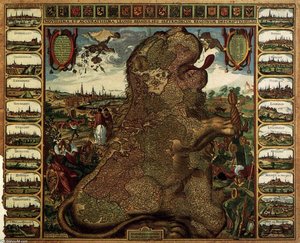
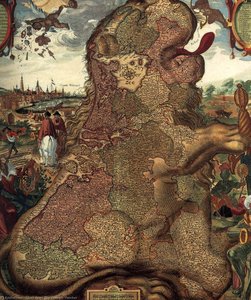
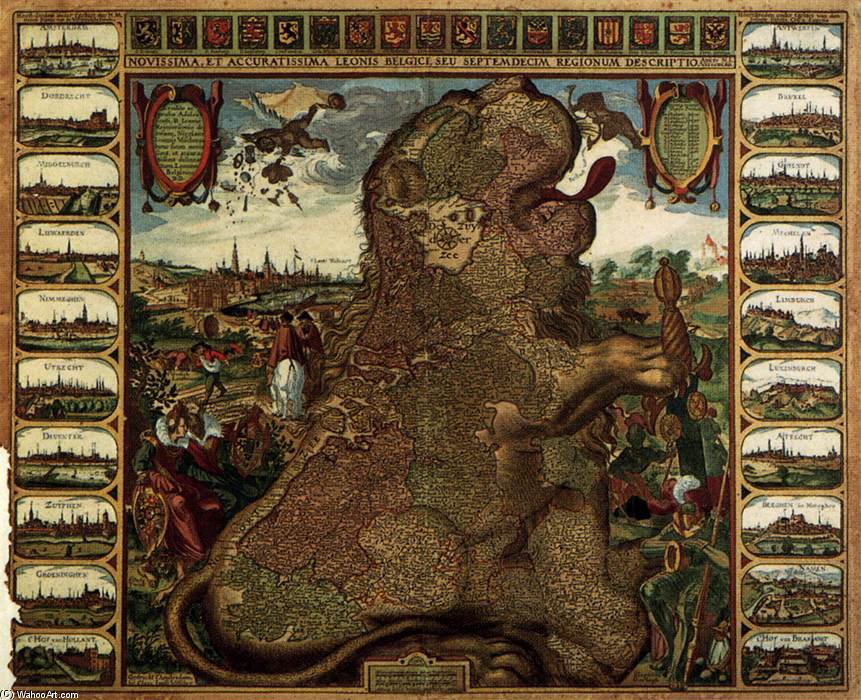
Lion Map (leo Belgicus)
 Read More
Hand Made Oil Reproduction
Hand-painted oil on canvas in your size and frame, made to order by our artists. ( Buy Print Buy Image)




































Pick from our preset sizes that match the artwork's original proportions.

You may enter your own dimensions to fit a specific frame or space. If your selected size does not match the original image's proportions, we will either crop the artwork or extend the painting with additional hand-painted elements. A digital mockup will be sent for your approval before production begins.
Please note that the on-screen preview does not reflect the actual cropping or extension. Only the mockup will accurately show the final composition.
While custom sizes are available, we recommend selecting a dimension from the predefined list to preserve the original proportions.
After order, ArtsDot.com team will email client for instructions and provide a mockup preview
Worldwide Delivery () in 3/4 weeks instead of standard 5 weeks. (24 August). No compromise on quality.

Free Worldwide Express Shipping

High-Quality Linen Canvas

Full Shipping Insurance

Customs Tax Refund Guarantee

True Color Matching Guarantee

60-Day Return Policy (Defects Only)

100% Money-Back Guarantee

Bulk Discount Offer
 Glass option is only available in size under 110 CM

Lion Map (leo Belgicus)
Reproduction Medium
Reproduction Size
-


Total Price
$ 263
Related Artworks
Artist Biography
Claes Jansz. the Younger Visscher: Cartographer of a Golden Age
The name Claes Jansz. Visscher, particularly in his younger years, might seem somewhat understated amidst the grand narratives of 17th-century Dutch art and commerce. Yet, this Amsterdam mapmaker and print publisher quietly exerted an immense influence on the visual landscape of his time, becoming a pivotal figure in shaping both the practical realities of navigation and the aesthetic sensibilities of a burgeoning republic. Born in Amsterdam around 1587, Visscher’s career unfolded during the Dutch Golden Age – a period of unprecedented prosperity, artistic innovation, and intellectual ferment – and he became inextricably linked to its defining characteristics. While often overshadowed by his more famous contemporaries like Rembrandt and Vermeer, Visscher's meticulous cartography and sophisticated landscape prints offer a unique window into the world as it was perceived and represented during this transformative era.
Visscher’s early life remains somewhat shrouded in mystery, though records indicate he apprenticed under his father, Jan Jansz. Visscher, a successful mapmaker himself. This foundational training instilled within him not only technical proficiency but also a deep understanding of the burgeoning field of cartography – a discipline rapidly evolving with advancements in surveying and navigation. Crucially, however, Visscher’s ambitions extended far beyond mere topographical accuracy. He quickly recognized the potential for maps to be transformed into works of art, imbuing them with a level of detail and aesthetic appeal previously unseen. This marked a significant shift within the cartographic world, elevating it from a purely functional tool to a sophisticated form of visual communication.
The Rise of a Print Publishing Dynasty
In 1611, Claes Jansz. Visscher established his own print shop in Amsterdam, initially on Kalverstraat – a bustling thoroughfare that served as the city’s commercial heart. This marked the beginning of what would become a remarkably successful and enduring family enterprise. Visscher's initial output focused heavily on maps, catering to the needs of merchants, sailors, and government officials who relied upon accurate navigational charts for their trade and exploration endeavors. However, he quickly diversified his offerings, embracing a wider range of subjects including newsprints (providing timely updates on current events), ornamental prints (decorative designs for interiors), animal studies – often rendered with astonishing realism – and, perhaps most notably, the “Picture Bible” – a lavishly illustrated edition of the Bible that became immensely popular throughout Europe.
The success of Visscher’s print shop was not solely attributable to his artistic talent; it also stemmed from astute business acumen. He cultivated a vast network of contacts, establishing relationships with engravers, publishers, and dealers across Europe. Furthermore, he employed a team of skilled draftsmen and engravers, including his son, Nicolaes Jansz. Visscher, who would later inherit the family business and continue to expand its reach. This collaborative approach ensured a consistent output of high-quality prints, solidifying Visscher’s reputation as one of the leading print publishers in the Netherlands.
Mapping the Nation: Cartography and National Identity
Visscher's most enduring legacy lies undoubtedly in his maps. His meticulous renderings of the Dutch Republic – including detailed depictions of its provinces, cities, rivers, and coastlines – played a crucial role in shaping national identity during a period of significant political and social change. These weren’t simply navigational charts; they were carefully constructed representations of the nation, imbued with a sense of civic pride and territorial authority. His “Leo Belgicus” (Lion Map), created around 1645, is perhaps his most famous work – a stunningly detailed map of Belgium that served as both a practical guide for travelers and a potent symbol of Dutch power and influence in the region.
Visscher’s cartographic style was characterized by its remarkable precision, artistic flair, and innovative use of color. He employed a sophisticated palette – often incorporating vibrant hues of red, blue, and green – to distinguish different geographical features and create a visually engaging representation of the landscape. Furthermore, he incorporated elaborate decorative elements into his maps, such as coats of arms, heraldic symbols, and allegorical figures, further enhancing their aesthetic appeal.
Landscape Prints: A New Genre Emerges
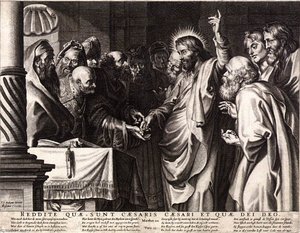
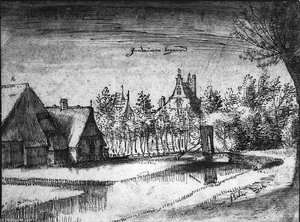
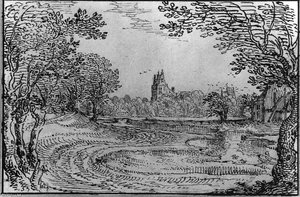
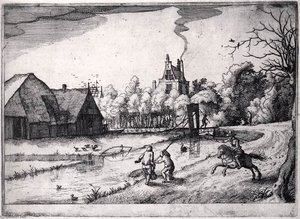
Beyond his cartographic achievements, Visscher made a significant contribution to the development of landscape printing. While earlier artists had occasionally depicted scenes of nature, Visscher’s prints – such as “Tribute Money” (1643) and various depictions of Dutch windmills and pastoral landscapes – represented a new level of artistic sophistication. He skillfully captured the atmospheric effects of light and shadow, rendering the textures of trees, fields, and water with remarkable realism. His landscape prints were not merely decorative; they offered viewers a glimpse into the beauty and tranquility of the Dutch countryside – a subject that resonated deeply with a population increasingly aware of its own natural heritage.
Visscher’s work reflects the broader artistic trends of the Dutch Golden Age, characterized by a fascination with observation, detail, and the representation of everyday life. His maps and landscape prints provide invaluable insights into the visual culture of his time, offering a compelling testament to the ingenuity, artistry, and ambition of this remarkable artist and print publisher.
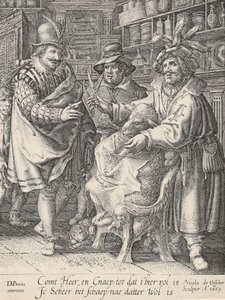
claes jansz the younger visscher
1587 - 1652 , Netherlands
Quick Facts
- Artistic Movement Or Style: Golden Age cartography
- Artists Or Movements Influenced By This Artist: ['Visscher family']
- Artists Who Influenced This Artist: ['Jan Saenredam']
- Date Of Birth: 1587, Amsterdam
- Date Of Death: 1652, Amsterdam
- Full Name: Claes Jansz. the Younger Visscher
- Nationality: Dutch
- Notable Artworks:
- Lion Map (leo Belgicus)
- Tribute Money
- Place Of Birth: Amsterdam, Netherlands