 Preview
 Send
Send Share
Share
 Details

 Download
 Similars
 X-Ray
X-Ray Diaporama
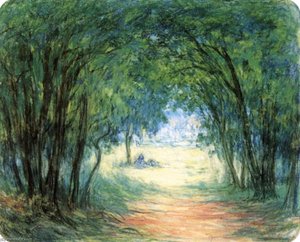
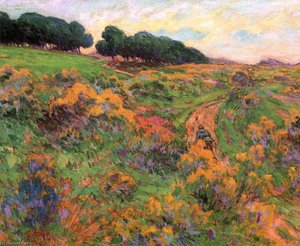
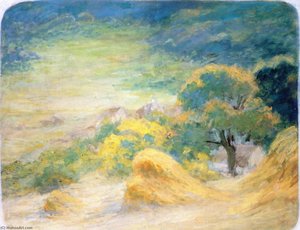
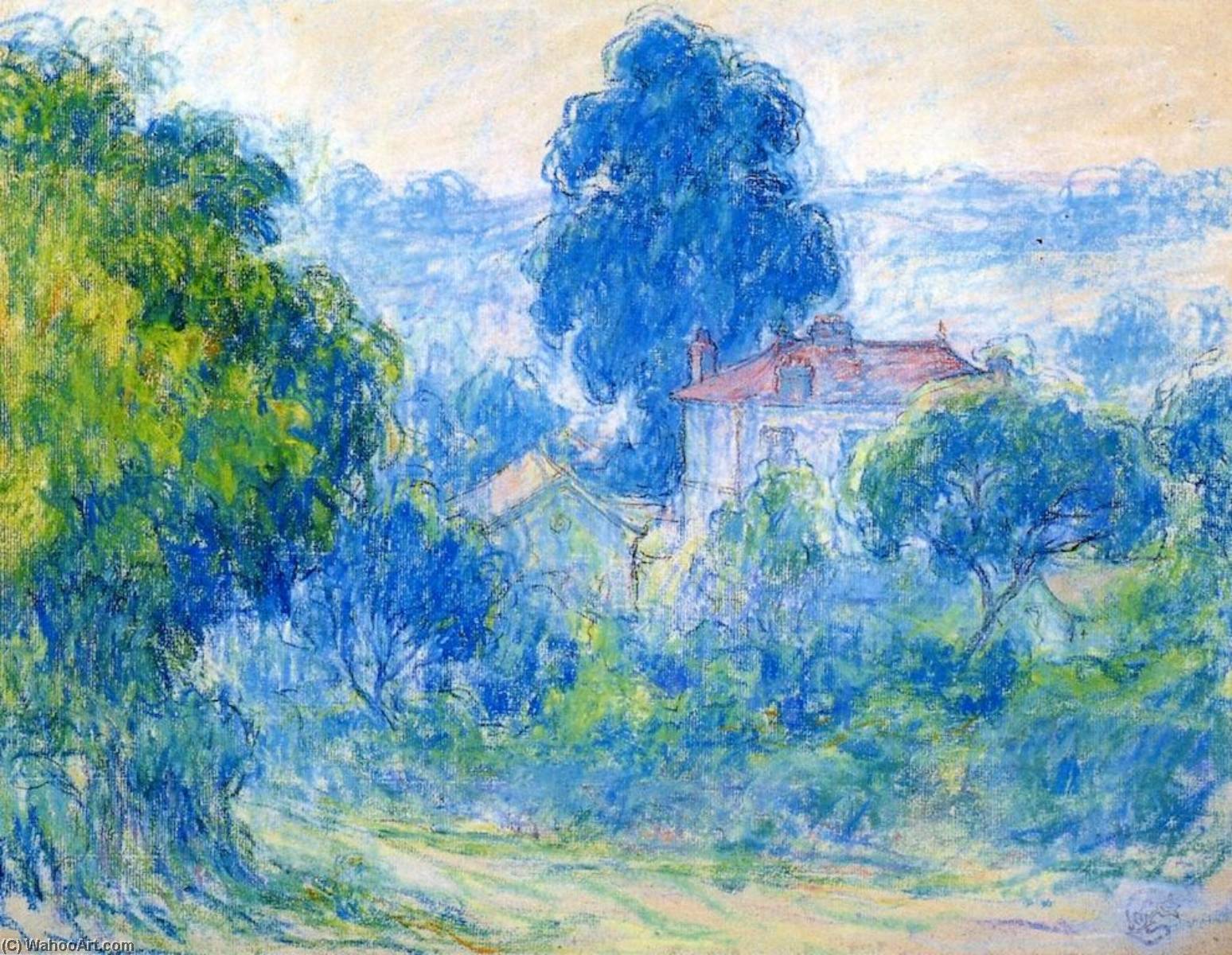
Near Meudon
 1890
1890 37.0 x 47.0 cm
 Read More
Hand Made Oil Reproduction
Hand-painted oil on canvas in your size and frame, made to order by our artists. ( Buy Print Buy Image)




































Pick from our preset sizes that match the artwork's original proportions.

You may enter your own dimensions to fit a specific frame or space. If your selected size does not match the original image's proportions, we will either crop the artwork or extend the painting with additional hand-painted elements. A digital mockup will be sent for your approval before production begins.
Please note that the on-screen preview does not reflect the actual cropping or extension. Only the mockup will accurately show the final composition.
While custom sizes are available, we recommend selecting a dimension from the predefined list to preserve the original proportions.
After order, ArtsDot.com team will email client for instructions and provide a mockup preview
Worldwide Delivery () in 3/4 weeks instead of standard 5 weeks. (17 August). No compromise on quality.

Free Worldwide Express Shipping

High-Quality Linen Canvas

Full Shipping Insurance

Customs Tax Refund Guarantee

True Color Matching Guarantee

60-Day Return Policy (Defects Only)

100% Money-Back Guarantee

Bulk Discount Offer
 Glass option is only available in size under 110 CM

Near Meudon
Reproduction Medium
Reproduction Size
-


Total Price
$ 263
Artwork Description
The Artist's Inspiration
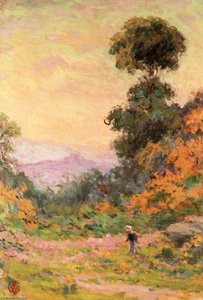
Schuffenecker was inspired by the landscapes of Meudon, a southwestern suburb of Paris. He often took advantage of recently constructed train lines to travel outside the city and record rural landscapes. His use of pastel sticks allowed him to sketch outdoors, producing studies that he later developed into finished works in his studio.Style and Technique
Schuffenecker's style was influenced by Georges Seurat and the Neo-Impressionist movement. He used complementary colors to increase their intensity, choosing textured paper to further this impact. The shimmering result is grounded by massive lichen-covered rocks in the foreground, evoking ancient monumental stones in the area and giving the drawing a sense of timelessness.- Schuffenecker's most accomplished works were characterized by a vibrant and unique palette of pinks, lilacs, blues, purples, and light greens.
- His approach was described as creating works of sheer joy, with a perpetually agitated soul that brought back artistic themes as subtle as the dazzling, impulsive divine force.
For more information on Claude Emil Schuffenecker and his works, visit the ArtsDot.com webpage dedicated to his art. Discover the beauty of Post-Impressionism and the captivating landscapes of Near Meudon.
Related Artworks
Artist Biography
Claude Emil Schuffenecker: A Forgotten Pioneer of Impressionism and Van Gogh’s Patron
Émile Schuffenecker (1851-1934) remains a curiously elusive figure in the annals of French art history—a Post-Impressionist painter whose talent was overshadowed by controversy surrounding accusations of forgery and whose legacy has been largely neglected. Yet, beneath the veneer of scandal lies an artist who possessed considerable vision and played a pivotal role in shaping the artistic landscape of his time, particularly through his fervent admiration for Vincent van Gogh and his instrumental involvement in establishing the Volpini Exhibition. This article delves into Schuffenecker’s life, artistic endeavors, influences, and enduring significance, striving to illuminate a portrait beyond the shadow of suspicion.Early Life and Artistic Formation
Born in Frèsne Saint-Mamès (Haute-Saône) to Nicolas Schuffenecker, a tailor hailing from Guewenheim (Alsace), Émile’s childhood was marked by tragedy when his father succumbed to tuberculosis shortly after his birth. His mother remarried, relocating to Meudon, near Paris, where she found employment at a laundry and fostered connections with her maternal family. Educated by the frères des écoles chrétiennes, Schuffenecker embarked on a career path that intertwined commerce and artistic pursuits—working initially in his uncle’s chocolate and coffee-roasting facility before securing a position at Bertin, the prestigious Parisian broker. It was here he forged an enduring friendship with Paul Gauguin, sharing a passion for studying Old Masters at the Louvre and honing their skills at the Académie Colarossi. This formative period instilled in Schuffenecker a profound appreciation for Impressionist aesthetics and established him as a key figure within the bohemian circles of Paris.The Influence of Gauguin and Van Gogh
Schuffenecker’s artistic sensibilities were decisively shaped by his relationship with Gauguin, whose bold experimentation with color and form served as an inspiration. However, Schuffenecker's gaze was particularly captivated by Vincent van Gogh—a fascination that extended beyond mere admiration for stylistic innovation. He became one of the earliest collectors of Van Gogh’s paintings, demonstrating a genuine enthusiasm for the artist’s expressive vision and unwavering commitment to capturing the essence of nature. This devotion fueled his own artistic explorations, resulting in landscapes imbued with atmospheric haze and luminous color palettes—a direct reflection of Van Gogh's groundbreaking techniques.The Volpini Exhibition and Artistic Recognition
Schuffenecker achieved considerable renown through his involvement in organizing the Volpini Exhibition of 1889, a landmark event celebrating Impressionism and Post-Impressionism. He served as a crucial advisor to Gauguin and championed the inclusion of Van Gogh’s works—a testament to his conviction in the transformative power of artistic dialogue. The exhibition solidified Schuffenecker's reputation as a connoisseur and promoter of avant-garde art, attracting considerable public attention and bolstering his standing within the Parisian art community.Controversy Surrounding Authenticity
Despite his contributions to Impressionist scholarship and his unwavering admiration for Van Gogh, Schuffenecker’s artistic career was plagued by persistent controversy stemming from allegations of forgery—accusations that resurfaced periodically throughout his lifetime and continue to fuel debate among historians. While conclusive evidence supporting these claims remains elusive, the shadow of suspicion has undeniably tarnished Schuffenecker's legacy, hindering a comprehensive assessment of his artistic achievements. Scholarly research has nonetheless begun to unravel the complexities of Schuffenecker’s life and oeuvre, offering a more nuanced understanding of his artistic trajectory and challenging simplistic interpretations of his work.Concluding Reflections
Claude Emil Schuffenecker’s art deserves renewed attention—a reconsideration of his landscapes as expressions of Impressionist ideals and a deeper appreciation for his role in fostering the burgeoning relationship between Gauguin and Van Gogh. By disentangling myth from fact, careful study can illuminate Schuffenecker's contribution to the artistic heritage of France and reaffirm his place among the pioneers of modern painting.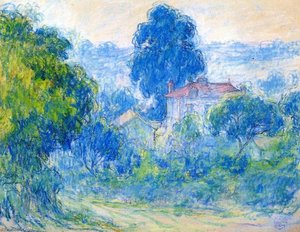
claude emil schuffenecker
1851 - 1934
Quick Facts
- Artistic Movement Or Style: Post-Impressionism
- Artists Or Movements Influenced By This Artist: ['Vincent van Gogh']
- Artists Who Influenced This Artist: ['Paul Gauguin']
- Date Of Birth: December 8, 1851
- Date Of Death: July 31, 1934
- Full Name: Claude Emil Schuffenecker
- Nationality: French
- Notable Artworks:
- The Luxembourg Parc
- Paysage Landscape
- Place Of Birth: Fresne Saint-Mamès (Haute-Saône)