

 Preview
 Send
Send Share
Share
 Details

 Download
 Similars
 X-Ray
X-Ray Diaporama
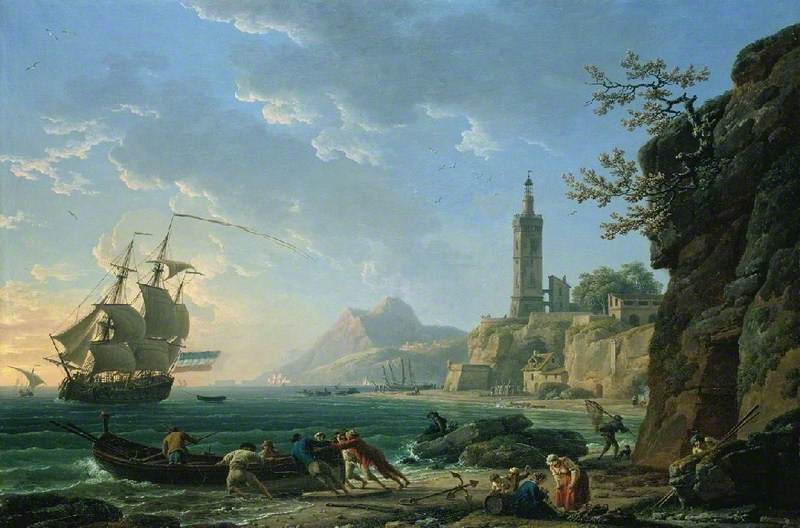
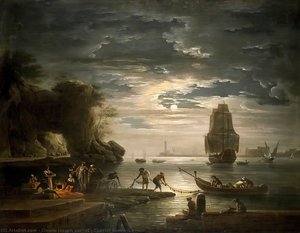
A Coastal Mediterranean Landscape with a Dutch Merchantman in a Bay
 Acrylic On Canvas
- WallArt
- Dutch Golden Age
 1769
1769 87.0 x 130.0 cm
 Fitzwilliam College
 Read More
Purchase a high-resolution, enhanced digital image, far superior to the online preview.
Each file is meticulously prepared by our in-house specialists using advanced tools and expert manual retouching. We ensure every image has exceptional clarity, precise color accuracy, and fine detail.
The final file is delivered via email within 72 hours, optimized for immediate use in professional, editorial, and print environments. This is the same quality trusted by top-tier design studios, publishers, and galleries.
Digital Image
Download a high-resolution file for personal display, printing, and creative projects. ( Buy Print Buy Hand Made Painting)
Included in Every Digital Image Order
Expert Digital Delivery, Guaranteed
When you choose ArtsDot.com, you're not just getting an image - you're receiving a professionally enhanced digital artwork, crafted with precision and backed by a satisfaction guarantee. Here's everything that comes with your order, automatically:

Fast Email Delivery
Your high-resolution digital image file will be emailed to you within 72 hours of ordering - ready for immediate use.

AI-Enhanced Digital File
Your artwork is professionally optimized using advanced AI tools and manual editing, ensuring maximum detail, clarity, and color accuracy.

Free Lifetime Re-Delivery
Accidentally deleted or lost your file? No worries - we'll resend it to you anytime, free of charge.

No Import Fees - Ever
Enjoy your artwork instantly with zero customs, duties, or delivery fees - digital downloads are always tax-free.

Color Accuracy Guarantee
We ensure your digital image reflects the original colors as closely as possible using professional tools and color management.

60-Day Satisfaction Guarantee
If you're not satisfied with your digital image, we'll revise it or refund 100% within 60 days - no questions asked.

100% Money-Back Guarantee
Not satisfied? Get a full refund within 60 days of receiving your digital file - no questions asked.

Bulk Order Discounts
Buy 3 images, save 10% - Buy 5, save 15% - Buy 10+, save 20%. Great for creative projects, galleries, and agencies.
Collectible Description
A Coastal Mediterranean Landscape – A Window into Vernet’s World
Claude-Joseph Vernet's “A Coastal Mediterranean Landscape with a Dutch Merchantman in a Bay” (1769) isn’t merely a depiction of a seascape; it’s a carefully constructed tableau brimming with the spirit of the Enlightenment and a profound understanding of light, movement, and human interaction within nature. Painted during a pivotal moment in French art history – bridging the Rococo elegance of the previous century with the burgeoning Neoclassicism – this work encapsulates Vernet's signature style: an atmospheric realism infused with a dynamic energy that captures both the grandeur and the subtle drama of the Mediterranean coast. The scene unfolds within a hazy, almost dreamlike quality, achieved through a masterful manipulation of color and brushstroke. Notice how Vernet doesn’t strive for photographic accuracy; instead, he employs loose, expressive strokes to convey the feeling of wind-swept waves and the shimmering heat haze above the water. This deliberate ambiguity invites the viewer into the scene, fostering a sense of intimate observation alongside a broader appreciation for the vastness of the sea.The Dutch Merchantman – A Symbol of Trade and Adventure
At the heart of the composition lies a Dutch merchantman, proudly sailing through the bay. This vessel isn’t simply a ship; it's a potent symbol of the burgeoning maritime trade that fueled France’s economic prosperity during the 18th century. Vernet, keenly aware of this historical context, imbues the ship with a sense of purposeful movement and confident navigation. The figures aboard – identifiable as sailors engaged in their daily routines – are rendered with remarkable detail, suggesting a vibrant community connected to the sea. Their presence adds a crucial layer of human interest to the landscape, reminding us that even the most sublime natural scenes are inextricably linked to human activity and ambition. The ship’s position within the bay also subtly reinforces the theme of trade; it's not merely sailing for pleasure but actively engaged in commerce, connecting distant lands and cultures.Vernet’s Technique – Light, Atmosphere, and Observation
Vernet’s technical prowess is immediately apparent in his treatment of light and atmosphere. He masterfully utilizes a technique known as *sfumato*, borrowed from the Renaissance masters, to create a sense of depth and distance. The hazy outlines of the coastline, the shimmering reflections on the water, and the subtle gradations of color all contribute to this atmospheric effect. Crucially, Vernet was an avid observer of nature, spending considerable time studying marine life – particularly whales – which profoundly influenced his artistic vision. This dedication to direct observation is evident in the realistic depiction of the waves, the rigging of the ship, and even the subtle details of the figures on board. He wasn’t simply painting what he *saw*, but what he *felt*—the power and unpredictability of the sea. The loose brushwork, characteristic of his style, allows for a sense of spontaneity and immediacy, as if capturing a fleeting moment in time.A Legacy of Maritime Light – Vernet’s Influence
Claude-Joseph Vernet's work represents a significant shift in the portrayal of maritime scenes within art history. Prior to his era, ships were often depicted as imposing symbols of power or as static elements within grand landscapes. Vernet, however, elevates the sea itself to a central role, emphasizing its dynamic qualities and its profound impact on human life. His influence extended far beyond his own lifetime, inspiring generations of artists who sought to capture the beauty and drama of the natural world. The meticulous attention to detail in capturing light and movement, combined with a keen awareness of historical context, cemented Vernet’s place as a master of maritime art – a painter who truly understood how to translate the essence of the sea onto canvas. Reproductions like this offer a remarkable opportunity to experience the captivating vision of one of France's most celebrated artists.Related Artworks

Artist Biography
A Master of Maritime Light: The Life and Art of Claude-Joseph Vernet
Claude-Joseph Vernet, born in Bordeaux in 1714, wasn’t initially destined for the grand landscapes and dramatic seascapes that would define his legacy. His earliest artistic inclinations revealed a fascination with horses—a passion evident even in childhood, sketching these noble creatures from the tender age of five. This early devotion to animal anatomy, particularly equine form, would subtly inform his later work, lending a dynamic energy and realism to figures within broader compositions. Vernet’s formal training began under his father, Antoine Vernet, a decorative painter, and Nicolas-Bernard Lépicié, providing him with a solid academic foundation before he ventured towards the artistic heart of Europe: Rome. It was in Italy that Vernet truly discovered his calling, captivated not only by classical landscapes but also by the raw power and beauty of the sea. The sight of whales off the coast of Marseille proved pivotal, igniting a lifelong obsession with maritime subjects.From Roman Studies to Royal Commissions
Vernet’s time in Rome wasn't merely about replicating existing styles; it was an immersive study of light, atmosphere, and the interplay between humanity and nature. He absorbed influences from masters like Claude Lorrain and Salvator Rosa, blending their approaches into a uniquely personal vision. While Lorrain offered idealized serenity, Rosa provided dramatic intensity—Vernet skillfully synthesized these elements, creating scenes that were both visually stunning and emotionally resonant. Upon his return to France in 1753, Vernet’s talent quickly gained recognition. A pivotal moment arrived with a commission from Louis XV to paint a series of views of French seaports. This ambitious project—eventually encompassing fifteen paintings—established Vernet as the premier marine painter of his time. These weren't simply topographical records; they were evocative portrayals of national pride, showcasing France’s maritime power and its connection to the sea. Intérieur du port de Marseille (1754), for example, isn’t just a depiction of a bustling harbor—it’s an ode to commerce, industry, and the vibrant lifeblood of the city.A Legacy Forged in Light and Tempest
Vernet's artistic skill lay not only in his precise rendering of ships and harbors but also in his masterful handling of light and atmosphere. He understood how sunlight glinted off water, how clouds gathered before a storm, and how these elements could dramatically alter the mood of a scene. His paintings often feature dramatic skies, turbulent waters, and figures caught in moments of both peril and resilience. A View of the Port of Naples with Mount Vesuvius in the Background (1774), exemplifies this talent—the imposing presence of Vesuvius looms over the bustling port, a reminder of nature’s power while simultaneously highlighting human activity. This ability to balance grandeur and intimacy is a hallmark of his work. Beyond maritime scenes, Vernet also explored landscapes and hunting subjects, always maintaining a keen eye for detail and an understanding of animal anatomy—a skill honed in his youth.Family, Influence, and Enduring Significance
The artistic lineage continued with Vernet’s son, Antoine Charles Horace Vernet (also known as Carle Vernet), who followed in his father's footsteps, achieving renown for his own dynamic battle scenes and hunting art. This familial connection underscores the importance of tradition and mentorship within the French artistic community of the 18th century. Claude-Joseph Vernet’s influence extended beyond his immediate family; he helped to elevate landscape painting to a position of prominence in French art. His work paved the way for later generations of artists, inspiring them to explore the beauty and power of the natural world. Though he passed away in 1789, on the cusp of revolutionary change, Vernet’s legacy endures. His paintings continue to captivate viewers with their atmospheric depth, technical brilliance, and evocative storytelling—a testament to a life dedicated to capturing the essence of light, sea, and the human spirit.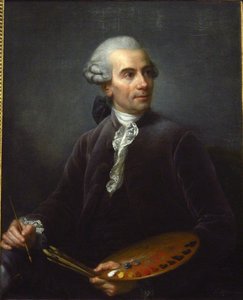
Claude-Joseph Vernet
1714 - 1789 , France
Quick Facts
- Artistic Movement Or Style: Landscape, Seascape
- Artists Or Movements Influenced By This Artist: ['Antoine Charles Horace Vernet']
- Artists Who Influenced This Artist:
- Claude Lorrain
- Bernardino Fergioni
- Date Of Birth: August 14, 1714
- Date Of Death: 1789
- Full Name: Claude-Joseph Vernet
- Nationality: French
- Notable Artworks:
- Intérieur du port de Marseille
- A view of the port of Naples
- Place Of Birth: Bordeaux, France

